
While you might think the differences between vinyl tiles and laminate floors are minimal, choosing the right one can have a notable impact on your home’s aesthetics and functionality. You’re faced with two highly durable, cost-effective options, each boasting its unique set of benefits and challenges.
Vinyl tiles offer unparalleled water resistance, making them ideal for kitchens and bathrooms, whereas laminate floors can bring a warm, authentic wood look to your living spaces without breaking the bank. But before you make a decision, consider the nuances of durability, maintenance, cost, and design options.
Uncovering these aspects will guide you to the best flooring choice for your lifestyle and home.
Key Takeaways
– Laminate floors are more cost-effective upfront but vinyl tiles offer better long-term durability and water resistance.
– Both flooring options provide a wide range of design choices, mimicking natural materials with high realism.
– Vinyl tiles have lower installation costs and are easier to maintain, making them a practical choice for areas with moisture.
– Laminate flooring is preferred for its scratch, impact, and stain resistance, offering a budget-friendly alternative to hardwood.
Understanding Vinyl Tiles
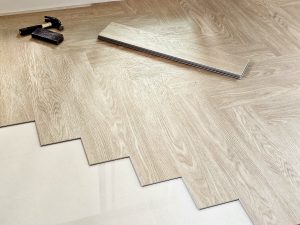
Vinyl tiles, known for their durability and versatility, offer a practical flooring solution that’s easy to install and maintain. The installation process begins with preparing the subfloor, ensuring it’s clean, dry, and level. You’ll then measure the area, cut the tiles to fit, and adhere them using either a self-stick adhesive backing or a separate adhesive spread on the subfloor. This process allows for a quick transformation of any room with minimal downtime.
It’s important to take into account the environmental impact of vinyl tiles. They’re primarily made from polyvinyl chloride (PVC), which requires significant energy and resources to produce. The manufacturing process also emits harmful chemicals, contributing to air pollution and potential health risks. However, advancements in recycling technologies have made it possible to recycle old vinyl flooring, reducing its environmental footprint. When selecting vinyl tiles, look for products that contain recycled materials and have certifications from reputable environmental organisations.
Exploring Laminate Floors
Shifting focus to laminate floors, it’s worth noting that this option presents an attractive, cost-effective alternative for those seeking the appearance of hardwood without the extensive maintenance or higher price tag. Laminate flooring is engineered to provide an aesthetic appeal along with functional durability, striking a balance between style and practicality.
When considering laminate floors for your home, here are four key points to keep in mind:
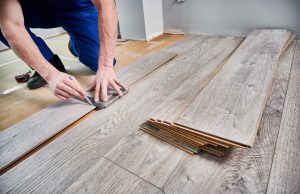
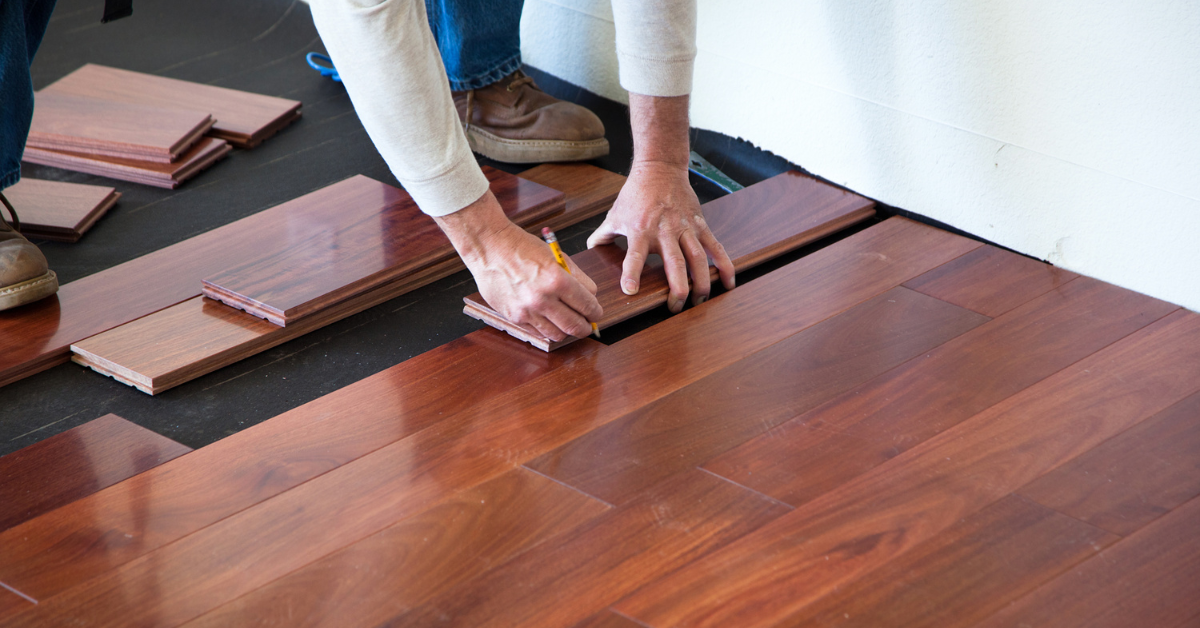
- Installation Process: Laminate floors are renowned for their ease of installation. The planks are designed to interlock, making the installation process quicker and accessible to DIY enthusiasts. This feature reduces the time and cost involved in laying out your new flooring.
- Environmental Impact: Laminate flooring is often praised for its environmental benefits. The core layer is usually made of compressed fiberboard, a material that incorporates recycled wood fibres, contributing to waste reduction.
- Cost-Effectiveness: Comparing the cost to traditional hardwood, laminate offers a substantial saving. This makes it an appealing choice for those who love the wooden aesthetic but are on a tighter budget.
- Aesthetic Versatility: With advancements in printing and manufacturing technologies, laminate floors now offer a wide range of textures and colours, closely mimicking the natural variations found in real wood.
Durability and Maintenance
When considering the longevity of your flooring, it’s important to remember that laminate floors are designed to withstand considerable wear and tear, making them a durable option for high-traffic areas. Enhanced with a tough exterior layer and a resin coating, laminate effectively resists scratches, impacts, and stains. However, it’s important to remember that laminate’s Achilles’ heel is moisture. Despite advancements in water resistance, laminate floors can’t be fully immersed in water or left damp for prolonged periods, which might limit their use in bathrooms or basements without additional protective measures.
On the other hand, vinyl tiles offer exceptional water resistance, making them an ideal choice for areas prone to spills and moisture. The composition of vinyl tiles allows them to withstand prolonged exposure to water without warping or swelling, granting them a significant advantage in durability in specific environments.
Both flooring options boast installation ease, with laminate and vinyl tiles designed for quick and straightforward laying, often featuring a click-together mechanism that eliminates the need for glue or nails. This installation ease, combined with their respective durability traits, makes both laminate floors and vinyl tiles practical choices, depending on the specific requirements of your space.
Cost Comparison
Moving beyond durability and installation convenience, it’s necessary to examine how laminate floors and vinyl tiles stack up regarding cost to help you make an informed decision for your space. When considering the financial implications of your flooring choice, it’s essential to factor in not just the purchase price but also the long-term value, including aspects such as installation speed and environmental impact.
Here’s a breakdown to guide you:
- Initial Cost: Generally, laminate floors are known to be more cost-effective upfront compared to vinyl tiles. However, prices can vary based on quality and design.
- Installation Costs: Vinyl tiles often boast a faster installation process, potentially lowering labour costs. Laminate floors, while also DIY-friendly, might take slightly longer to install, influencing the overall cost.
- Maintenance and Durability: Over time, the cost benefits of choosing a more durable option like vinyl can accumulate, given its resistance to moisture and high traffic. Laminate, while durable, may require more care or replacement sooner.
- Environmental Impact: Considering the environmental impact, laminate floors often have a higher footprint due to their composition and disposal challenges, which mightn’t translate directly to costs but is vital for eco-conscious decision-making.
Aesthetic and Design Options
Beyond cost and durability, the aesthetic appeal and design versatility of your flooring play an essential role in the overall ambiance of your space. Both vinyl tiles and laminate floors offer a wide array of aesthetic options, including current colour trends and pattern variety, to fit virtually any decor style.
Vinyl tiles excel in replicating natural materials such as wood and stone due to their photographic print layer. This allows for a high degree of realism in textures and hues, aligning with the latest colour trends and providing a broad spectrum of design choices. Their ability to mimic high-end materials at a fraction of the cost makes them a popular choice for those seeking luxury on a budget.
Laminate floors, on the other hand, boast an extensive pattern variety. They offer not only wood and stone mimicry but also unique and abstract designs not typically found in natural materials. The manufacturing process of laminate flooring allows for crisp, clear visuals that can enhance the depth and richness of your space’s design.
Both options present a compelling case for homeowners looking to balance aesthetic desires with practical considerations. Whether your priority is achieving a specific style or staying ahead of design trends, vinyl tiles and laminate floors provide ample opportunity to customise your living environment.
Frequently Asked Questions
How Do Vinyl Tiles and Laminate Floors Affect Indoor Air Quality and Are They Safe for Homes With Allergy Sufferers?
Both vinyl tiles and laminate floors emit low volatile organic compounds (VOCs), making them generally safe for allergy sufferers. They offer design versatility, but consider installation costs and the specific product’s VOC emissions.
Can Either Vinyl Tiles or Laminate Floors Be Safely Installed in Homes With Radiant Floor Heating Systems Without Affecting Their Functionality or Lifespan?
Wondering if you can mix radiant heating with your floors? Both vinyl tiles and laminate can be installed, but consider installation costs and warranty comparisons for peace of mind. They won’t compromise functionality or lifespan.
What Are the Environmental Impacts of Manufacturing and Disposing of Vinyl Tiles and Laminate Floors, and Are There Any Eco-Friendly Options Available?
You’re exploring the environmental impacts of vinyl tiles and laminate floors. Both have issues but recycling initiatives and sustainable sourcing offer eco-friendly options. Look for products that prioritise these practices to reduce your carbon footprint.
How Do Vinyl Tiles and Laminate Floors Respond to Extreme Humidity and Temperature Changes, Especially in Regions With Tropical Climates or Harsh Winters?
Facing the elements, vinyl tiles outshine laminate in humidity and extreme temperatures, offering greater design versatility and lower installation costs. However, laminate struggles in such climates, potentially warping or becoming damaged over time.
What Are the Recommended Cleaning Agents and Tools for Vinyl Tiles and Laminate Floors to Prevent Damage While Ensuring Thorough Cleaning, Especially for Homes With Pets or Children?
For vinyl tiles and laminate floors, use pH-neutral cleaners and soft microfiber mops. Increase cleaning frequency if you’ve got pets or allergies. Avoid harsh chemicals and abrasive tools to prevent damage while ensuring a deep clean.
Conclusion
In the final analysis, choosing between vinyl tiles and laminate floors is akin to selecting between two durable shields for your home. Vinyl, with its water-resistant armour, offers protection in high-moisture environments, while laminate, with its robust surface, stands as a bulwark against daily wear.
Cost-wise, both contenders wield competitive edges. Aesthetically, their design arsenals are vast, allowing you to tailor the battlefield to your personal aesthetic. Ultimately, the best choice is the one that aligns with your home’s unique challenges and your aesthetic aspirations.