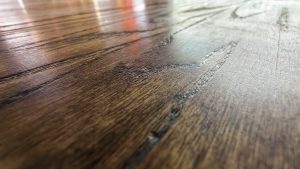
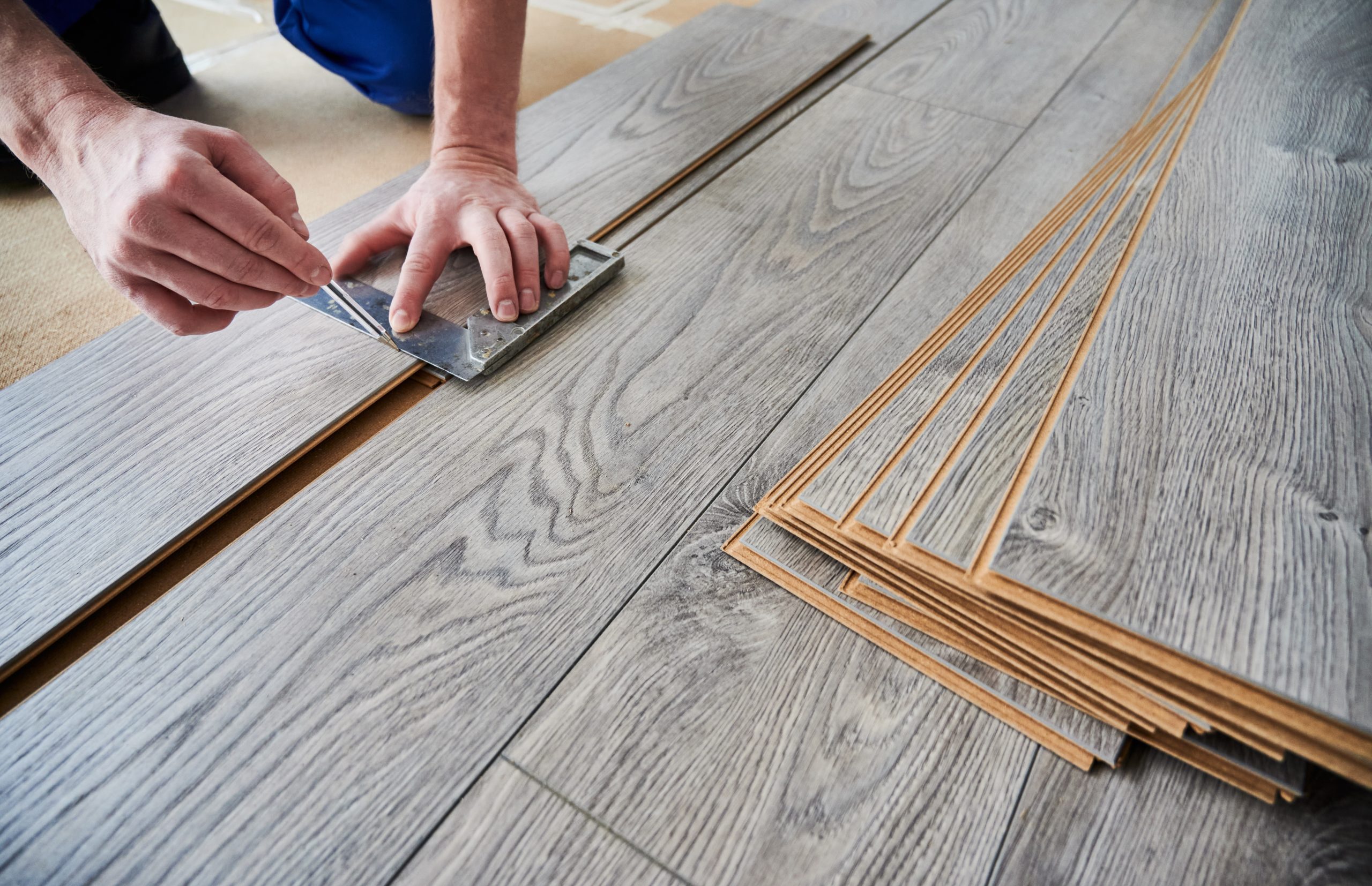

Wooden floors are one of the most beautiful features in any Kent home. However, years of foot traffic and everyday wear can leave even the finest floors looking tired and scratched. If your wooden floors have lost their shine, floor sanding in Kent might be exactly what they need.
At Kent Flooring UK, we’ve helped hundreds of homeowners across Kent restore their wooden floors through professional floor sanding services. This guide explains everything you need to know about the floor sanding process, from identifying when your floor needs attention to maintaining your beautifully restored surface.
What Is Floor Sanding?
Floor sanding is the process of removing the top layer of your wooden floor using specialist machinery. This removes scratches, dents, stains, and old finishes to reveal fresh, smooth wood underneath. The process prepares your floor for a new protective coating that will keep it looking beautiful for years.
Professional floor sanding and renovation services transform worn wooden floors into stunning features that enhance your entire home.
When Does Your Floor Need Sanding?
Look for these signs that indicate your wooden floor would benefit from professional floor sanding in Kent:
- Deep scratches that catch your fingernail
- Multiple dents and gouges across the surface
- Patchy or peeling varnish
- Watermarks that have penetrated the finish
- Dull areas where the protective coating has worn thin
- Dark stains that cleaning cannot remove
- The floor feels rough or splintery underfoot
If your floor shows several of these signs, wood floor restoration could bring it back to its former glory.
Types of Wood Suitable for Floor Sanding
Hardwood Floors Oak, maple, and walnut are ideal candidates for floor sanding. These dense woods can be sanded multiple times throughout their life without structural problems. Oak is the most common hardwood in Kent properties, typically needing sanding every 10-15 years. Professional wood flooring installation ensures these floors are fitted correctly from the start.
Softwood Floors Pine, cedar, and fir need more careful handling during sanding. These softer woods require finer sandpaper grades and lighter pressure but can still be successfully restored.
Engineered Wood Flooring Engineered floors have a thin real wood veneer over plywood. These can usually be sanded once or twice during their lifetime, depending on veneer thickness. Check the thickness before sanding to avoid permanent damage.
The Floor Sanding Process Step-by-Step
Professional floor sanding follows a systematic process:
1. Preparation and Assessment We thoroughly inspect your floor, checking for loose boards, protruding nails, and structural issues. Furniture is removed and doorways sealed to contain dust. We measure remaining wood thickness above the tongue and groove joint to ensure safe sanding.
2. Coarse Sanding The first pass uses coarse-grit sandpaper (40-60 grit) to remove old finish and level the surface. Edge sanders reach corners and tight spaces around radiators.
3. Medium Sanding Medium-grit paper (80-100 grit) removes scratches from coarse sanding and further smooths the surface.
4. Fine Sanding Fine-grit paper (120-150 grit) creates a perfectly smooth surface ready for finishing, ensuring even stain and sealant absorption.
5. Dust Extraction and Cleaning Modern equipment captures most dust during sanding. Industrial vacuum cleaners remove all remaining particles before finishing. According to the Health and Safety Executive’s guidelines on wood dust, proper dust control is essential for worker safety and quality results.
6. Applying the Finish Once clean and dust-free, we apply your chosen finish. Most finishes need 2-3 coats with light sanding between coats for optimal adhesion.
Choosing the Right Finish for Your Floor
The finish you choose affects both appearance and durability. Here’s what each option offers:
Finish Type |
Appearance |
Durability |
Maintenance |
Best For |
Oil
|
Natural matte look, enhances grain
|
Good, easy to repair
|
Regular reapplication needed
|
Living rooms, bedrooms
|
Wax
|
Soft sheen, traditional feel
|
Moderate, needs buffing
|
Frequent maintenance
|
Period properties, low-traffic areas
|
Water-based Lacquer
|
Clear, doesn't yellow
|
Excellent
|
Easy cleaning
|
Kitchens, family rooms
|
Solvent-based Lacquer
|
Warm amber tone
|
Excellent
|
Easy cleaning
|
Dining rooms, hallways
|
Hard Wax Oil
|
Satin finish, natural feel
|
Very good
|
Moderate
|
All rooms, especially high-traffic
|
Oil penetrates the wood, creating a natural matte appearance that shows off the grain. Easy to spot-repair but needs reapplication every 1-2 years.
Wax creates a soft sheen perfect for period properties but requires regular buffing and maintenance.
Lacquers form a protective surface layer. Water-based versions stay clear whilst solvent-based give warmth. Both offer excellent durability and easy maintenance.
Hard Wax Oil combines oil’s penetrating properties with enhanced durability, perfect for high-traffic areas.
How Long Does Floor Sanding Take?
The time needed for floor sanding depends on your project:
- Small bedroom (10-12m²): 1 day
- Medium living room (15-20m²): 1-2 days
- Large open-plan space (30m²+): 2-3 days
Heavily damaged floors need more sanding passes and repair work, extending the timeline. Floor condition, finish type, and room access all affect scheduling. After sanding and finishing, most floors need 24-48 hours before normal walking, and several days before replacing furniture.
Floor Sanding for Different Property Types
Victorian and Edwardian Homes: Often have original pine floorboards requiring gentle sanding to preserve period character whilst improving appearance.
1930s Properties: Many feature oak parquet flooring that responds excellently to sanding and looks spectacular when restored.
Modern Homes: May have engineered wood or laminate that cannot be sanded. Always check your floor type first.
Listed Buildings: Check with your conservation officer before sanding, though it’s usually acceptable for original features.
Floor Sanding vs. Other Restoration Options
Understanding your restoration options helps you make the right choice:
Screen and Recoat: If your floor surface is reasonable but the finish looks worn, screening might suffice. This lightly abrades the top layer and applies fresh finish without removing much wood. It’s quicker and cheaper than full sanding but only works when the wood itself isn’t damaged.
Chemical Stripping: For floors with multiple paint or varnish layers, chemical strippers remove coatings without mechanical abrasion. This preserves more wood thickness but requires careful handling and thorough neutralisation before refinishing.
Full Replacement: Sometimes sanding isn’t suitable. If boards are too thin, badly damaged, or the wrong wood type, replacement provides a fresh start with modern materials. This costs more but may be necessary for certain floors.
Environmental Benefits of Floor Sanding
Floor sanding is an environmentally responsible choice. Restoring existing floors prevents them going to landfill and reduces demand for new timber. Many modern finishes are water-based and low-VOC, making them healthier for your home. Sealed wooden floors improve insulation compared to worn, draughty boards. A properly sanded floor can last another 20-30 years, significantly reducing environmental impact.
Maintaining Your Newly Sanded Floor
Proper care ensures your beautiful floor lasts for years:
First Two Weeks Avoid heavy traffic and furniture placement. Sweep or vacuum gently without washing. Use protective pads under furniture legs and keep pets off whilst the finish cures.
Ongoing Care
- Sweep or vacuum regularly to remove grit
- Use only recommended cleaning products for your finish type
- Place mats at entrances to trap dirt and moisture
- Trim pet nails and use furniture pads
Long-term Maintenance Reapply oil finishes every 1-2 years and recoat lacquered floors every 5-10 years. Address damage promptly and maintain consistent humidity levels (40-60%). The Kent Flooring domestic gallery showcases beautifully maintained wooden floors across the region.
Cost Considerations for Floor Sanding in Kent
Several factors influence floor sanding costs:
- Floor Size: Per square metre pricing, with larger rooms offering economies of scale
- Floor Condition: Heavily damaged floors need more passes and repairs
- Finish Choice: Basic oils cost less than premium hard wax oils or lacquer systems
- Access Issues: Difficult access or working around furniture increases labour costs
- Additional Work: Skirting repairs, board replacement, or gap filling add to costs
Despite the initial investment, floor sanding is often more cost-effective than replacement. Well-maintained wooden floors also add significant property value.
Why Choose Professional Floor Sanding?
Professional services offer significant advantages:
- Specialist Equipment: Industrial drum sanders, edge sanders, and dust extraction systems capture over 95% of dust
- Experience: Understanding how different woods respond prevents common problems like gouges and uneven sanding
- Time Efficiency: Professional teams complete in hours what DIY takes days
- Quality Results: Skill and experience ensure perfectly smooth surfaces and durable finishes
- Health and Safety: Proper equipment and protective gear manage wood dust health risks
Common Floor Sanding Problems and Solutions
Uneven Sanding: Keep the sander moving continuously at consistent speed to avoid dips.
Cross-grain Scratches: Always sand along board length, following the grain direction.
Deep Stains: Some penetrate beyond safe sanding depth. Wood bleach or spot sanding can help, or embrace them as character features.
Gaps Between Boards: Fill with wood slivers or flexible fillers, or leave as original features depending on property style.
Patchy Finish: Thorough dust removal before finishing prevents patchy adhesion. Use tack cloths between coats.
Book Your Floor Sanding Assessment
If your Kent property has tired wooden floors that need refreshing, professional floor sanding could be the perfect solution. Our experienced team offers free, no-obligation assessments where we examine your floor, discuss your requirements, and provide clear advice on the best approach.
With over 20 years’ experience across Kent, London, and the South East, Kent Flooring UK delivers outstanding floor sanding and restoration results. We combine traditional craftsmanship with modern equipment to transform your wooden floors into beautiful features you’ll be proud of for decades to come.
Contact us today on 01634 790 454 to arrange your free home visit and discover how floor sanding can revive your wooden floors.