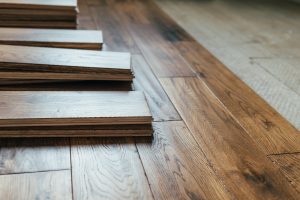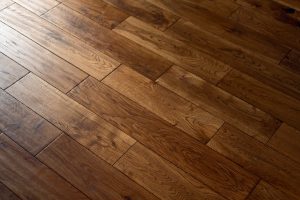


A tired wood floor can make a whole room feel old. Scratches, grey patches and gaps between boards are easy to spot, and it is tempting to think the only answer is to rip it all out and start again.
The good news is that most wood floors can be saved. Floor restoration in Kent is often quicker, cheaper and kinder to the planet than buying a brand new floor. But it is not the right choice every time.
In this guide, we explain what floor restoration is, what it can and cannot fix, and how to decide between restoring and replacing. We have been looking after floors in homes and businesses across Kent and London for over 20 years, so we see both sides of this question every week.
What Is Floor Restoration?
Floor restoration is the process of bringing a worn wood floor back to its best. Many people think it just means sanding, but sanding is only one part of the job.
A full restoration usually includes:
- A survey. We check the type of wood, how thick it is and what damage needs fixing.
- Repairs. Loose boards are secured, gaps are filled, and badly damaged boards are swapped out.
- Sanding. The old, scuffed top layer is sanded away to reveal fresh, clean wood underneath.
- Finishing. A seal or lacquer is added to protect the wood and give it the look you want.
Our floor sanding and restoration service covers all four stages, so you do not need to bring in different trades for each step.
What Problems Can Restoration Fix?
Restoration can solve far more than most people expect. The table below shows common problems and whether restoration is usually the answer.
| Floor problem | Can restoration fix it? | What we usually do |
|---|---|---|
| Light scratches and scuffs | Yes | Sand and refinish |
| Deep scratches and dents | Usually | Sand deeper, then refinish |
| Dull, grey or patchy surface | Yes | Sand back to bare wood and seal |
| Gaps between boards | Yes | Fill the gaps before sanding |
| Old stains | Often | Sand them out; very deep stains may need a new board |
| A few broken or rotten boards | Yes | Replace those boards, then sand the whole floor |
| Squeaky or loose boards | Yes | Secure the boards before sanding |
| Widespread rot or damp damage | Rarely | Replacement is often the safer choice |
| Engineered wood with a very thin top layer | Sometimes | Light sanding only, or replace |
If you are not sure whether your floor is ready for work, our guide on the signs your wooden floor needs professional restoration walks you through what to look for.
When Restoring Is the Best Choice
Restoration is usually the smart option when:
- The wood is solid. Solid wood boards and solid block floors, such as parquet, can be sanded many times over their life.
- The damage is on the surface. Scratches, wear and old finishes sit in the top layer of the wood, which sanding removes.
- The floor has character. Older homes across Kent, from Victorian terraces in Rochester to cottages near Canterbury, often have original boards. These are hard to match with new wood.
- You want less waste. Keeping your floor means less timber going to landfill and fewer new materials being made.
- You want less disruption. Restoration is often faster than taking up an old floor and fitting a new one.
Wondering how long you will be out of the room? Read our article on how long floor restoration in Kent takes for a realistic timeline.
When Replacing Makes More Sense
Sometimes a floor has simply reached the end of its life. Replacement may be the better choice when:
- The wood has been sanded too many times. Every sanding removes a thin layer. Eventually there is not enough wood left to sand safely.
- It is engineered wood with a thin top layer. Engineered boards have a real wood layer on top of a man-made base. If that top layer is thin, it may only take one light sanding, or none at all.
- There is serious damp or rot. Large areas of soft or rotten wood often point to a bigger problem under the floor that needs fixing first.
- You want a completely different look. If you would like herringbone instead of straight boards, or a different type of wood altogether, new flooring is the only way to get it.
If replacement is the right path, we can help you choose and fit new wood flooring that suits your home and your budget.
Restore or Replace: A Quick Comparison
| Restore | Replace | |
|---|---|---|
| Keeps original features | Yes | No |
| Waste created | Low | Higher |
| Time in the room | Usually shorter | Usually longer |
| Change of style possible | Colour and finish only | Any style or material |
| Best for | Solid wood with surface damage | Badly damaged or worn out floors |
Why Not Just Do It Yourself?
Hiring a sanding machine can look like an easy weekend job. In reality, it is very easy to go wrong. Big sanders can dig into the wood and leave dips and wavy marks that are hard to fix. On engineered wood, one mistake can wear right through the top layer.
There is also the dust. Sanding creates a lot of very fine wood dust that spreads around the house. The Health and Safety Executive explains that wood dust can cause serious health problems, including breathing problems, which is why proper dust control matters. Professional fitters use the right equipment to keep dust down and protect your home.
A professional team also knows which grit to use, how deep to go and which finish suits your room. That means a smoother result that lasts longer.
Choosing a Finish
Once the wood is sanded, it needs protecting. The finish you choose changes both the look and how hard-wearing the floor is.
- Lacquer forms a tough, clear layer on top of the wood. It is a great choice for busy areas like hallways, kitchens and shops.
- Seal soaks into the wood and protects it from the inside, giving a more natural look.
We will talk you through the options and recommend the best finish for how you use the room.
Floor Restoration Across Kent and London
Kent Flooring is based in Medway, and we restore floors in homes and businesses all over the county. Recent projects include work in Chatham, Gillingham, Rochester, Maidstone, Sevenoaks, Dartford, Canterbury and Bromley, as well as across London.
We also work in offices, shops, schools and pubs. For businesses, we can plan the work around your opening hours, including evenings and weekends, so you can keep trading.
Get Expert Advice on Your Floor
Not sure whether to restore or replace? The easiest way to find out is to let us take a look. We offer a free, no-obligation survey, where one of our experienced team will check your floor and give you honest advice.
Call us today on 01634 907777 or request a quote online to book your survey. You are also welcome to visit our showroom in Rochester by appointment.