
Victorian homes from 1837 to 1901 are full of amazing features. But nothing beats the beauty of their original wood floors. These aren’t just floors – they’re pieces of history that can transform your home.
At Kent Flooring, we help homeowners across Kent, London, and the South East restore these stunning period features. Let’s explore what makes Victorian floors special and how to bring them back to life.
What Made Victorian Floors Different?
Victorian floors were much more than just something to walk on. They showed off a family’s wealth and good taste. The richer you were, the fancier your floor could be.
The Victorians loved detail. Every board was carefully chosen. Many floors had intricate patterns that would amaze modern builders. These floors were built to last – and many still look brilliant after 150 years.
The Wood They Used
Victorian builders had three favourite materials:
Oak was the star choice. It’s incredibly strong and gets better with age. Most surviving Victorian floors are oak because it simply refuses to wear out.
Pine was cheaper and often used in less important rooms. But Victorian pine develops a lovely honey colour over time that many people love today.
Mahogany was the luxury option. You’d find this rich, dark wood in dining rooms and parlours where families wanted to impress guests.
Beautiful Victorian Patterns
Victorians didn’t just lay boards in straight lines. They created amazing patterns that were like art you could walk on.
Parquet Floors
Parquet became hugely popular in Victorian times. These geometric patterns were stunning. The fanciest homes had borders made from different woods, creating beautiful contrasts. Some even had metal or stone inlays for ultimate luxury.
Herringbone Design
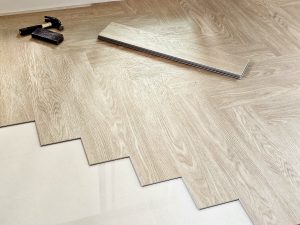
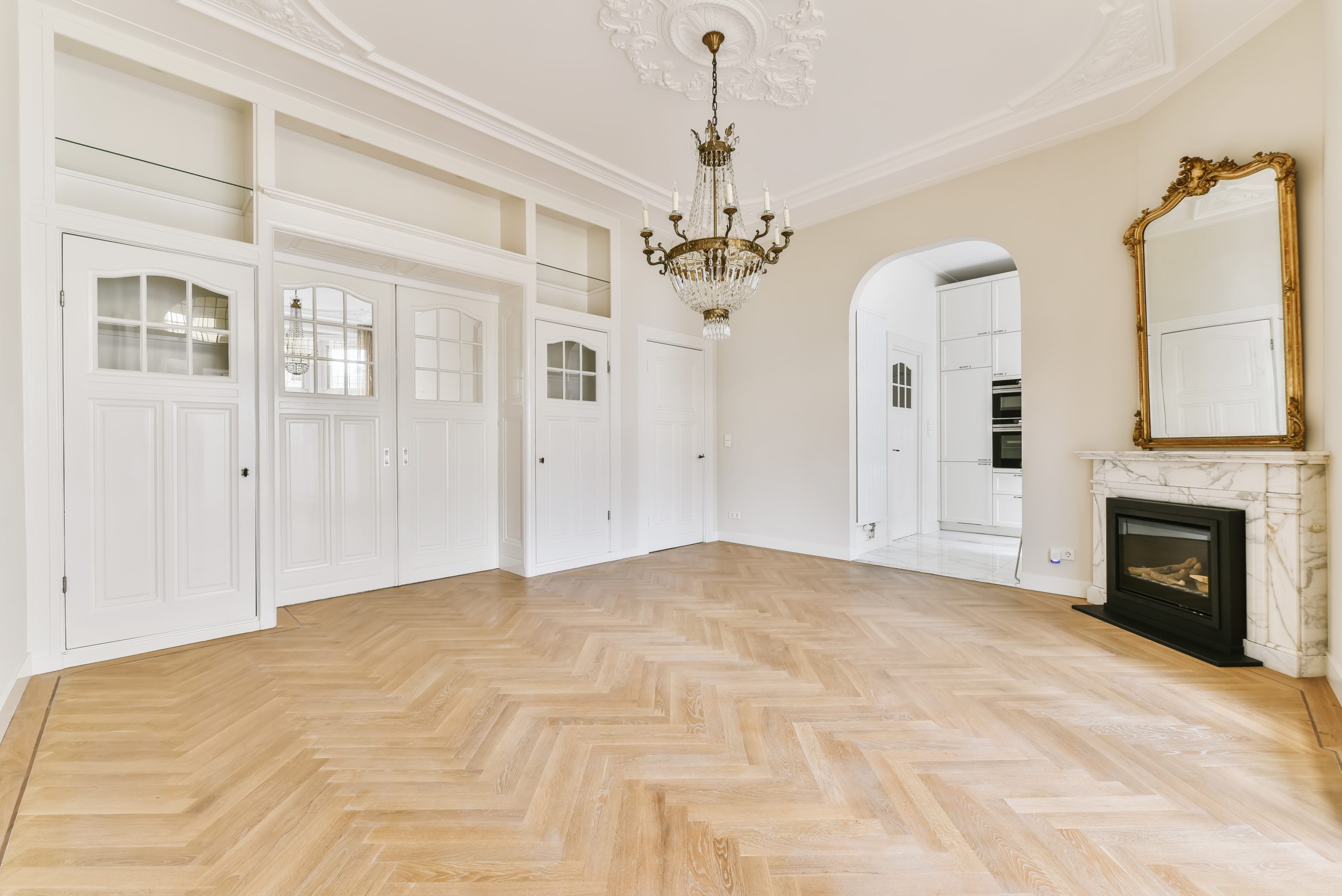
The herringbone pattern, where boards zigzag together, was another favourite. It looked great and was incredibly strong – perfect for heavy Victorian furniture.
How Victorian Floors Were Built
Victorian floors amaze us with their quality. These wooden planks are historical treasures with incredible stories.
Victorian boards were often much wider than today’s – sometimes 60 centimetres wide. They came from old trees that grew slowly, making the wood super dense and strong.
Spotting Real Victorian Floors
You can tell authentic Victorian boards by:
- Saw marks from old tools
- Different thicknesses (hand-cut, not machine-made)
- Old nail holes and character marks
These aren’t flaws – they prove the floor’s real history.
Why Restore Victorian Floors?
Restoring Victorian floors brings loads of benefits:
Historical Value: You’re saving British history. These floors have seen over a century of life.
Property Value: Original features add serious money to your home’s worth.
Environmental Benefits: Restoring is much greener than ripping out and starting fresh.
Unique Character: No two Victorian floors are the same. The natural ageing creates a character you can’t copy.
The Restoration Process
Restoring Victorian floors is like detective work – you never know what beauty you’ll find under old carpets.
Assessment
We start by checking the floor’s condition and wood type. We look for any problems that need fixing first.
Cleaning
We gently remove old finishes and built-up dirt. This often reveals stunning wood that’s been hidden for years.
Sanding
Modern dust-free sanding smooths the floor whilst keeping its character. We reveal the gorgeous grain beneath years of wear.
Repairs
Some boards might need fixing. When possible, we use old wood from the same period to keep everything matching.
Finishing
The final finish protects your floor. We often use traditional oils and waxes that let the wood breathe whilst providing protection.
Living with Victorian Floors Today
Victorian floors work brilliantly in modern homes. They were built for busy families and can handle today’s lifestyle with proper care.
Caring for Restored Floors
Daily care is simple:
- Sweep regularly
- Clean spills quickly
- Use furniture pads
Weekly maintenance:
- Damp mop (never soaking)
- Use wood-friendly cleaners
Annual care:
- Professional cleaning
- Check for touch-ups needed
Floor Comparison
| Floor Type | Character | Maintenance | Cost |
|---|---|---|---|
| Original Restored | Maximum | Medium | High |
| Reclaimed Victorian | High | Medium | Medium-High |
| Victorian-Style New | Medium | Low | Medium |
Common Problems and Solutions
Woodworm: We treat the wood and fill holes without losing character.
Warping: Traditional techniques realign boards and fill gaps properly.
Missing Bits: We source matching old wood or carefully age new pieces.
Modern Heating: Victorian floors work with underfloor heating using special low-temperature systems.
The Kent Flooring Advantage
We’ve worked with period properties for over 20 years. Every Victorian floor is unique and gets individual attention. We mix old craftsmanship with modern methods.
Our wood flooring services cover everything from assessment to ongoing care. We’re not just floor fitters – we’re guardians of British building heritage.
Frequently Asked Questions
Q: How do I know if my floor is really Victorian? A: Look for wide, hand-cut boards with saw marks and old square nails. The wood grain will be tight from slow-growing trees. We can help confirm age and authenticity.
Q: Is restoring a damaged floor worth it? A: Usually yes. Even badly damaged Victorian floors can often be saved. The original wood is of much better quality than modern alternatives.
Q: How long does restoration take? A: A typical room takes 3-7 days, including drying time. We’ll give you realistic timescales and work around your schedule.
Q: Can I stay in the house during work? A: Often yes. We use dust-free systems and can work room by room. We’ll discuss the best approach for your situation.
Getting Started
Ready to restore your Victorian floor? Here’s how:
- Contact us for a professional assessment
- We create a restoration plan for your needs
- We help prepare your space
- Our craftspeople carefully restore your floor
- We provide aftercare guidance
Understanding the history of wood flooring helps us see why Victorian floors remain so popular. Great materials, skilled work, and beautiful design create truly timeless floors.
Your Victorian Floor’s Future
A properly restored Victorian floor lasts generations. These floors have already proven they can survive 150+ years. With proper care, they’ll delight families for many more years.
There’s something magical about walking on floors with so much history. Every day, you connect with the craftspeople who built them and the families who lived with them.
Victorian floors are the heart of your home’s character. When you restore them, you’re saving British heritage whilst creating beauty for your family.
At Kent Flooring, we’re passionate about revealing the treasures hidden beneath your feet. Every restored floor is a victory for heritage and a win for families who get to enjoy these stunning features daily.
If you have Victorian floors hiding under carpets, why not discover what treasures await? Contact Kent Flooring today. Together, we can bring these magnificent features back to life, ensuring they continue being admired for years to come.
Your Victorian home deserves floors that match its grandeur. Let us help you achieve that perfect mix of historical beauty and modern practicality.