

When you think of kitchen flooring, the warm allure of hardwood often competes with the practicality of vinyl. You might wonder if vinyl flooring is a good fit for your kitchen, given its reputation for durability and water resistance. It offers a broad spectrum of colours and patterns that could rival more expensive materials. Yet, questions about its longevity and cost-effectiveness might still linger in your mind. Can vinyl truly withstand the hustle and bustle of daily kitchen activities without losing its charm? Consider these aspects as you weigh your options for the heart of your home.
Key Takeaways
– Vinyl flooring is durable and scratch-resistant, making it ideal for high-traffic kitchen areas.
– Its waterproof and stain-resistant properties are perfect for spill-prone kitchen environments.
– A wide variety of design options allows vinyl flooring to mimic natural materials for aesthetic appeal.
– Easy installation and maintenance make vinyl flooring a practical choice for kitchens.
– Vinyl flooring is cost-effective and offers long-term value compared to hardwood and tile.
Durability and Longevity
When considering vinyl flooring for kitchens, it’s important to evaluate its durability and longevity, as these factors will significantly impact your long-term satisfaction. Vinyl flooring is engineered to withstand the daily demands of a kitchen environment. Its multi-layer construction provides a robust foundation, guaranteeing both scratch resistance and impact resistance.
These properties are essential, as kitchens are high-traffic areas prone to dropped utensils, heavy footfall, and moving appliances. You should focus on vinyl flooring’s wear layer, which plays a key role in its durability. A thicker wear layer enhances scratch resistance, protecting the floor surface from abrasive activities like dragging chairs or incidental scrapes from kitchen tools.
Impact resistance is equally important, as it helps the flooring absorb shocks without denting or tearing, thereby maintaining the aesthetic appeal over time. Moreover, advancements in manufacturing techniques have led to the development of enhanced vinyl compositions, which further boost the flooring’s durability.
Consider selecting products with added protective coatings, as these can extend the lifespan by preventing surface wear. By prioritising materials with superior scratch and impact resistance, you guarantee that your kitchen flooring remains both functional and visually pleasing for years to come.
Water and Stain Resistance
In terms of water and stain resistance, vinyl flooring excels as a preferred choice for kitchens due to its inherent properties.
Vinyl’s composition includes a protective wear layer that effectively repels moisture and prevents stains from penetrating the surface. This makes it ideal for areas prone to spills and high humidity, like kitchens.
You’ll appreciate how easy it is to maintain and clean, requiring only routine sweeping and occasional mopping to keep it pristine. Additionally, the slip resistance of modern vinyl flooring guarantees safety, reducing the risk of accidents in a bustling kitchen environment.
Here’s what makes vinyl flooring a standout option:
– Waterproof Nature: Vinyl is inherently resistant to water, making it perfect for kitchens where spills are common.
– Stain Resistance: The top layer is designed to resist staining, keeping your floor looking new for longer.
– Slip Resistance: Many vinyl options include slip-resistant textures to enhance safety.
– Thermal Insulation: Vinyl provides a moderate level of thermal insulation, making it comfortable underfoot.
– Ease of Cleaning: Simple maintenance routines are sufficient to keep vinyl looking its best.
Design and Aesthetic Options
Vinyl flooring frequently captivates homeowners with its vast array of design and aesthetic options, making it an ideal choice for kitchen interiors. You can explore an impressive selection of colour schemes, allowing you to tailor your kitchen’s look to your personal taste.
Whether you prefer a modern monochrome palette or a more vibrant, eclectic mix, vinyl flooring can accommodate your vision. The material’s capability to mimic natural surfaces such as wood or stone further enhances its versatility, offering an authentic appearance without the cost or maintenance burden.
Texture variety in vinyl flooring adds another layer of customization. You can choose from smooth finishes for a sleek, contemporary feel or opt for more tactile, embossed textures that replicate the grain of wood or the ruggedness of stone.
This textural flexibility guarantees your kitchen floor not only looks stunning but also feels comfortable underfoot.
Moreover, vinyl’s ability to incorporate intricate patterns and designs can transform your kitchen into a unique space reflecting your style. The technology behind vinyl manufacturing allows for high-resolution imagery and precise detailing, guaranteeing you achieve the desired aesthetic effect with durability and ease.
Installation and Maintenance
Once you’ve selected the perfect design and aesthetic for your kitchen with vinyl flooring, understanding the installation process becomes your next step.
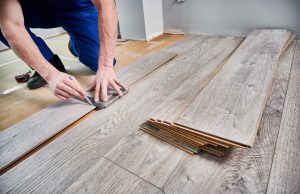
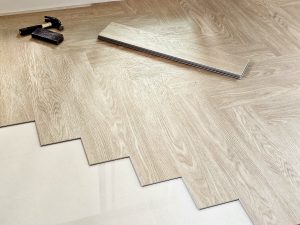
Vinyl flooring offers multiple installation techniques that cater to various skill levels and preferences. Whether you’re a DIY enthusiast or hiring a professional, consider these common methods:
– Glue-down: Ideal for high-traffic areas, providing a permanent solution that withstands heavy use.
– Peel-and-stick: A user-friendly option, allowing quick installation without specialised tools.
– Click-lock: Offers a floating floor system, making it easy to install over existing surfaces.
– Loose lay: Utilises friction and weight for stability, requiring minimal adhesive.
– Sheet vinyl: Best for seamless coverage, particularly in moisture-prone areas.
Post-installation, maintaining your vinyl flooring guarantees its longevity and appearance.
Employ these maintenance tips for best results: regularly sweep to prevent dirt accumulation, use a damp mop with a mild cleaner, and avoid harsh chemicals that may damage the surface.
Additionally, place protective pads under furniture to prevent scratches and immediately clean spills to avoid staining.
Cost and Value Analysis
Evaluating the cost and value of vinyl flooring in kitchens involves several critical factors that contribute to its appeal as a cost-effective solution. When you conduct a price comparison with other flooring options like hardwood, tile, or laminate, vinyl typically emerges as a more affordable choice. This affordability doesn’t compromise on quality, as vinyl provides durability and aesthetic versatility, which are significant advantages in high-traffic areas like kitchens.
In terms of budget considerations, vinyl flooring offers a range of price points to suit different financial plans. You can find options that fit modest budgets without sacrificing style or functionality. Additionally, the ease of installation can lead to lower labour costs, further enhancing vinyl’s cost-effectiveness. With DIY installation possibilities, you might save even more, making it an attractive choice for budget-conscious homeowners.
Moreover, vinyl’s long lifespan and resistance to water and stains contribute to its overall value. Reduced maintenance costs and the ability to withstand daily kitchen challenges mean you won’t face frequent replacements, thereby extending your investment’s life cycle.
Fundamentally, vinyl flooring combines affordability with long-term value, making it a prudent choice for kitchen renovations.
Frequently Asked Questions
Is Vinyl Flooring Eco-Friendly and Sustainable for Kitchen Use?
You should consider vinyl’s environmental impact when thinking about its sustainability. Vinyl manufacturing involves using non-renewable resources and emitting VOCs. While durable and low-maintenance, it’s not the most eco-friendly option for kitchen flooring.
How Does Vinyl Flooring Affect Indoor Air Quality in Kitchens?
You’re concerned about how vinyl flooring affects indoor air quality in kitchens. Vinyl emissions can release VOCs, impacting air quality. However, its moisture resistance reduces mould risks, balancing potential emissions with benefits. Choose low-emission products to mitigate concerns.
Can Vinyl Flooring Be Recycled or Reused After Removal?
You can explore vinyl disposal options, including recycling processes. Many facilities accept vinyl flooring for recycling, transforming it into new products. Check local recycling programs to guarantee proper handling and contribute to sustainable waste management practices.
Is Vinyl Flooring Suitable for Homes With Underfloor Heating Systems?
You can confidently pair vinyl flooring with underfloor heating systems. It effectively supports heat transfer, ensuring efficient warmth. Additionally, vinyl’s flooring durability withstands temperature changes, maintaining its integrity and performance in a high-heat environment.
How Does Vinyl Flooring Perform in Terms of Sound Absorption in a Kitchen Environment?
In a kitchen, vinyl flooring excels in sound insulation and noise reduction. You’ll find it minimises footsteps and appliance noise effectively, enhancing acoustic comfort. Its multi-layer design efficiently absorbs sound, making it ideal for busy environments.
Conclusion
You’ll find vinyl flooring to be a stellar choice for kitchens, combining durability and aesthetic appeal seamlessly. Its water and stain resistance guarantees your kitchen stays pristine, while installation and maintenance are a breeze. An interesting statistic to take into account: vinyl flooring can last up to 20 years with proper care, delivering exceptional long-term value. With a myriad of design options, you won’t have to compromise on style or functionality, making it a smart investment for any kitchen.