
When you’re considering flooring options for high-traffic areas, ceramic tiling often comes up as a top contender. Its durability and longevity make it an attractive choice, especially when you factor in the minimal maintenance it requires. But is it truly the best solution? You’ll need to weigh the benefits of its wear resistance and safety features against other factors like installation costs and aesthetic versatility. Before you make a decision, think about whether ceramic tiling’s advantages align with your specific needs and budget. Let’s explore these aspects further to see if ceramic tiling is the right fit for you.
Key Takeaways
– High wear resistance makes ceramic tiles ideal for handling the demands of high-traffic areas.
– Surface glaze and dense composition provide excellent protection against scratches, impacts, and scuffs.
– Regular maintenance is straightforward with sweeping, pH-neutral cleaners, and occasional sealing for longevity.
– COF ratings and textured finishes enhance slip resistance, ensuring safety in both dry and wet conditions.
– Aesthetic versatility with various colours, patterns, and finishes allows ceramic tiles to complement any design scheme.
Durability and Longevity
When considering ceramic tiling for high-traffic areas, understanding its durability and longevity is vital for making an informed decision.
Ceramic tiles are known for their high wear resistance, which makes them an excellent choice for spaces that experience significant foot traffic. The durability of ceramic tiles is primarily due to their dense composition and the high-temperature firing process they undergo. These factors enhance the tile’s ability to withstand impact, preventing chips and cracks even under heavy use.
Impact factors such as footfall intensity, furniture movement, and potential dropping of heavy objects are essential when evaluating the suitability of ceramic tiles. Their inherent strength and resilience guarantee that they can handle such stresses without significant deterioration. Additionally, the surface glaze on ceramic tiles provides an extra layer of protection, further improving their wear resistance by preventing scratches and scuffs.
When you’re choosing ceramic tiles for high-traffic areas, it’s important to select tiles with a high PEI (Porcelain Enamel Institute) rating. This rating indicates the tile’s resistance to abrasion, with higher values signifying greater durability. By focusing on these technical aspects, you can guarantee that your ceramic tiling will remain in top condition for many years.
Maintenance and Cleaning
Proper maintenance and cleaning are critical for preserving the durability and aesthetic appeal of ceramic tiles in high-traffic areas. To keep your tiles looking pristine, you should employ effective cleaning techniques and adhere to a consistent maintenance frequency.
Start by sweeping or vacuuming the area daily to remove abrasive dirt and debris. This simple step prevents scratches and other damage to the tile surface. For deeper cleaning, use a pH-neutral cleaner, which is gentle yet effective. Avoid harsh chemicals that can degrade the tile’s finish over time.
Weekly, mop the tiles with a microfiber mop and a solution of warm water mixed with the pH-neutral cleaner. Pay special attention to grout lines, as they can collect dirt and become discoloured. Using a soft-bristle brush, gently scrub the grout to maintain its original colour.
For stubborn stains, a paste of baking soda and water can work wonders. Apply it to the stain, let it sit for a few minutes, then scrub gently and rinse thoroughly.
Regularly sealing the grout and tiles can further enhance their longevity, creating a barrier against moisture and grime.
Safety and Slip Resistance
Guaranteeing safety and slip resistance in high-traffic areas with ceramic tiling involves selecting tiles with a high coefficient of friction (COF) and applying appropriate non-slip treatments. You need to evaluate several factors to maximise slip prevention and meet safety standards.
- Coefficient of Friction (COF): Choose tiles with a COF rating of at least 0.6 for dry areas and 0.8 for wet environments. This provides adequate grip and reduces the risk of slips.
- Textured Surfaces: Opt for tiles with a textured or matte finish. These surfaces enhance traction, especially in areas prone to moisture, such as bathrooms and kitchens.
- Non-Slip Treatments: Apply anti-slip coatings or treatments to existing ceramic tiles. These solutions can considerably improve slip resistance, making them a practical choice for enhancing safety without replacing tiles.
- Compliance with Safety Standards: Confirm that the tiles you select comply with local and international safety standards, such as ANSI A137.1 for slip resistance. This assures that your tiling solution meets the necessary regulatory requirements.
Installation and Costs
After guaranteeing safety and slip resistance, it’s crucial to understand the installation process and associated costs to achieve a durable and cost-effective ceramic tiling solution for high-traffic areas.
The installation techniques for ceramic tiles involve meticulous surface preparation, including cleaning, levelling, and applying a suitable underlayment to prevent future issues such as cracking or uneven surfaces. You’ll need to use high-quality adhesives and grouts specifically designed for high-traffic areas to guarantee longevity and stability.
When it comes to cost comparison, ceramic tiles are generally more affordable than natural stone or high-end porcelain options. However, the total costs can vary considerably based on factors like tile quality, size, and installation complexity. For instance, intricate patterns or larger tiles might require more time and specialised skills, thereby increasing labour costs.
DIY installation can save money but demands a certain level of expertise to avoid costly mistakes. Professional installation, although more expensive upfront, guarantees a high-quality finish and long-term durability.
Balancing these factors will help you determine the most cost-effective and practical approach for your specific high-traffic area needs, guaranteeing you get the best value for your investment.
Aesthetic Versatility
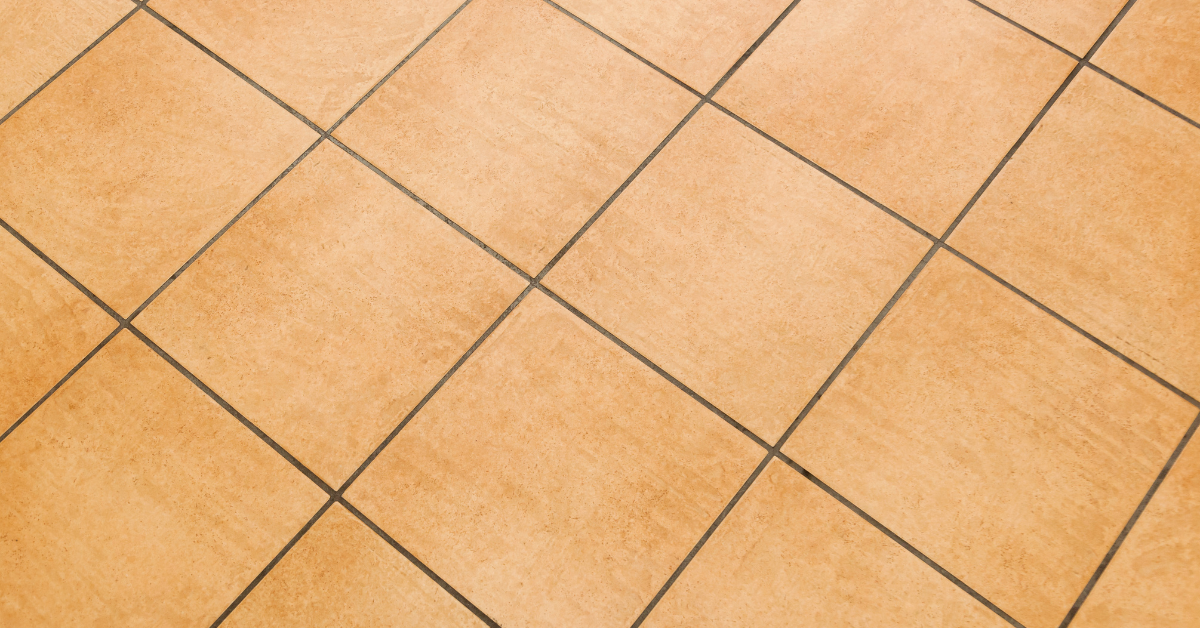
Given the wide range of colours, textures, and finishes available, ceramic tiles offer unparalleled aesthetic versatility for enhancing high-traffic areas. You’ll find an extensive palette of colour options, from muted earth tones to vibrant hues, allowing you to match any interior design scheme. The variety of design patterns lets you create visually appealing layouts that can either complement or contrast with surrounding decor.
Here are four ways ceramic tiles can elevate your high-traffic spaces:
- Colour Options: Ceramic tiles come in virtually every colour imaginable. Whether you want a subtle, monochromatic look or a bold, eye-catching design, there’s a tile to fit your vision.
- Design Patterns: From classic herringbone to modern geometric patterns, ceramic tiles can be arranged in countless configurations. This flexibility allows for personalised design solutions that can adapt to evolving trends and styles.
- Textures and Finishes: Available in glossy, matte, or textured finishes, ceramic tiles can mimic natural stone, wood, or even fabric, offering a sophisticated look without compromising durability.
- Customisable Shapes and Sizes: Tiles come in various shapes and sizes, enabling complex mosaics or simple, large-format installations, tailored to the spatial dynamics of your high-traffic area.
Frequently Asked Questions
Can Ceramic Tiles Be Used Outdoors in High-Traffic Areas?
Yes, you can use ceramic tiles outdoors in high-traffic areas. Confirm they have outdoor durability and proper slip resistance. Select tiles rated for exterior use and apply a non-slip coating to enhance safety and longevity.
Are There Eco-Friendly Ceramic Tile Options Available?
You’ve hit the nail on the head! Absolutely, there are eco-friendly ceramic tile options. They use sustainable materials and energy-efficient manufacturing processes, reducing environmental impact while offering durability and style for your high-traffic areas.
How Does Ceramic Tile Compare to Other Flooring Options in Terms of Thermal Insulation?
You’ll find ceramic tile has higher thermal conductivity compared to materials like carpet, resulting in lower insulation performance. While effective for heating systems, it’s less efficient in retaining warmth, making it cooler underfoot.
What Are the Soundproofing Capabilities of Ceramic Tiles in Busy Environments?
Ceramic tiles have limited acoustic performance and aren’t great for noise reduction. You might notice more echoes and sound transmission in busy environments. For better soundproofing, consider adding underlayment or choosing thicker, more sound-absorbing materials.
Can Ceramic Tiling Improve Indoor Air Quality?
Think of ceramic tiles as the lungs of your space; they don’t harbour allergens or emit VOCs, consequently enhancing indoor air quality. Their easy-to-clean surface also minimises dust and pollen accumulation, making maintenance straightforward.
Conclusion
So, is ceramic tiling the best solution for high-traffic areas?
Well, with its unbeatable durability, minimal maintenance, and wide range of stylish options, it practically screams ‘use me!’
And let’s not forget the slip resistance, which means fewer accidents in busy spaces.
Ironically, despite all these perks, some might still consider other options—but hey, sometimes the obvious choice is just too good to be true, right?