
As the old saying goes, ‘A stitch in time saves nine,’ and this couldn’t be truer when it comes to the lifespan of your wood floors. You’ve probably wondered how long you can expect your wood floors to maintain their charm and integrity under the constant tread of daily life.
While the durability of wood flooring can vary greatly depending on several factors, including the type of wood, the quality of installation, and most importantly, how well you maintain them, there’s a wealth of knowledge to guide you in maximising their lifespan.
However, understanding the nuances that contribute to the longevity of your wood floors, from the specific species of wood to the finish used, can seem daunting. Yet, it’s these very details that can turn the expected 20 years into a century of warm, inviting floors under your feet.
Stick around, and you’ll uncover the secrets to ensuring your wood floors outlive even your highest expectations, transforming your home with their timeless appeal.
Key Takeaways
– Wood type and proper installation are crucial factors in determining the lifespan of wood floors.
– Environmental conditions and regular maintenance play a significant role in preserving the condition of wood floors.
– Refinishing is a cost-effective way to extend the life of wood floors and restore their original beauty.
– Different types of wood floors have varying lifespans, with solid hardwood lasting the longest with proper care.
Understanding Wood Floor Lifespan
The lifespan of wood floors, a critical aspect to consider when planning interior spaces, typically ranges from 20 to 100 years, depending on the type of wood, installation quality, and maintenance practices. You’re likely aware that the type of wood plays a pivotal role in its durability. However, don’t overlook the profound impact installation and environmental conditions have on your floors’ longevity.
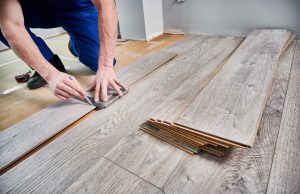
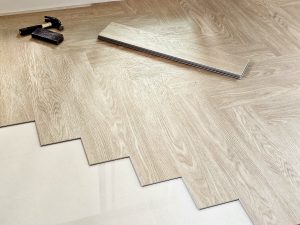
Installation impact can’t be overstated. Proper installation ensures that wood floors are correctly acclimated to their environment, preventing premature warping or gaps. You’ll want to ensure that the subfloor is prepared meticulously, guaranteeing a stable foundation for the wood. This involves controlling moisture levels and ensuring a level surface. A flawed installation can significantly reduce your floor’s lifespan, leading to costly repairs or replacement.
Environmental conditions also play a crucial role. Wood floors are sensitive to humidity and temperature fluctuations. In areas with high humidity or drastic seasonal changes, wood can expand and contract, causing damage over time. You’ll need to maintain a consistent indoor climate, possibly with the help of humidifiers or dehumidifiers, to mitigate these effects.
Regular maintenance, including cleaning and refinishing, can help combat the wear and tear brought on by environmental factors, ensuring your floors reach their maximum potential lifespan.
Factors Influencing Durability
Understanding the lifespan of wood floors sets the stage for a deeper exploration into the factors that directly affect their durability. These factors include wood type, finish quality, and maintenance routines. It’s crucial to recognize that the installation quality plays a pivotal role. Properly installed floors can withstand decades of foot traffic, while poorly laid floors may show signs of wear prematurely.
The type of wood significantly influences resilience. Hardwoods like oak and maple are renowned for their durability, whereas softer woods like pine are more prone to scratches and dents.
Another critical aspect is the finish quality. High-quality finishes protect the wood from moisture and scratches, extending the floor’s life. Regular maintenance, including cleaning and occasional refinishing, can also significantly impact longevity.
Climate impact can’t be overlooked. Wood floors are sensitive to changes in humidity and temperature. In regions with high humidity or extreme temperature fluctuations, wood can expand or contract, leading to warping or cracking. Ensuring that your home maintains a stable environment can help mitigate these effects.
Maintenance Tips and Tricks
To ensure your wood floors retain their beauty and durability, it’s crucial to adopt a regular maintenance routine tailored to their specific needs and environmental conditions.
Establishing a consistent cleaning schedule is foundational. Dust and dirt act as abrasives, wearing down the finish over time. Weekly vacuuming with a soft-bristle attachment or dust-mopping removes surface debris effectively. For deeper cleaning, utilise a wood floor cleaner recommended by the manufacturer, but avoid excessive moisture. Damp-mop only as needed, ensuring the mop is wrung out thoroughly before application.
Moisture control is equally paramount. Wood floors are susceptible to warping and swelling with excessive humidity or water exposure. In regions with high humidity, consider running a dehumidifier during moist months to maintain an optimal indoor humidity level between 35% and 55%. Similarly, in drier climates or seasons, a humidifier can prevent wood from becoming too dry and cracking. Immediate clean-up of spills and avoiding standing water are critical practices.
Further, protect your floors from scratches by placing felt pads under furniture legs and avoiding walking on the floors with high heels or hard-soled shoes. Implementing area rugs in high-traffic zones can also reduce wear.
Following these maintenance tips and tricks will extend the life and preserve the appearance of your wood floors.
Signs of Aging Floors
Despite diligent maintenance, wood floors will inevitably display signs of ageing, reflecting their history and the life lived upon them. You’ll first notice colour changes, a natural evolution caused by exposure to sunlight and air. Over years, UV rays and oxygen work together to alter the wood’s original hue, often leading to either a darker appearance or, conversely, a faded look. This transformation isn’t merely cosmetic but speaks to the wood’s ongoing reaction to its environment.
Crack appearances are another telltale sign of ageing. These aren’t simply superficial flaws but are indicative of the wood’s response to changes in humidity and temperature. As wood absorbs moisture from the air, it expands. Conversely, in dryer conditions, it contracts. This constant cycle of expansion and contraction can lead to cracks over time. While small cracks add character, larger fissures may require attention to prevent potential damage to the wood’s structural integrity.
Understanding these signs of ageing is crucial for maintaining your wood floors’ beauty and functionality. By recognizing colour changes and crack appearances early, you can take appropriate measures to preserve the floor’s condition, ensuring it continues to add warmth and character to your home for years to come.
Enhancing Longevity With Refinishing
Refinishing your wood floors is a critical step in extending their lifespan and restoring their original beauty. This process not only revives the appearance of your floors but also offers a protective layer against future wear and tear. Understanding the refinishing benefits can help you make informed decisions about maintaining your wood floors.
Here are four key points to consider:
- Protection Against Damage: Refinishing adds a protective topcoat that shields the wood from scratches, dents, and moisture. This barrier significantly reduces the risk of damage, ensuring your floors remain in pristine condition for longer.
- Restoration of Original Beauty: Over time, wood floors can lose their lustre and develop unsightly scratches or discolorations. Refinishing removes these imperfections, bringing back the floor’s original shine and smoothness.
- Cost-Effective Maintenance: Compared to replacing your entire flooring, refinishing is a more affordable way to keep your wood floors looking new. It’s a smart investment that extends the life of your floors without breaking the bank.
- Adaptation to Color Trends: Refinishing offers the opportunity to update your floors with the latest colour trends. Whether you’re aiming for a classic look or a modern aesthetic, you can choose a new stain that matches your current style preferences.
Understanding these refinishing benefits ensures that your wood floors remain a durable and stylish part of your home for years to come.
Frequently Asked Questions
Can Wood Floors Be Installed Over Radiant Heating Systems Without Shortening Their Lifespan?
Yes, you can install wood floors over radiant heating systems without shortening their lifespan if you carefully consider thermal expansion and choose the right underlayment options to handle the heat and moisture effectively.
How Does the Climate and Humidity Level of a Region Affect the Selection of Wood Flooring for Longevity?
You’ll find that climate and humidity greatly impact wood flooring choices for durability. Moisture control is crucial, ensuring geographic suitability to prevent warping. Opting for compatible wood types enhances longevity in your specific environmental conditions.
Are There Specific Types of Wood Floors That Are Better for Homes With Pets to Avoid Premature Wear and Tear?
Yes, you’ll want hardwoods known for their scratch resistance to combat pet claws and durability against pet accidents. Bamboo and oak are top choices, offering both resilience and a comforting, warm aesthetic to your home.
How Do Different Installation Methods (Glue-Down Vs. Floating Vs. Nail-Down) Impact the Long-Term Durability of Wood Floors?
Your choice between glue-down, floating, or nail-down installations affects wood floor durability. Glue-down’s sturdy, but pricey; floating flexible, easier to replace; nail-down’s traditional, reliable. Consider installation costs, maintenance routines to maximise floor longevity.
Can Heavy Furniture and Appliances Cause Permanent Damage to Wood Floors, and How Can This Be Mitigated to Ensure a Longer Lifespan?
Heavy furniture and appliances can be like anchors, digging into your wood floors over time. To prevent damage, use furniture pads and floor protectors diligently. This approach ensures your floors remain pristine, safeguarding their longevity.
Conclusion
In wrapping up, remember: your wood floors‘ lifespan mirrors your dedication to maintenance. Regularly clean, promptly repair, and periodically refinish to keep those planks robust. Watch for wear, fading, and damage as signs to act.
By embracing these practices, you’ll not only preserve your floors’ beauty but also extend their life significantly. In essence, the longevity of your wood floors isn’t just about time; it’s about the attention and care you invest in them.
Let your floors reflect your enduring commitment to excellence.