
When deciding between wood flooring and laminate flooring for your home, you’ll find each option has its own set of benefits and challenges. Wood flooring offers a timeless, natural beauty that can increase your home’s value, but it also demands a higher budget and more maintenance. On the other hand, laminate flooring is cost-effective, durable, and easy to install, making it a favourite for DIY projects. However, it doesn’t quite capture the authentic feel of real wood. So, which one should you choose for your space? Let’s explore the key factors that could influence your decision.
Key Takeaways
– Wood flooring offers natural elegance and higher resale value, while laminate is budget-friendly and easier to maintain.
– Laminate flooring is more resistant to scratches and dents than wood flooring.
– Wood flooring can be refinished for a longer lifespan, whereas laminate cannot.
– Laminate flooring features a simpler DIY installation process compared to wood flooring.
– Wood flooring is biodegradable and recyclable, while laminate contains synthetic materials contributing to landfill waste.
Cost Comparison
When evaluating the cost comparison between wood flooring and laminate flooring, you’ll find significant differences that impact your budget.
Wood flooring, although generally more expensive upfront, can be considered a long-term investment. This type of flooring can enhance your home’s value over time due to its natural beauty and timeless appeal. The initial costs include not only the material but also professional installation, which is essential for achieving the best results.
On the other hand, laminate flooring offers a budget-friendly alternative. It’s less expensive regarding both material and installation. However, you should consider the ongoing cleaning costs.
Wood flooring often requires specific cleaning products to maintain its appearance and prevent damage, whereas laminate flooring is more resistant to moisture and stains, making it easier and cheaper to clean over time.
When making your decision, consider not just the initial expenditure but also the long-term benefits. Wood flooring may cost more initially, but its potential to increase property value and its durability could offset those costs.
Laminate flooring, while cheaper initially, mightn’t offer the same long-term investment potential or aesthetic appeal.
Durability
Durability is an essential factor to evaluate when choosing between wood flooring and laminate flooring. Wood flooring, particularly hardwood, is renowned for its long-lasting nature. However, it can be susceptible to scratches and dents. The scratch resistance of wood largely depends on the type of wood and its finish. Harder woods like oak and maple offer better resistance, but they’re still not completely immune to wear and tear.
In contrast, laminate flooring is engineered to be highly durable. It features a multi-layer construction with a robust wear layer that provides excellent scratch resistance. This wear layer is typically made from melamine resin, which is designed to withstand heavy foot traffic and resist damage from pets and furniture.
The core layer, usually made of high-density fiberboard (HDF), adds to the overall stability and durability of the laminate flooring.
When considering the durability of both options, you’ll find that laminate flooring generally offers superior scratch resistance due to its protective wear layer. However, wood flooring can be refinished multiple times, extending its lifespan considerably.
Your choice will depend on your specific durability requirements and the expected level of activity in the area.
Maintenance Requirements
Proper flooring maintenance is essential for preserving the appearance and longevity of both wood and laminate flooring.
When it comes to wood flooring, you’ll need to adopt specific cleaning techniques and long term care strategies to keep it looking its best. Regular sweeping or vacuuming is critical to avoid scratches from dirt and debris. Use a damp mop with a wood-safe cleaner for a deeper clean, but avoid excessive water to prevent warping.
Laminate flooring, on the other hand, requires less intensive maintenance. Its wear layer resists scratches and stains, making it easier to clean. Regular sweeping or vacuuming is also recommended, but you can use a slightly damp mop with a laminate-specific cleaner for more thorough cleaning.
Avoid using abrasive cleaners or soaking the floor, as moisture can seep into the seams and cause swelling.
For both types, immediate attention to spills is essential to prevent stains and damage. While wood flooring may require occasional refinishing to maintain its lustre, laminate flooring usually doesn’t need such extensive care.
Installation Process
While maintaining the appearance and longevity of your flooring is important, understanding the installation process is equally vital.
When installing wood flooring, you’ll need to focus heavily on subfloor preparation. Any imperfections in the subfloor, such as uneven spots or moisture issues, can affect the final result. The subfloor should be clean, dry, and level before you begin.
You’ll also need specialised installation tools, including a pneumatic nailer, a tapping block, and a floor sander, to guarantee a precise fit and finish.
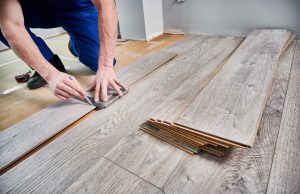
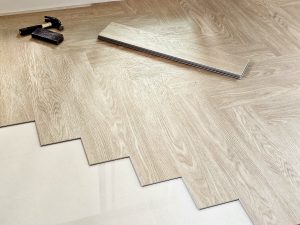
In contrast, laminate flooring offers a more straightforward installation process. It often features a click-lock mechanism, allowing you to snap the planks together without adhesives or nails.
Subfloor preparation is still vital but generally less demanding than for wood flooring. Confirm the subfloor is free of debris and relatively level.
Common installation tools for laminate include a tapping block, a pull bar, and spacers to maintain consistent gaps along walls.
Both types of flooring can be installed as DIY projects, but wood flooring typically requires more expertise and time.
Proper subfloor preparation and the right installation tools are key to a durable and attractive floor, regardless of the material you choose.
Aesthetic Appeal
When it comes to aesthetic appeal, wood flooring often takes the spotlight with its natural elegance and timeless charm. The unique grain patterns and colour variations in wood create a distinctive look that adds warmth and character to any space.
You can select from a wide range of wood species, each offering different hues and textures, allowing for a highly personalised design.
Laminate flooring, while designed to mimic the appearance of real wood, falls short in replicating the depth and richness of natural wood. However, it does offer a broader array of design styles, including options that replicate stone or tile.
This versatility makes laminate a flexible choice if you’re aiming to achieve a specific aesthetic without the constraints of natural wood.
Both materials can complement various interior design styles, from rustic to contemporary. Wood flooring tends to be more suitable for classic or high-end designs, while laminate’s diverse offerings make it adaptable for modern or eclectic tastes.
Ultimately, if you prioritise authentic beauty and unique colour variations, wood flooring is the superior choice. On the other hand, if budget and design flexibility are your main concerns, laminate flooring provides a viable alternative.
Environmental Impact
Considering the environmental impact of flooring materials is increasingly important for eco-conscious homeowners and professionals alike. When comparing wood flooring to laminate flooring, you’ll want to examine several key factors to understand their sustainability practices and carbon footprint.
- Source of Materials: Wood flooring, especially when sourced from responsibly managed forests, can be a sustainable option. Look for certifications like FSC (Forest Stewardship Council) that guarantee the wood is harvested in an environmentally friendly manner.
Laminate flooring, on the other hand, is made from composite wood pressed together with resins, which often derive from non-renewable resources.
- Manufacturing Process: The production of wood flooring typically involves less energy than laminate flooring, which requires high heat and pressure to bond the materials.
This difference in manufacturing processes results in a lower carbon footprint for wood flooring.
- End-of-Life Disposal: Wood flooring is biodegradable and can be recycled or repurposed, reducing its long-term environmental impact.
Laminate flooring, however, contains synthetic materials that aren’t easily recyclable and often end up in landfills, contributing to environmental pollution.
Comfort and Feel
Understanding the environmental impact of your flooring choices sets the stage for evaluating their comfort and feel.
When it comes to wood flooring, you’ll notice a natural texture variation that adds a unique aesthetic. This variation not only enhances visual appeal but also affects how the floor feels underfoot. Wood tends to be more forgiving and resilient, providing a slightly softer feel when walking or standing for long periods.
In contrast, laminate flooring typically has a more uniform texture. This consistency can be advantageous if you prefer a smoother surface. However, laminate doesn’t offer the same level of cushioning as wood, which may make it feel harder and less comfortable over time.
Temperature regulation is another essential aspect. Wood flooring excels in this area, often feeling warmer and more inviting, especially in colder climates. Wood’s natural insulating properties help maintain a consistent temperature, contributing to overall comfort.
On the other hand, laminate flooring can feel cooler to the touch, which might be less desirable in cooler environments but advantageous in warmer settings.
Ultimately, your choice will hinge on personal preferences for texture variation and temperature regulation, both of which greatly influence the comfort and feel of your living space.
Resale Value
Evaluating the resale value of your flooring choices is essential when planning home improvements. When it comes to wood and laminate flooring, understanding buyer preferences and market trends can greatly influence your decision. Here are three critical aspects to take into account:
- Perceived Value: Hardwood flooring is often seen as a premium option, appealing to a broader range of buyers. Its natural beauty and long lifespan can make your home more attractive, potentially increasing resale value.
Laminate, while visually similar, may not offer the same appeal to discerning buyers.
- Market Trends: Current market trends show a strong preference for hardwood floors in many real estate markets. Buyers are increasingly looking for homes with high-quality finishes, and wood flooring often ranks high on their list.
Staying informed about these trends can help you make a flooring choice that aligns with what buyers want.
- Durability and Maintenance: Hardwood floors, when properly maintained, can last for decades, which can be a selling point.
Laminate floors, though generally easier to maintain, may not offer the same longevity. Buyers who prioritise long-term durability may prefer hardwood, impacting the resale value favourably.
Moisture Resistance
While resale value is a significant factor, you also need to address the practicalities of moisture resistance when choosing between wood and laminate flooring.
Solid wood flooring, although durable and visually appealing, is highly susceptible to changes in humidity levels. High humidity can cause the wood to swell, while low humidity can lead to shrinkage and gaps between planks. Over time, these fluctuations can result in significant water damage, including warping and cupping, which may necessitate costly repairs or replacements.
In contrast, laminate flooring offers superior moisture resistance due to its multi-layer synthetic construction. The top layer, often made of a high-density fiberboard (HDF) coated with a protective sealant, is designed to withstand spills and minor water exposure without compromising the integrity of the floor.
However, it’s crucial to note that laminate isn’t completely waterproof. Prolonged exposure to water can still cause damage, particularly at the seams where water can infiltrate.
Ultimately, if you anticipate high humidity levels or potential water exposure, laminate flooring is typically the more practical choice. It provides a balance of aesthetic appeal and functional resilience, minimising the risk of water damage compared to traditional wood flooring.
Frequently Asked Questions
How Do Wood and Laminate Flooring Affect Indoor Air Quality?
You’ll find wood flooring typically releases fewer volatile organic compounds compared to laminate. However, wood can absorb moisture more readily, potentially leading to mould. Laminate is less moisture-absorbent but may emit higher levels of VOCs.
Are Wood and Laminate Flooring Options Hypoallergenic?
An ounce of prevention is worth a pound of cure. Both wood and laminate flooring are generally hypoallergenic. Wood flooring maintenance guarantees longevity, while laminate flooring offers durability, making them suitable choices for reducing allergens in your home.
Can Pets Damage Wood or Laminate Flooring More Easily?
Pets can cause pet scratches more easily on wood flooring due to its softer nature. Laminate flooring generally offers better flooring durability, resisting scratches and wear from pets more effectively, making it a more pet-friendly option.
What Are the Soundproofing Qualities of Wood vs. Laminate Flooring?
Studies show hardwood can reduce noise by 20-30%. You’ll find wood flooring offers better sound absorption and noise reduction compared to laminate. Laminate tends to amplify sounds, making it less effective for soundproofing.
How Do Wood and Laminate Flooring Options Fare in High-Traffic Areas?
In high-traffic areas, laminate flooring often outperforms wood with regard to durability. Laminate’s maintenance requirements are generally lower, as it’s resistant to scratches and dents. Wood, while elegant, demands more upkeep to maintain its appearance.
Conclusion
When deciding between wood and laminate flooring, consider that wood can increase home value by up to 2.5%, according to the National Association of Realtors. While wood offers timeless elegance and longevity, its higher costs and maintenance might not suit everyone. Laminate, on the other hand, is budget-friendly, durable, and easy to install, though it lacks wood’s authentic feel. Ultimately, your choice depends on your budget, lifestyle, and priorities. Make an informed decision to meet your specific needs.