
When considering flooring options, you’ll find that vinyl flooring offers a unique blend of affordability, durability, and low maintenance compared to hardwood, ceramic tile, and natural stone. While hardwood provides timeless elegance and ceramic tile offers robustness, vinyl stands out for its cost-effectiveness and resilience, particularly in high-traffic areas. Its moisture resistance and scratch-resistant surface make it a practical choice, but how does it stack up regarding aesthetics, comfort, and environmental impact? Let’s explore these aspects to determine if vinyl flooring truly meets your needs.
Key Takeaways
– Vinyl flooring is more budget-friendly, costing $2 to $5 per square foot compared to hardwood and natural stone.
– It offers superior durability and moisture resistance, making it suitable for high-traffic areas.
– Vinyl provides versatile design options that mimic wood and stone, with various finishes and realistic textures.
– Installation of vinyl is simple and efficient, with floating and adhesive methods catering to different needs.
– Vinyl has significant environmental drawbacks, including non-biodegradability and the presence of harmful phthalates.
Cost Comparison
When comparing costs, vinyl flooring often emerges as a budget-friendly alternative to hardwood, ceramic tile, and natural stone. The initial investment for vinyl flooring is notably lower, with price ranges typically falling between $2 to $5 per square foot, including installation. This contrasts sharply with hardwood, which can range from $6 to $12 per square foot, and natural stone, which can escalate to $15 or more per square foot depending on the material and finish.
From an economic perspective, vinyl flooring’s affordability doesn’t just lie in the upfront costs. The installation process is generally less labour-intensive and time-consuming, reducing labour costs significantly. Additionally, vinyl’s lightweight nature means you won’t incur additional structural reinforcement costs, a consideration often necessary for heavier materials like stone or ceramic tile.
When budgeting for a flooring project, it’s important to take into account not just the material costs but also the total cost of ownership. Vinyl’s lower initial investment makes it an attractive option for cost-conscious consumers.
Durability Analysis
Vinyl flooring demonstrates remarkable durability, often outlasting traditional options like hardwood and carpet in high-traffic areas due to its robust wear layer and resistance to moisture and scratches. When you’re considering flooring for a busy household or commercial space, vinyl’s wear resistance and scratch durability make it an outstanding choice.
The layered construction of vinyl flooring includes a tough wear layer that shields the surface from daily wear and tear, ensuring longevity even under heavy foot traffic.
To better understand vinyl’s durability, consider the following key points:
– Wear Layer Thickness: The thickness of the wear layer plays an essential role in its durability. Thicker layers mean better protection against dents and scratches.
– Scratch Resistance: Vinyl flooring is engineered to withstand scratches from furniture, pets, and general use, maintaining its appearance over time.
– Moisture Resistance: Unlike hardwood, vinyl’s impermeable surface makes it highly resistant to water damage, ideal for kitchens and bathrooms.
– Impact Resistance: Vinyl flooring’s multi-layer construction provides excellent impact resistance, reducing the likelihood of cracks or chips.
Maintenance Requirements
Maintaining vinyl flooring is relatively straightforward thanks to its resilient surface and simple cleaning requirements. You’ll find that the material’s non-porous surface inherently resists stains, making it an ideal choice for high-traffic areas. The cleaning frequency for vinyl is less demanding compared to other flooring types, such as hardwood or carpet.
A routine sweep with a soft broom or a vacuum fitted with a hard floor setting will usually suffice to remove debris.
When addressing more stubborn dirt, a damp mop with a mild, non-abrasive cleaner is typically all that’s needed. Avoid using excessive water, as standing moisture can seep through seams and potentially damage the subfloor. Vinyl’s stain resistance ensures that spills, especially those involving acidic or oily substances, don’t penetrate the surface, allowing for easy wipe-up.
In comparison, hardwood floors might require periodic refinishing, and carpets often demand professional deep cleaning. Vinyl flooring’s low-maintenance nature not only reduces your labour but also minimises long-term costs.
Aesthetic Differences
Aesthetic choices in flooring greatly impact the overall ambiance and functionality of a space, with vinyl offering versatile design options that mimic natural materials like wood and stone. Vinyl flooring excels in colour variety and pattern versatility, making it a strong contender against traditional flooring options.
When you’re evaluating aesthetics, consider these key aspects:
– Color Variety: Vinyl flooring comes in a plethora of colours, from neutral tones to bold hues, allowing you to match any interior design scheme effectively.
– Pattern Versatility: Advanced printing technologies enable vinyl to replicate intricate patterns and textures, providing the look of high-end materials without the associated costs.
– Finish Options: Vinyl can be finished in matte, semi-gloss, or high-gloss, offering various levels of sheen to suit different design preferences.
– Realistic Textures: Embossing techniques add depth and realism, making it difficult to distinguish vinyl from actual wood or stone.
Installation Process
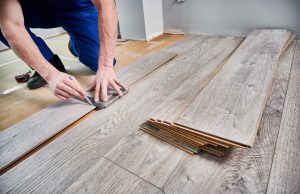
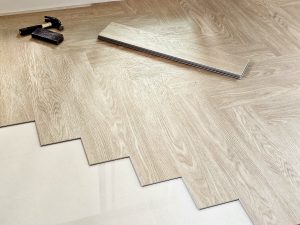
The installation process for vinyl flooring is streamlined and efficient, often requiring less time and specialised tools compared to other flooring options. When you’re considering vinyl flooring, you’ll encounter two primary installation methods: floating installation and adhesive methods.
Floating installation, commonly referred to as a click-lock system, involves interlocking planks or tiles that ‘float’ above the subfloor without the need for glue or nails. This method is advantageous for its simplicity and speed, making it a popular choice for DIY enthusiasts. You can install vinyl floating floors over most existing surfaces, reducing prep work and minimising downtime.
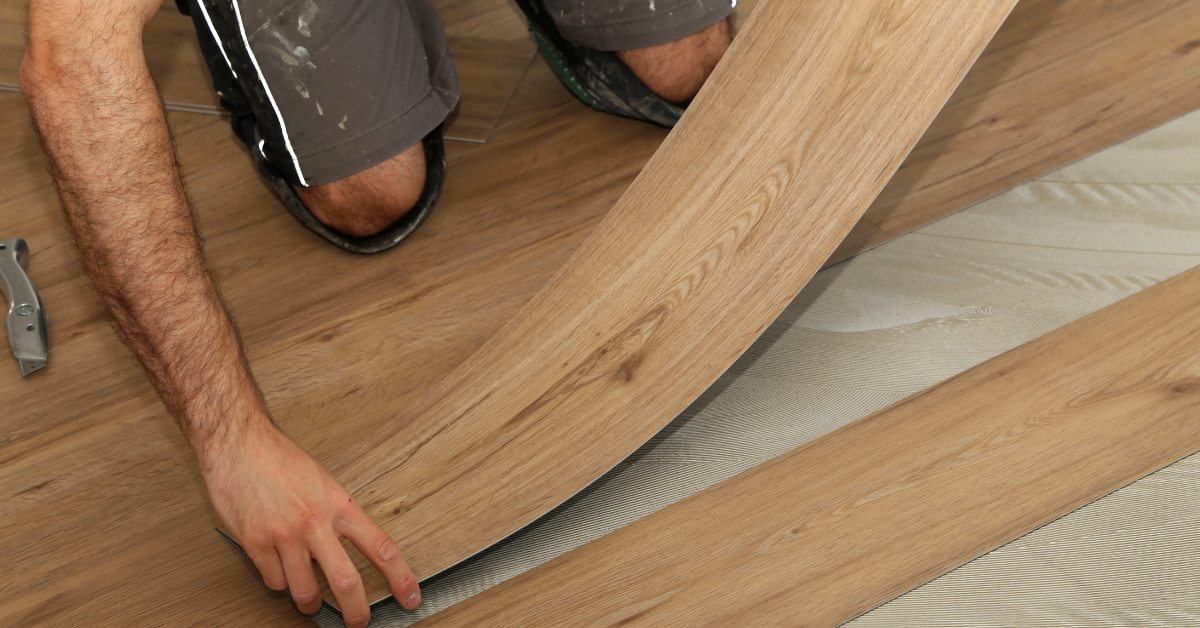
Adhesive methods, on the other hand, involve securing the vinyl directly to the subfloor using glue. There are two main types: full-spread adhesive and perimeter adhesive. Full-spread adhesive covers the entire underside of the vinyl, providing a more permanent and durable bond, ideal for high-traffic areas. Perimeter adhesive is used around the edges, allowing easier removal and replacement. While requiring more precision and time, adhesive methods ensure a solid, stable installation.
Both installation methods offer distinct advantages, allowing you to choose based on your specific needs, project scale, and skill level. With vinyl flooring, you get versatile, efficient installation options that cater to various scenarios.
Comfort and Feel
When evaluating the comfort and feel of vinyl flooring, you’ll find that its multi-layer construction provides a cushioned, resilient surface ideal for both residential and commercial spaces. The top wear layer, often made from urethane, offers durability, while the core layers offer a blend of firmness and flexibility.
Vinyl flooring excels in temperature insulation, maintaining a comfortable ambient temperature underfoot regardless of seasonal changes. This feature makes it particularly appealing for installation in colder climates or draughty spaces. Additionally, the inherent flexibility of vinyl flooring contributes to noise reduction, as it absorbs sound rather than amplifying it like some harder surfaces.
Consider these key comfort features of vinyl flooring:
– Cushioned Underfoot: The multi-layer construction, including a foam or felt backing, creates a softer feel underfoot compared to harder surfaces like tile or hardwood.
– Temperature Insulation: Vinyl retains a consistent temperature, making it comfortable to walk on year-round.
– Noise Reduction: Its acoustic properties help minimise sound transmission, enhancing the overall quietness of a room.
– Resilient Surface: Vinyl’s ability to withstand heavy foot traffic without compromising comfort ensures long-lasting performance in high-use areas.
In essence, vinyl flooring combines durability with a comfortable, quiet, and temperature-regulated experience, setting it apart from many other flooring options.
Environmental Impact
Although vinyl flooring offers numerous practical benefits, its environmental impact raises significant concerns within the industry. One major issue is the production process, which involves the release of volatile organic compounds (VOCs) and other chemical emissions. These pollutants can contribute to indoor air quality problems and have broader environmental repercussions. Additionally, the lifecycle of vinyl flooring includes the use of non-renewable resources like petroleum, exacerbating its ecological footprint.
When you consider end-of-life disposal, vinyl flooring presents further challenges. Traditional vinyl isn’t biodegradable and generally ends up in landfills, where it can persist for centuries. However, there are emerging recycling practices aimed at mitigating this impact. Some manufacturers have begun implementing take-back programs to reclaim and recycle old vinyl flooring. Despite these efforts, the recycling infrastructure for vinyl remains underdeveloped compared to other materials like wood or linoleum.
Moreover, the inclusion of phthalates and other plasticizers in the vinyl composition raises additional environmental and health concerns. These substances can leach out over time, posing risks to both human health and ecosystems. Therefore, while vinyl flooring may offer durability and low maintenance, its environmental drawbacks are significant and warrant careful consideration.
Frequently Asked Questions
Is Vinyl Flooring Suitable for Homes With Pets?
Yes, vinyl flooring is suitable for homes with pets due to its scratch resistance and easy cleanup of pet accidents. Its durable wear layer protects against claws, while its waterproof properties make it ideal for mishaps.
Can Vinyl Flooring Be Used in Outdoor Spaces?
Imagine your outdoor space with vinyl flooring. But, can it handle the elements? Vinyl flooring offers weather resistance and UV stability, making it viable for outdoor use. However, extreme conditions may affect its longevity and performance.
Does Vinyl Flooring Affect Indoor Air Quality?
Yes, vinyl flooring can impact indoor air quality due to off gassing concerns. It’s essential to choose low-VOC options to minimise formaldehyde emissions, ensuring a healthier environment. Always verify certifications for reduced chemical emissions.
How Does Vinyl Flooring Perform in High-Traffic Areas?
Vinyl flooring’s impressive durability is evident, with a lifespan of up to 20 years in high-traffic areas. You’ll appreciate its low maintenance requirements, though durability concerns may arise if subjected to heavy, sharp objects.
Are There Noise Reduction Benefits to Using Vinyl Flooring?
Yes, you’ll find noise reduction benefits with vinyl flooring, especially if you use appropriate underlay options. A soundproof installation minimises impact noise and enhances acoustic insulation, making it a practical choice for quieter environments.
Conclusion
Coincidentally, choosing vinyl flooring means you’re not just saving money but also gaining durability, easy maintenance, and versatile aesthetics.
While hardwood and natural stone offer prestige, they come at a higher cost and maintenance burden.
Vinyl’s moisture and scratch resistance make it ideal for high-traffic areas, and the installation is a breeze compared to more labour-intensive options.
In the end, vinyl flooring strikes a perfect balance of cost-efficiency, resilience, and style, making it a superior choice for many homeowners.