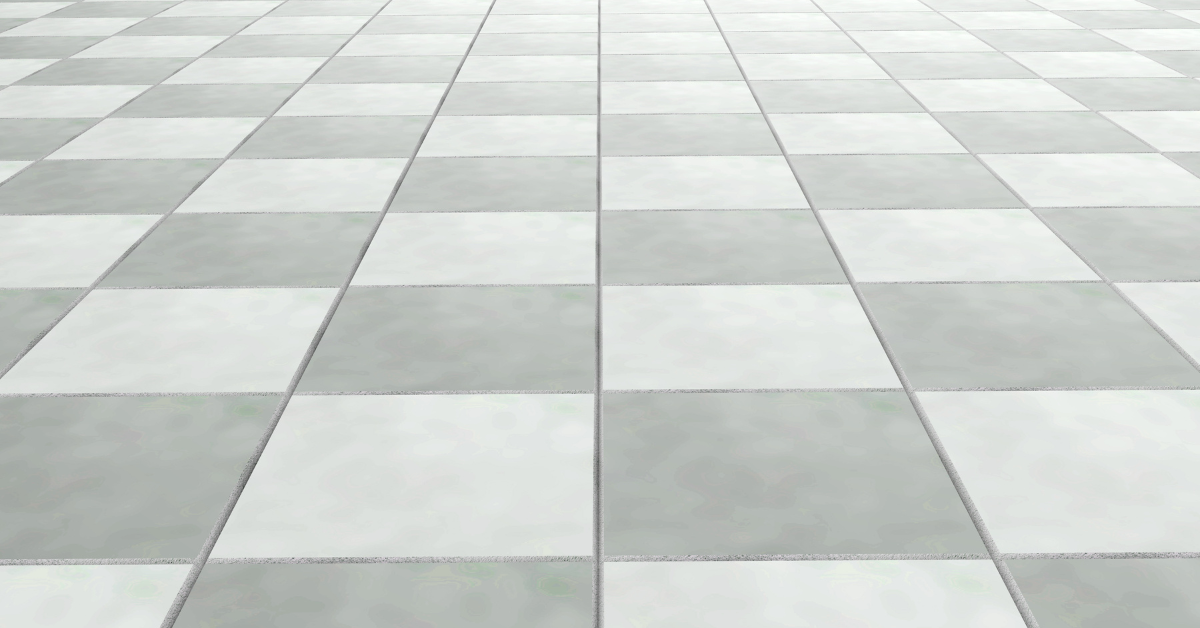

Imagine your floor as the canvas of your home, where each type of flooring paints a different picture of durability, cost, and maintenance. You might wonder how ceramic tiling measures up against options like hardwood, carpet, and vinyl. It’s not just about the initial investment; the long-term value and upkeep play vital roles too. Ceramic tiles offer resistance to stains and moisture, which makes them a strong contender for high-traffic areas. Curious about how they compare regarding aesthetics and environmental impact? There are several aspects to reflect on before making your final decision.
Key Takeaways
– Durability: Ceramic tiles offer superior wear and water resistance, ideal for high-traffic and moisture-prone areas compared to many flooring options.
– Cost Efficiency: While the initial cost is mid-range, ceramic tiles provide long-term value due to their durability and minimal maintenance requirements.
– Maintenance: Ceramic tiles are easier to maintain than carpet and hardwood, requiring regular sweeping and occasional mopping to retain their appearance.
– Aesthetic Versatility: Wide range of colours, patterns, and finishes allows ceramic tiles to replicate natural materials and enhance various design aesthetics.
– Environmental Impact: Although energy-intensive to produce, ceramic tiling’s long lifespan and potential for recycling make it more sustainable than some other flooring choices.
Durability
When evaluating the durability of ceramic tiles, you’ll find that their inherent hardness and resistance to wear make them a superior choice for high-traffic areas. Ceramic tiles are manufactured under high temperatures, resulting in a dense and durable surface. This process greatly contributes to their impressive scratch resistance, ensuring that the tiles maintain their appearance even with constant use.
Moreover, the water resistance of ceramic tiles is another key factor in their durability. The glazed surface of ceramic tiles prevents water penetration, making them ideal for areas prone to moisture, such as bathrooms and kitchens. This water-resistant property also helps in maintaining the structural integrity of the tiles, preventing issues like warping or expansion that can occur with other flooring materials.
Additionally, ceramic tiles are resistant to most stains and chemicals, further enhancing their durability. This makes them not only a long-lasting option but also a low-maintenance one.
When you consider these attributes, it becomes clear that ceramic tiles offer a robust solution for flooring in both residential and commercial environments. They combine scratch resistance and water resistance in a way that few other materials can match, ensuring longevity and sustained aesthetic appeal.
Cost
Evaluating the cost of ceramic tiles requires a detailed examination of both the initial purchase price and the long-term value they provide. When reflecting on budget considerations, ceramic tiles often present a mid-range option.
The initial cost per square foot can vary widely, depending on factors like tile quality, design complexity, and brand. Generally, you might find ceramic tiles priced between $2 to $15 per square foot, which places them between more economical options like vinyl and more premium choices like natural stone.
Installation costs also play a significant role in your budget. Professional installation can range from $4 to $32 per square foot, influenced by labour rates in your area and project complexity.
While this might seem steep initially, it’s essential to evaluate ceramic tiling as a long-term investment. Ceramic tiles are renowned for their durability, often lasting 20 years or more with minimal wear and tear. This longevity can offset higher upfront costs by reducing the need for frequent replacements, contributing positively to your overall budget considerations.
Maintenance
Maintaining ceramic tiles is relatively straightforward, requiring regular sweeping and occasional mopping to preserve their appearance and integrity.
You’ll find that ceramic tiles are less demanding compared to other flooring options, like carpet or hardwood. The primary cleaning techniques involve sweeping with a soft-bristle broom to remove loose dirt and debris, followed by mopping with a mild detergent solution.
For more stubborn stains, a mixture of water and vinegar or a specialised tile cleaner can be used. It’s advisable to avoid harsh chemicals, as they might damage the tile’s glaze. The upkeep frequency for ceramic tiles generally involves daily sweeping in high-traffic areas and weekly mopping to maintain their lustre.
Grout lines may require special attention. Over time, they can accumulate dirt and grime, making them look dingy. A grout cleaner or a mixture of baking soda and water, applied with a small brush, can effectively address this issue.
Sealing the grout annually can also minimise staining and reduce the need for intensive cleaning.
Aesthetic Appeal
Ceramic tiles offer versatile design options, allowing you to customise your space with a wide range of colours, patterns, and finishes. This design versatility makes ceramic tiling an attractive option for homeowners and designers alike. You can select from an extensive palette of colour variations, enabling you to match or contrast your flooring with the existing décor seamlessly.
Whether you’re aiming for a modern, minimalist look or a more traditional aesthetic, ceramic tiles can fulfil those needs. The ability to mix and match tiles means you can create intricate patterns, mosaics, or even a uniform, sleek surface. Additionally, ceramic tiles come in various finishes such as matte, glossy, or textured, providing further customisation to suit your specific requirements.
The wide range of options allows you to achieve the exact look you desire, whether it’s replicating the appearance of natural stone, wood, or even metallic surfaces. Moreover, ceramic tiles maintain their colour over time, resisting fading from sunlight and heavy use. This guarantees your flooring remains vibrant and visually appealing for years.
Installation Process
While the aesthetic appeal of ceramic tiles is undeniable, understanding the installation process is equally important to guarantee a successful outcome.
First, proper subfloor preparation is essential. You need to make certain the subfloor is clean, dry, and level. Any imperfections can lead to issues like tile cracking or uneven surfaces. For concrete subfloors, patch any cracks and allow them to dry completely. For wooden subfloors, make sure they’re sturdy and consider installing a cement backer board for added stability.
Next, adhesive selection is critical for the longevity and durability of your ceramic tiles. You must choose an adhesive compatible with both your subfloor and tile type. For most ceramic tiles, a polymer-modified thin-set mortar is recommended due to its strong bonding properties. Apply the adhesive evenly using a notched trowel to provide proper adhesion and prevent future tile movement.
After laying the tiles, allow the adhesive to set as per the manufacturer’s instructions before proceeding with grouting. Incorrect adhesive selection or poor subfloor preparation can lead to costly repairs down the line, so take the time to get these steps right.
A meticulous installation process guarantees your ceramic tiles will be a long-lasting and beautiful addition to your space.
Environmental Impact
Evaluating the environmental impact of ceramic tiles involves considering factors such as raw material extraction, manufacturing processes, and end-of-life disposal. Let’s break down these aspects to give you a clearer picture of their sustainability practices.
- Raw Material Extraction: Ceramic tiles are primarily made from natural clay, a plentiful resource. However, the extraction process can lead to habitat disruption and soil erosion. Sustainable mining practices are essential to minimise these effects.
- Manufacturing Process: The production of ceramic tiles is energy-intensive, requiring high temperatures for firing. This results in significant carbon emissions. Manufacturers are increasingly adopting sustainability practices, such as using renewable energy sources and recycling waste materials, to reduce their environmental footprint.
- End-of-Life Disposal: Ceramic tiles are durable but not biodegradable. When they reach the end of their useful life, they often end up in landfills. However, they can be repurposed or recycled into new tiles or other materials, reducing waste.
- Lifespan and Maintenance: Ceramic tiles have a long lifespan and require minimal maintenance. This reduces the need for frequent replacements, conserving resources over time.
Frequently Asked Questions
Can Ceramic Tiles Be Used in Outdoor Spaces?
Yes, you can use ceramic tiles in outdoor spaces. Their durability withstands weather conditions, and they offer significant aesthetic appeal. Make certain you select tiles designed for outdoor use to maximise performance and longevity.
Are Ceramic Tiles Suitable for Homes With Pets?
Imagine your home as a fortress against pet messes. Ceramic tiles offer pet friendly features like scratch resistance and easy cleaning. For maintenance, use non-toxic cleaners and seal grout lines to keep your floors pristine.
What Are the Slip-Resistance Properties of Ceramic Tiles?
You need to evaluate ceramic tiles’ slip ratings and texture variations. Some tiles have higher slip resistance due to specific textures or coatings. Always check the manufacturer’s slip rating to guarantee safety in wet or high-traffic areas.
How Does Ceramic Tile Affect Indoor Air Quality?
Ceramic tile positively impacts indoor air quality. It emits no harmful chemicals and requires minimal maintenance. With ceramic emissions being virtually non-existent, you guarantee a healthier living environment by choosing this flooring option.
Are There Any Health Considerations With Ceramic Tiling?
When considering ceramic tile, you should note that it poses minimal health risks. It’s non-toxic, hypoallergenic, and doesn’t harbour allergens. Confirm proper installation and maintenance to avoid issues like mould or mildew growth.
Conclusion
Think of your flooring choice as a steadfast guardian.
Ceramic tiling, like an unwavering sentinel, stands resilient against time and wear, unlike carpets that falter or hardwoods that warp.
While initially pricier, it offers enduring value, demanding little upkeep.
Its ability to mimic nature’s beauty guarantees your space remains elegant and functional.
When compared to other flooring options, ceramic tiles emerge as the vigilant protector, balancing durability, aesthetics, and practicality, safeguarding your investment for years to come.