

When you’re choosing the right flooring for a school, safety and durability should be your top priorities. You need to assess foot traffic levels and evaluate safety standards to guarantee the flooring meets essential criteria. Durable materials like vinyl or rubber are often ideal, but you can’t overlook slip-resistance and compliance with safety certifications. Your decision should also consider budget constraints, maintenance needs, and aesthetic appeal. Proper installation and surface preparation are fundamental too. So, how do you balance all these factors effectively? Let’s explore the key elements that can guide your decision-making process.
Key Takeaways
– Assess foot traffic levels and user demographics to select appropriate materials for each school area.
– Verify flooring materials have safety certifications and comply with local and national building codes.
– Choose durable materials like vinyl or rubber to withstand wear and tear and ensure long-term value.
– Evaluate maintenance and cleaning needs to prevent slips and maintain safety.
– Ensure flooring aesthetics complement the school’s design and create an inviting learning environment.
Assessing Foot Traffic Levels
When choosing the right flooring for a school, it’s crucial to assess foot traffic levels accurately. Start by analysing the traffic patterns within different areas of the school. High-traffic zones such as hallways, cafeterias, and main entrances will experience more wear and tear compared to classrooms and administrative offices. Observing these patterns helps in selecting flooring materials that can withstand heavy use and reduce maintenance costs.
Next, consider the user demographics. Elementary schools might’ve a different dynamic compared to high schools. Younger children often run and play more, which requires flooring that’s both durable and slip-resistant. On the other hand, high school students may need surfaces that can handle heavier foot traffic but also support the use of furniture like lab tables and chairs.
Conduct surveys or consult with school staff to gather data on daily foot traffic. This information will guide you in choosing materials like vinyl, rubber, or carpet tiles that cater to the specific needs of each area.
Evaluating Safety Standards
Before finalising your school flooring choice, evaluating safety standards is paramount. You need to guarantee the flooring meets all necessary regulatory compliance requirements.
Start by checking if the flooring materials have safety certifications from recognized agencies. These certifications often ensure that the product has undergone rigorous testing for factors like slip resistance, fire safety, and toxicity levels.
Next, explore local and national building codes to confirm the flooring aligns with these standards. Schools have unique safety needs, including minimising trip hazards and guaranteeing the flooring can withstand heavy foot traffic without deteriorating. Ensuring compliance with these codes not only enhances safety but also reduces liability risks.
Additionally, consult with flooring manufacturers and suppliers about their safety testing protocols. Ask for documentation that proves their products meet or exceed industry standards. This can include certificates or test results from independent laboratories.
Considering Material Options
Carefully selecting the right material for school flooring often greatly impacts both safety and durability. You should consider vinyl, rubber, linoleum, and carpet tiles as your primary options.
Vinyl flooring is popular due to its affordability and ease of maintenance, but you need to verify it meets slip-resistant standards to prevent accidents. Rubber flooring is excellent for high-traffic areas because of its resilience and shock-absorbent properties, contributing to material longevity.
If you’re looking for an eco-friendly choice, linoleum stands out. Made from natural materials like linseed oil and wood flour, it’s biodegradable and has a lower environmental impact. However, it requires regular maintenance to retain its appearance and functionality.
Carpet tiles are ideal for spaces where noise reduction is critical, such as libraries and classrooms, but they need to be stain-resistant and easy to replace to maintain hygiene.
When considering these options, balance their strengths with the specific needs of your school environment. Factor in the anticipated foot traffic, potential for spills, and required ease of cleaning.
Prioritising Durability
Choosing the right material for your school’s flooring is only part of the equation; prioritising durability assures long-term value and safety for your investment. Durable flooring can withstand heavy foot traffic, minimise wear and tear, and reduce the frequency of costly repairs or replacements.
When selecting durable options, consider materials that also offer considerable environmental impact benefits and noise reduction properties.
To ascertain you’re choosing the most durable flooring, keep these factors in mind:
– Material resilience: Opt for materials like vinyl or rubber, which are known for their durability and resistance to scratches, dents, and stains. These options also tend to have a lower environmental impact compared to traditional choices.
– Noise reduction properties: Durable flooring should also contribute to a quieter learning environment. Materials with sound-absorbing qualities, such as cork or carpet tiles, can greatly reduce noise levels, enhancing concentration and learning outcomes.
– Sustainability: Look for flooring products with certifications for low VOC (volatile organic compounds) emissions, recycled content, and sustainable manufacturing processes. These options not only assure longevity but also promote a safer, healthier school environment.
Maintenance and Cleaning Needs
Maintaining and cleaning school flooring is essential for ensuring its longevity and safety. To achieve this, you need to evaluate several factors, including cleaning frequency and maintenance cost. Different flooring materials have varying requirements. For instance, vinyl and linoleum typically need regular sweeping and mopping, while carpeted areas may require frequent vacuuming and periodic deep cleaning.
You should establish a cleaning schedule that aligns with the level of foot traffic in each area. High-traffic zones like hallways and cafeterias might need daily cleaning, whereas classrooms could be maintained with less frequent but still consistent cleaning routines. This helps not only in preserving the floor’s appearance but also in preventing slips and falls, thereby enhancing safety.
Maintenance costs are another critical evaluation. Some flooring options, like polished concrete, may have higher upfront costs but lower long-term maintenance expenses. In contrast, carpet might be cheaper initially but often incurs higher maintenance costs over time due to the need for specialised cleaning equipment and periodic replacement.
Budget and Cost Analysis
Evaluating your school’s budget and conducting a thorough cost analysis are vital steps in selecting the right flooring. You need to look beyond the initial costs and consider the long term investment.
Start by reviewing the flooring lifespan. Will it last through years of student traffic and activities? Balancing quality and cost is key to making a smart decision.
To make the best choice, consider these points:
– Initial installation costs: Factor in not just the price of the flooring material but also the expenses associated with installation.
– Maintenance costs: Some flooring options may have lower initial costs but require frequent and expensive maintenance.
– Replacement costs: A longer flooring lifespan means you won’t need to replace it as often, saving money over the years.
When planning your budget, it’s essential to get detailed quotes from multiple suppliers.
Compare warranties and consider the total cost of ownership over the flooring’s lifespan. Don’t forget to account for any potential disruptions during installation or maintenance.
Aesthetics and Design
When selecting school flooring, aesthetics and design play an essential role in creating an inviting and conducive learning environment. You need to take into account how the flooring will complement the overall colour schemes of the school. For instance, bright and vibrant colours can energise younger students in elementary schools, while more subdued tones might be suitable for high school settings. By aligning the flooring with the existing visual appeal, you guarantee a cohesive and pleasant atmosphere.
Different areas within the school may require distinct designs. Classrooms benefit from neutral tones that reduce distractions, while common areas like hallways and cafeterias can incorporate more dynamic patterns and colours to foster social interaction. Additionally, using contrasting colour schemes can aid in wayfinding, helping students and staff navigate the building more easily.
Durability shouldn’t compromise design. Modern flooring materials offer a wide range of styles without sacrificing resilience. Vinyl, for example, comes in numerous patterns and hues, providing both aesthetic value and robust performance.
To maintain visual appeal over time, opt for materials that are easy to clean and resistant to wear and tear. This way, you’ll guarantee a lasting, attractive, and functional learning environment.
Installation Process
While aesthetics and design greatly impact the learning environment, the installation process is equally important to guarantee the flooring’s longevity and functionality. Proper installation techniques make certain that your flooring stands up to daily wear and tear, maintaining safety and durability over time.
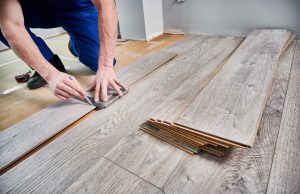
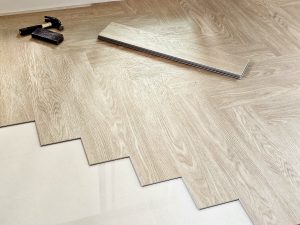
Paying close attention to surface preparation is vital. You’ll need to make sure that the subfloor is clean, dry, and level before beginning any installation. This helps prevent future issues like bubbling, warping, or uneven wear.
Different flooring types have specific installation requirements. For instance, vinyl flooring often requires adhesive application, whereas interlocking rubber tiles might simply snap together. Hiring professionals who are knowledgeable about the particular installation techniques for your chosen flooring type can make a significant difference.
Consider these key points to make certain of a successful installation:
– Surface Preparation: Thoroughly clean, dry, and level the subfloor.
– Professional Expertise: Use installers experienced with your specific flooring type.
– Adherence to Guidelines: Follow manufacturer’s installation guidelines to avoid voiding warranties.
Frequently Asked Questions
How Does School Flooring Affect Indoor Air Quality?
You’ve got to take into account flooring materials because they greatly impact air quality. Choose low-emission options that don’t release harmful chemicals. This guarantees a healthier environment for students and staff, reducing allergies and respiratory issues.
Can School Flooring Contribute to Noise Reduction?
Yes, school flooring can contribute to noise reduction. By focusing on material selection with excellent acoustic properties, you’ll create a quieter learning environment, reducing distractions and promoting better concentration for students and teachers alike.
What Are the Environmental Impacts of Different School Flooring Materials?
Imagine the ripple effect of your decision: life cycle extends from material sourcing to disposal. Opt for flooring sourced sustainably to minimise environmental impact and choose options with a longer life cycle to reduce waste.
Are There Flooring Options That Support Sustainable Practices?
Yes, there are eco-friendly materials like bamboo and recycled rubber that offer long-lasting solutions. You should prioritise options with low VOC emissions and certifications like LEED to guarantee both sustainability and durability in your school flooring.
How Does the Choice of Flooring Impact Heating and Cooling Efficiency?
Thoughtful thermal insulation greatly influences heating and cooling efficiency. You’ll see substantial savings on energy consumption with the right flooring. Choose materials that maintain temperature stability, reducing reliance on HVAC systems and enhancing overall energy efficiency.
Conclusion
Choosing the right school flooring is like finding the perfect dance partner for your students’ daily routines. You’ve assessed foot traffic, guaranteed safety standards, and considered materials that mirror durability. By weighing maintenance needs, budget, and aesthetics, and guaranteeing proper installation, you’re setting the stage for a safe, long-lasting environment. Just as a sturdy foundation supports a grand castle, your meticulous planning will create a secure and welcoming space for learning to flourish.