
Imagine walking into a room, the warm glow of sunlight reflecting off polished wooden floors, creating an inviting and serene atmosphere. You’ve probably thought about how this could enhance the aesthetic of your home, but have you considered its impact on your home’s air quality?
Wooden floors are not just a visually appealing choice; they might also play an important role in maintaining a healthier indoor environment. As you explore the intricate relationship between flooring and air purity, you’ll find compelling reasons to appreciate the advantages wooden floors could offer over their carpeted counterparts, especially in the area of air quality.
Stay with us as we uncover whether wooden floors can truly contribute to a fresher, cleaner home environment.
Key Takeaways
– Wooden floors emit lower levels of VOCs, contributing to better indoor air quality.
– They minimise exposure to allergens, making them beneficial for health and well-being.
– Routine maintenance of wooden floors, like regular cleaning, helps maintain air purity.
– Compared to carpets, wooden floors are easier to clean and harbour fewer pollutants.
Understanding Indoor Air Quality
Before diving into the benefits of wooden floors, it’s important to grasp how indoor air quality directly impacts your health and well-being. Indoor air quality refers to the condition of the air within and around buildings and structures, especially as it relates to the health and comfort of building occupants. Understanding the factors that influence indoor air quality is essential. Key among these are pollution sources and ventilation systems.
Pollution sources inside your home can range from the important, like cigarette smoke and cooking fumes, to the less apparent, such as volatile organic compounds (VOCs) emitted from paints, furniture, and cleaning products. These pollutants can significantly degrade indoor air quality if not properly managed.
On the other hand, ventilation systems play an important role in maintaining a healthy indoor environment. They do this by replacing stale indoor air with fresh outdoor air, thereby reducing the concentration of pollutants inside your home. Adequate ventilation is particularly important in modern homes, which are built to be more airtight for energy efficiency, as it helps to assure that air circulates properly, preventing the buildup of pollutants and contributing to overall better indoor air quality.
The Role of Flooring in Air Purity
Understanding the importance of indoor air quality sets the stage for examining how different flooring options, particularly wooden floors, can have a substantial impact on air purity in your home. Flooring materials play an important role in either harbouring pollutants or enhancing air purification methods. Whereas carpets can trap dust, dander, and other allergens, contributing to a deterioration of indoor air quality, wooden floors offer a stark contrast.
Wooden floors don’t harbour allergens to the same extent as carpets and are easier to clean, reducing the presence of particles that can pollute your home’s air. Additionally, some flooring materials can emit volatile organic compounds (VOCs), which are harmful to health. These emissions can occur in both the production process and as a result of certain cleaning products interacting with the material. Wooden floors, especially those treated with natural finishes, emit much lower levels of VOCs, making them a safer option for your home’s air quality.
Incorporating air purification methods alongside the choice of flooring is essential for maintaining the best air quality. Ventilation and regular cleaning are more effective with wooden floors, ensuring pollutants are minimised, and the air in your home remains clean and healthy.
Advantages of Wooden Floors
Wooden floors not only enhance your home’s aesthetic appeal but also offer significant health and environmental benefits, making them an ideal choice for improving indoor air quality. Unlike other flooring types, wood doesn’t harbour allergens, dust mites, or mould, which are common triggers for allergies and respiratory problems. By opting for wooden floors, you’re basically minimising your exposure to these irritants, thereby ensuring cleaner, healthier air circulates within your living space.
Additionally, wooden floors are sustainable and eco-friendly. They’re made from natural materials, which means they’ve a lower carbon footprint compared to synthetic flooring options. This aspect not only contributes to a healthier planet but also aligns with the growing preference for green living practices among homeowners.
However, it’s important to take into account installation costs, which can be higher for wooden floors than other materials. But, this initial investment pays off in the long run through durability and ease of maintenance. Unlike carpets, which require regular deep cleaning, wooden floors can be kept in pristine condition with simple sweeping and occasional mopping.
Comparing Wooden and Carpeted Floors
When considering home renovation options, comparing wooden to carpeted floors reveals significant differences in air quality, maintenance, and long-term costs. Wooden floors are often praised for their durability and ease of cleaning, which directly contributes to better air quality. Unlike carpet, which can harbour dust mites, pet dander, and other allergens, wooden floors don’t trap these particles, making them easier to remove with regular cleaning.
From a cost comparison perspective, initial installation of wooden flooring might seem more expensive than carpet. However, considering the longevity and lower maintenance costs of wood, it becomes a cost-effective choice in the long run. Carpeted floors, while initially cheaper, require frequent deep cleanings and have a shorter lifespan, leading to higher costs over time.
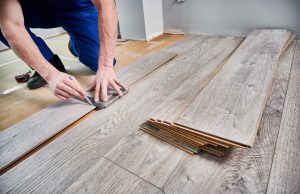
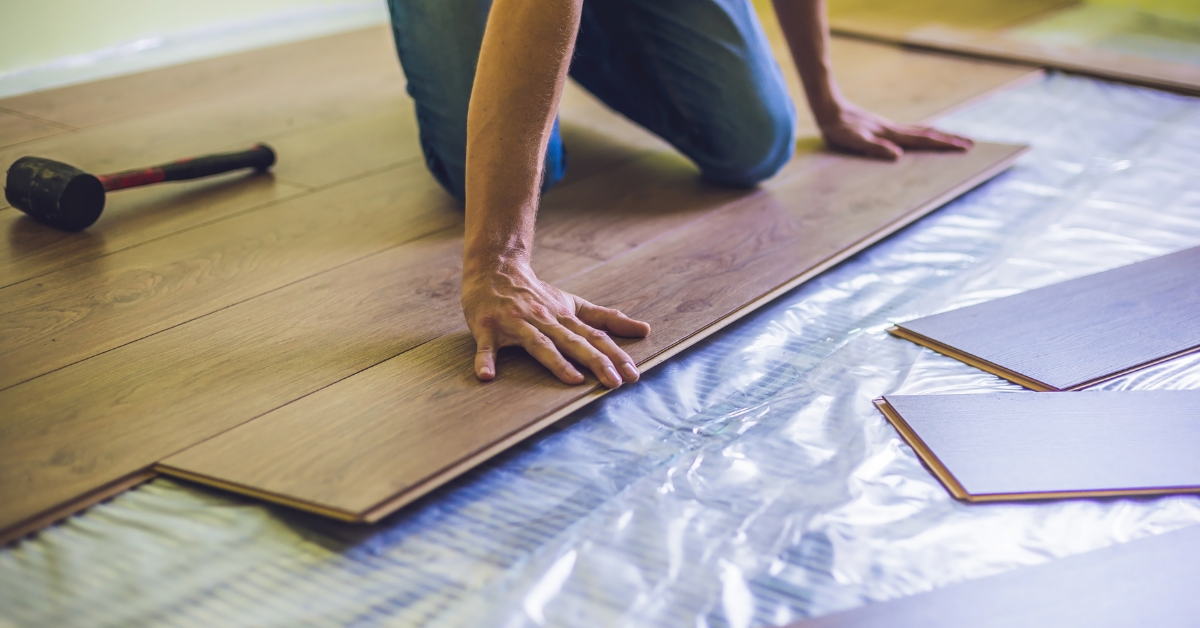
Installation difficulty varies between the two as well. Wooden floors can be challenging to install, requiring precise measurements and tools. Carpets, on the other hand, are less labour-intensive but may need professional fitting to avoid issues like wrinkling or unevenness.
Ultimately, if you’re aiming to improve your home’s air quality, wooden floors offer clear advantages over carpeted options, not just in maintaining a cleaner environment but also in overall cost-effectiveness and ease of maintenance in the long run.
Maintaining Wooden Floors for Air Quality
To guarantee your wooden floors continue to contribute positively to your home’s air quality, it’s important to adopt a routine maintenance schedule that includes regular cleaning and periodic refinishing. Floor finishes play a significant role in this scenario. They seal the wood, preventing the accumulation of dust, allergens, and microbes that can negatively impact air quality. Opting for low-VOC (Volatile Organic Compounds) finishes can further enhance your indoor air, as these substances emit fewer harmful chemicals compared to traditional finishes.
Humidity control is another essential aspect of maintaining wooden floors for better air quality. Wood is hygroscopic, meaning it absorbs and releases moisture based on the humidity in the environment. Too much moisture can lead to mould growth and increased allergen levels, while too little can cause the wood to crack and splinter, releasing particulate matter into the air. Using dehumidifiers in humid climates or humidifiers in dry conditions can help maintain an ideal level of humidity, ensuring your wooden floors remain a beneficial component of your home’s air quality system.
Regular, thorough cleaning, using appropriate tools and products, complements these measures by removing any particulates that do settle on the floor, keeping the air clean and healthy.
Frequently Asked Questions
How Do Different Types of Wood Finishes Affect Indoor Air Quality and Which Are Considered the Healthiest Options?
Different wood finishes affect indoor air quality due to their toxicity levels. Healthier options include those with low VOC emissions and sustainable sourcing practices, ensuring you’re not compromising air quality or the environment.
Can Installing Wooden Floors Have an Impact on the Overall Energy Efficiency of a Home, Especially Regarding Heating and Cooling Costs?
Yes, installing wooden floors can improve your home’s energy efficiency due to their insulation properties and seasonal adaptability, leading to lower heating and cooling costs. It’s a smart move for both your wallet and the environment.
How Does the Age of Wooden Floors Contribute to Indoor Air Quality, Especially in Historic Homes With Original Flooring?
You’ll find that the age of wooden floors greatly affects indoor air quality. Flooring preservation and maintaining historical authenticity in older homes can introduce unique challenges, especially when balancing modern living standards with conservation efforts.
Are There Specific Kinds of Wood That Are More Prone to Harbouring Allergens or Pollutants Compared to Others?
Yes, certain woods are more prone to harbouring allergies due to their durability and insect resistance. Woods like cedar and teak resist pests better, potentially reducing allergen accumulation compared to softer, more susceptible types.
How Do Wooden Floors Compare to Other Hard Flooring Options, Like Tile or Laminate, in Terms of Contributing to a Home’s Air Purity?
Wooden floors often outperform tile or laminate in air purity due to their lower VOC emissions. They’re costlier to install but easier to maintain, making them a smart choice for long-term indoor air quality improvement.
Conclusion
To sum up, you’ve seen how wooden floors can greatly enhance your home’s air quality compared to carpeted options.
A study found that homes with wooden flooring have up to 75% less dust and allergens than those with carpets.
This striking contrast highlights the importance of choosing the right flooring for not only aesthetic appeal but also for a healthier living environment.
By maintaining wooden floors properly, you’re investing in both the beauty and the well-being of your home.