
 If you are thinking about wood flooring for your home, you have probably come across the terms “solid” and “engineered” and wondered what they actually mean. Both look great, both are made from real wood, but they work in different ways and suit different homes.
This guide explains everything in plain language so you can make the right choice for your property in Kent.
What Is Solid Wood Flooring?
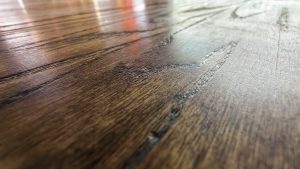
Solid wood flooring is exactly what it sounds like. Each plank is cut from a single piece of timber all the way through. There is no layering or core material underneath. It is the traditional choice and has been used in British homes for hundreds of years.
Because it is made from a solid piece of wood, it can be sanded back and refinished several times over its lifetime. A well-maintained solid wood floor can last for decades.
However, solid wood does react to changes in temperature and moisture. It can expand when it is warm and humid, and shrink when conditions are dry or cold. This means it needs to be fixed firmly to the subfloor, and it is not suitable for areas like bathrooms or kitchens where moisture levels are high.
What Is Engineered Wood Flooring?
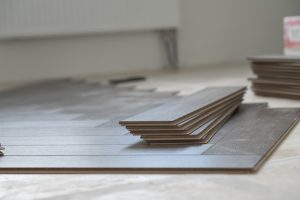
Engineered wood flooring has a thin layer of real hardwood on top (called the wear layer), which is bonded to several layers of plywood or high-density fibreboard underneath. The layers are stacked in different directions, which gives the board much greater stability.
The top surface looks identical to solid wood because it is real wood. The difference is on the inside. That layered construction means the board does not move as much when temperature or humidity changes.
This makes engineered wood a much better option for modern homes, homes with underfloor heating, and Kent’s older housing stock where subfloors may be uneven or slightly damp.
How Are They Made Differently?
| Feature | Solid Wood | Engineered Wood |
|---|---|---|
| Construction | One solid piece of timber | Real wood top layer over plywood core |
| Thickness | Typically 18mm to 22mm | Typically 12mm to 20mm |
| Can be sanded and refinished | Yes, multiple times | Yes, but fewer times (depends on wear layer) |
| Suitable for underfloor heating | Limited (check with supplier) | Yes, in most cases |
| Suitable for damp areas | No | Better suited, but not waterproof |
| Movement with temperature change | More movement | Much less movement |
| Typical cost | Higher | More affordable to similar price |
Which Is Better for Kent Homes?
Kent has a mix of property types. There are Victorian and Edwardian terraces, older farmhouses, new builds, and period cottages. Each type presents different challenges for flooring.
Older properties often have suspended timber subfloors that move slightly, or concrete floors that retain some moisture. Engineered wood handles both of these much better than solid wood, because it is more stable and less likely to warp or gap.
New builds with solid concrete floors and underfloor heating are also well suited to engineered wood, which is designed to cope with gentle, consistent warmth from below.
Solid wood works well in rooms with stable temperatures and good subfloor conditions. It is a good choice if you want a floor you can sand and refinish repeatedly over many years. It tends to suit formal rooms such as dining rooms and living rooms in period properties where the conditions are right.
If your home is typical of the Kent area, with an older subfloor or some variability in temperature and humidity, engineered wood is likely to be the more practical option.
Room-by-Room Guide
Living rooms and dining rooms suit both types. These rooms tend to have stable conditions, so solid wood is an option here if the subfloor is suitable. Engineered wood works equally well and gives you more flexibility.
Bedrooms are well suited to both types. The lower foot traffic and stable environment mean either option will perform well over the long term.
Hallways see more foot traffic and wider temperature swings near the front door. Engineered wood is the safer bet here because it is more resistant to movement.
Kitchens and utility rooms are not ideal for solid wood due to steam and moisture. Engineered wood is a better choice, though neither type should be used in areas that get regularly wet underfoot.
Bathrooms are generally not recommended for either type of wood flooring.
Maintenance and Care
Both types of wood flooring are relatively easy to look after. The main rules are the same for both:
- Sweep or vacuum regularly to remove grit and dirt that can scratch the surface.
- Wipe up any spills quickly.
- Use a damp mop rather than a wet one.
- Avoid harsh cleaning products that can strip the finish.
Over time, both types can be refreshed. Solid wood can typically be sanded back several times throughout its life. Engineered wood can usually be lightly sanded once or twice, depending on how thick the top wear layer is.
If your existing floor is looking tired and worn rather than needing full replacement, it is worth looking at our floor sanding and renovation service, which can bring older wood floors back to life without the cost of fitting new boards.
Cost Differences
Solid wood flooring is generally more expensive to buy, though prices vary widely depending on the species of wood and the grade. Oak is the most popular choice and is available at a range of price points.
Engineered wood can be more affordable at the entry level, and at the higher end it matches solid wood in both price and quality. Because it is easier to install in more situations, it can also reduce fitting time and costs.
When budgeting, factor in the cost of fitting, any subfloor preparation work, and underlay. It is a good idea to calculate how much material you need before getting quotes. You can use our measuring guide to work out how much flooring your room requires.
Which Should You Choose?
For most homeowners in Kent, engineered wood flooring is the most practical and versatile choice. It handles the variety of subfloor conditions common in Kent homes, works with underfloor heating, and still gives you a genuine hardwood finish.
Solid wood is a great option if you are working on a period property with good subfloor conditions and want a traditional floor that can be heavily sanded and refinished over many decades.
Either way, choosing responsibly sourced timber matters. Look for flooring that carries FSC certification, which shows the wood comes from sustainably managed forests. The Forestry Commission explains the importance of sustainable hardwood sourcing, including how UK-grown hardwood can be used for flooring products.
Talk to Our Team
Not sure which option is right for your home? Our team has years of experience fitting both solid and engineered wood floors across Kent, and we are happy to talk through your project and give honest advice.
Get in touch with Kent Flooring UK today.