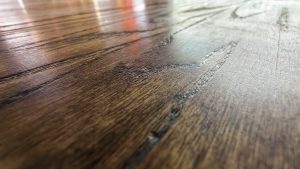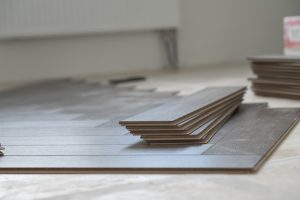


Imagine you’ve just spent a weekend installing a beautiful hardwood floor, only to discover uneven surfaces and gaps between the planks. This scenario is all too common among DIY enthusiasts who underestimate the complexities of floor installation. You might think you’re saving money, but mistakes like incorrect measurements and poor material choices can lead to costly repairs. Professional installers have the expertise and tools to guarantee a flawless finish. So, before you grab that toolkit, consider what could go wrong and the benefits of leaving it to the experts. What other pitfalls might you avoid with professional help?
Key Takeaways
- Professional installation ensures precise measurements, minimizing material waste and preventing gaps or misalignments.
- Experts select durable materials suited to environmental conditions, reducing premature wear and maintenance.
- Proper subfloor preparation by professionals prevents uneven surfaces and structural issues.
- Professionals use specialized tools for accurate, efficient, and safe floor installation.
- Moisture barriers installed by experts protect against warping and mould, ensuring long-lasting flooring.
Uneven Floor Surfaces
Uneven floor surfaces frequently pose both safety and aesthetic challenges in various environments. When you encounter these irregularities, you’re not just dealing with an eyesore; it’s a potential hazard. Trip-and-fall incidents are significantly common on uneven surfaces, leading to possible injuries.
To mitigate such risks, you need to understand the underlying causes, which often relate to subfloor imperfections or improper flooring materials. When evaluating your flooring, scrutinize for signs such as gaps, height variations, or warping. These issues can stem from moisture intrusion, inadequate underlayment, or incorrect installation techniques.
As a proactive measure, always verify the substrate is completely level before proceeding with installation. Utilize tools like a laser level or straightedge to confirm uniformity.
From a technical standpoint, addressing unevenness requires precision and expertise. Incorporating a high-quality self-levelling compound can rectify minor deviations, while more significant disparities might necessitate professional intervention.
Incorrect Measurements
Precision in measuring your floors is essential for ensuring a seamless installation and avoiding costly material waste.
When measurements are inaccurate, not only do you risk purchasing excess or insufficient materials, but you also compromise the overall aesthetics and structural integrity of your floor.
Always use calibrated tools and double-check dimensions to maintain both safety standards and visual appeal.
Precision Ensures Perfect Fit
Getting the measurements right from the get-go is the cornerstone of a successful floor installation. When you’re laying down flooring, precision isn’t just a preference—it’s a necessity. Incorrect measurements can lead to gaps, uneven surfaces, and misalignment, undermining both the aesthetic and structural integrity of your space.
It’s vital to measure twice, using precise tools such as laser distance meters or calibrated tape measures, guaranteeing that every inch is accounted for in your calculations.
Begin by establishing a clear baseline through careful assessment of the room’s dimensions. Factor in elements like alcoves, doorways, and built-in furniture, which can complicate fitting if overlooked. Additionally, consider the expansion gap, a space around the perimeter that allows for material expansion and contraction due to temperature changes.
Safety is paramount during this process. Confirm your workspace is clear of obstructions and use appropriate personal protective equipment. Maintain a stable footing and use ladders or scaffolds safely to reach high areas.
Accurate measurements prevent costly adjustments and potential safety hazards later in the installation process.
Errors Lead to Waste
While precision in measurements sets the stage for a flawless floor installation, overlooking this essential step can result in significant waste. Incorrect measurements often lead to purchasing more materials than needed or cutting them incorrectly, causing both financial and material loss. As a professional, you’d know that precise calculations are vital to avoid excess waste, which ultimately impacts not just your budget but also the environment.
When you measure your space inaccurately, you risk ordering surplus flooring, which can’t always be returned. This miscalculation leads to unnecessary spending. Additionally, inaccurate cuts can render flooring pieces unusable, turning valuable materials into scrap.
Professional installers utilize advanced tools, like laser distance measurers and digital callipers, to guarantee exactness. These tools aren’t just about preventing waste; they also uphold safety guidelines by reducing the risk of repetitive cutting, which can lead to accidents.
Moreover, improper measurements can result in gaps or overlaps, necessitating further corrections. This increases labour time and costs. By understanding the intricacies of flooring measurements, you guarantee efficient use of resources and maintain safety standards, showcasing why professional expertise is indispensable.
Impacts Overall Aesthetics
Accurate measurements hold the key to a polished and seamless floor appearance, where even minor miscalculations can greatly impact overall aesthetics. When you overlook precision, you risk misaligned seams, uneven edges, and noticeable gaps, all of which compromise the visual harmony of your space.
In floor installation, even a quarter-inch discrepancy can lead to unsightly results, disrupting the intended design flow.
First, guarantee you use the correct tools for measurement. A professional-grade tape measure and laser level provide accuracy that’s essential for aligning tiles or planks. Incorrect measurements can cause cascading issues, such as tiles that don’t fit snugly against walls or door frames, leading to costly and time-consuming rework.
Consider the expansion gap, which accommodates natural material expansion due to temperature changes. Misjudging this can cause buckling or warping, affecting both aesthetics and structural integrity. It’s important to adhere to manufacturer guidelines regarding these tolerances.
Safety guidelines recommend double-checking all measurements before proceeding. Incorrect measurements can lead to additional material cuts, increasing the risk of injury.
Poor Material Selection
When selecting flooring materials, you must prioritize durability to guarantee long-term performance and safety.
Inadequate durability considerations can lead to premature wear, compromising the structural integrity and safety of your flooring.
Additionally, incorrect material measurements can result in costly waste and installation delays, highlighting the importance of precise calculations and expert consultation.
Inadequate Durability Considerations
Even the most meticulously installed flooring can fall short if the materials chosen lack durability. When selecting flooring materials, consider their wear resistance, tensile strength, and moisture tolerance. Opt for materials like high-grade hardwood, engineered wood, or luxury vinyl tile, which stand up to heavy foot traffic and resist scratches.
Avoid budget-friendly options that might compromise on quality and longevity, risking premature wear and costly repairs.
Think about environmental factors such as humidity and temperature fluctuations. For instance, wood tends to expand and contract, potentially leading to warping or gaps if not acclimated properly. Confirm the material you choose has been graded for its intended use environment, such as below-grade installations or areas with high moisture exposure like bathrooms.
Pay attention to safety standards, especially concerning slip resistance. Flooring with a high slip coefficient will reduce accident risks, a critical consideration in homes with children or elderly occupants.
Incorrect Material Measurements
One critical factor in guaranteeing a successful floor installation is precise material measurement. Misjudging dimensions can lead to significant issues, including wasted materials, increased costs, and compromised structural integrity.
When you measure inaccurately, you risk ordering insufficient flooring, leaving gaps that jeopardize the floor’s stability. Conversely, overestimating results in excess material, unnecessary expenditure, and potential tripping hazards due to uneven installation.
You must employ accurate measuring tools and techniques to guarantee precision. A laser measure or a high-quality tape measure can provide the exact dimensions needed for your space. Always verify the manufacturer’s specifications regarding material expansion and contraction, particularly with wood and laminate, which respond to humidity and temperature changes.
Furthermore, consider the subfloor type and room layout when calculating material requirements. Complex room shapes or non-standard subfloors necessitate additional material for cutting and fitting, guaranteeing proper alignment and adhesion.
Incorrect measurements can lead to poor material selection, affecting the floor’s longevity and safety. Inaccurate measurements not only waste resources but also compromise safety by creating potential slip and trip hazards.
Prioritise accuracy to achieve an installation that’s both aesthetically pleasing and structurally sound.
Lack of Proper Tools
In the domain of professional floor installation, the absence of proper tools can severely compromise the quality and safety of the project.
When you don’t have the right equipment, you risk uneven surfaces, poor adhesive bonds, and even personal injury. Proper tools not only guarantee precision but also enhance the efficiency and durability of the installation.
Here’s a list of essential tools you should have:
- Flooring Nailer: This tool is vital for securing wood planks firmly. It guarantees nails are driven at the correct angle and depth, preventing loose boards and floor squeaks.
- Moisture Meter: Before laying any flooring, you need to measure the moisture content accurately. This prevents future warping or buckling of the floor due to hidden moisture issues.
- Tile Cutter: For tile installations, a tile cutter provides clean and precise cuts, reducing the risk of cracked or uneven tiles, guaranteeing a seamless finish.
- Jamb Saw: This allows you to cut door frames and moldings to the correct height, guaranteeing that your flooring fits perfectly and maintains a professional appearance.
Equipping yourself with the right tools safeguards your project and guarantees it meets professional standards.
Inadequate Subfloor Preparation
Proper tools are just one part of the equation; guaranteeing the subfloor is prepared correctly is equally important. A poorly prepared subfloor can lead to various issues, including uneven surfaces, creaking noises, and even damage to the flooring material itself.
You need to start by removing any old adhesives, dirt, or debris. This guarantees a clean surface that allows for proper adhesion of new flooring materials.
Next, you should assess the subfloor for any structural weaknesses. Look for signs of moisture damage, warping, or rot. If any of these issues are present, they must be repaired before proceeding.
Moisture barriers might be necessary, especially in areas prone to dampness, to prevent future problems.
Levelling is another vital step. Use a levelling compound to address any dips or uneven spots. An unlevel subfloor can lead to gaps and buckling, compromising the integrity of your installation.
Always wear safety gear when handling chemicals or heavy tools, as they can pose health risks.
Improper Sealing Techniques
Sealing techniques play a critical role in the longevity and performance of your flooring installation. When you don’t seal your floors properly, you risk exposing them to moisture, dirt, and wear, which can lead to costly repairs or replacements.
To guarantee your flooring stands the test of time, avoid these common sealing mistakes:
- Insufficient Surface Preparation: Before applying any sealant, make sure the surface is clean, dry, and free of debris. Any contaminants can prevent the sealant from adhering properly, reducing its effectiveness.
- Improper Sealant Selection: Not all sealants are suitable for every type of flooring. Using the wrong sealant can lead to inadequate protection or even damage. Always choose a sealant that’s specifically designed for your flooring material.
- Inconsistent Application: An uneven application can leave parts of your floor exposed. Use even strokes and consistent pressure to guarantee uniform coverage. Overlapping each pass slightly ensures no areas are missed.
- Ignoring Manufacturer Guidelines: Every sealant comes with specific instructions regarding drying times and environmental conditions. Disregarding these guidelines can compromise the sealant’s performance and your floor’s durability.
Ignoring Moisture Barriers
Overlooking the importance of moisture barriers can lead to significant problems in floor installations. When you ignore this vital component, you’re risking the integrity of your flooring.
Moisture barriers serve as a protective layer against water vapour that can seep through subfloors, especially in basements or ground-level installations. Without them, moisture can cause warping, mould growth, and even structural damage over time.
Installing a proper moisture barrier requires understanding the specific needs of your chosen flooring material. For instance, hardwood and laminate are particularly vulnerable to moisture damage.
You’ll need to select barriers made from polyethene or specialized vapour-retardant materials to shield these types of floors effectively. Failure to do so can void warranties and lead to costly repairs.
Moreover, it’s essential to guarantee complete coverage and secure installation of the moisture barrier. Gaps or overlaps can render the barrier ineffective, allowing moisture to penetrate and compromise your flooring.
Safety guidelines recommend wearing protective gear when handling these materials to prevent irritation or allergic reactions. By prioritizing moisture barriers, you safeguard your investment and guarantee the longevity and performance of your flooring.
Skipping Professional Finishing
Skipping professional finishing can really undermine the quality and durability of your floor installation. Without expert finishing, you risk exposing your floors to premature wear, moisture ingress, and uneven surfaces.
Professional finishers apply specialized techniques and products to seal and protect your flooring, ensuring longevity and aesthetic appeal. Here’s why you shouldn’t skip professional finishing:
- Surface Protection: Professionals use high-quality sealants that offer robust protection against scratches, stains, and water damage. You might miss these critical protective layers with DIY attempts.
- Uniform Application: Achieving an even, flawless finish requires skill and precision. Professionals have the expertise to apply finishes uniformly, which prevents uneven surfaces that can lead to tripping hazards.
- Enhanced Aesthetics: A professionally finished floor boasts a polished look that enhances the overall aesthetics of your space. DIY finishes can result in streaks or dull patches that detract from your interior design.
- Safety Compliance: Professionals adhere to safety guidelines, using the correct protective gear and ventilation. DIY finishing without proper safety measures can expose you to harmful chemicals and fumes.
Frequently Asked Questions
How Can Professional Installers Help With Noise Reduction in Flooring?
You’re wondering about noise reduction in flooring, right?
Professional installers can expertly apply underlayment materials that dampen sound transmission. They’ll guarantee proper installation techniques, preventing gaps and loose fittings that amplify noise.
With their technical knowledge, they choose materials like cork or rubber, known for their acoustic properties.
Safety-wise, they prevent structural issues that could lead to noise problems, guaranteeing your flooring’s integrity and peak performance.
What Is the Impact of Flooring on Indoor Air Quality?
You mightn’t realize it, but flooring greatly impacts indoor air quality. Certain materials release volatile organic compounds (VOCs) that degrade air quality.
It’s essential to choose low-VOC or VOC-free options to guarantee a healthier environment. Professional installers can guide you in selecting and installing such materials safely, reducing exposure risks.
They also confirm proper sealing and ventilation, which minimizes chemical emissions, protecting your indoor air quality and overall health.
How Does Professional Installation Affect the Longevity of the Floor?
When you choose professional installation, the longevity of your floor greatly increases.
Experts guarantee precise measurements, proper subfloor preparation, and use of specialised tools, minimizing risks of moisture damage and uneven surfaces.
They adhere to manufacturer guidelines, preserving warranties and optimizing material performance.
Professionals also apply techniques that accommodate natural floor expansion and contraction, preventing premature wear.
This expertise directly contributes to your floor’s durability and long-term aesthetic appeal, safeguarding your investment.
Can Professional Installers Provide Eco-Friendly Flooring Options?
Absolutely, professional installers can offer eco-friendly flooring options.
They know the latest sustainable materials like bamboo and reclaimed wood, which have lower carbon footprints. They’ll guide you on VOC-free adhesives and finishes, ensuring indoor air quality stays safe.
By hiring experts, you avoid common missteps in eco-conscious installation, like improper sealing that could lead to moisture damage.
Trust their expertise to achieve an environmentally responsible and durable flooring solution.
What Role Does Professional Installation Play in Maintaining Floor Warranties?
When you have floors professionally installed, you’re ensuring that the manufacturer’s guidelines are meticulously followed, which is essential for maintaining warranties.
Installers have the technical expertise to meet precise specifications, reducing the risk of errors that could void warranties. They understand subfloor conditions, adhesive choices, and acclimation requirements.
If you go DIY, you might overlook critical steps, leading to potential issues and costly repairs, compromising both warranty and safety.
Conclusion
You might think you’re saving money with a DIY floor installation, but you could release a torrent of disasters. Imagine your floor resembling a roller coaster due to uneven surfaces or becoming a minefield of safety hazards from poor material choices. Without the precision of professional tools and expert sealing techniques, your floor’s lifespan plummets. Don’t gamble with your home’s safety and aesthetics—trust the experts to transform your space into a durable masterpiece.