

Did you know that 60% of homeowners prioritise durability when choosing kitchen flooring? It’s not surprising given the kitchen’s role as a high-traffic hub. But how do you balance durability with style? You might think ceramic tile is the go-to for its scratch and moisture resistance, yet hardwood’s natural charm is hard to ignore. Each option offers unique benefits and challenges. So, which flooring will best suit your needs while enhancing your kitchen’s aesthetic? Let’s explore further.
Key Takeaways
- Ceramic tiles provide scratch-resistant durability and a variety of aesthetic options, ideal for maintaining style in busy kitchens.
- Hardwood floors offer timeless elegance and increase home value, although they require careful maintenance to prevent moisture damage.
- Vinyl options deliver comfort and easy maintenance with diverse designs, making them suitable for high-traffic kitchen areas.
- Natural stone floors enhance home value and durability, with a unique aesthetic appeal, though they require regular sealing for longevity.
Ceramic Tile
When it comes to kitchen flooring choices, ceramic tile stands out as a superb option, offering both durability and style. You’ll appreciate how this material combines the ability to withstand heavy foot traffic with a range of aesthetic possibilities.
Ceramic tiles are crafted from natural clay, making them tough enough to resist scratches and dents. This resilience proves invaluable in a bustling kitchen, where spills and dropped utensils are common.
From a design perspective, ceramic tiles offer an impressive array of colours, patterns, and textures. Whether you’re drawn to sleek, modern styles or prefer a rustic, traditional feel, there’s a tile to match your vision.
Choose larger tiles for a seamless look or mix and match sizes for creative patterns that add visual interest to your space.
Installation and maintenance are straightforward, too. You’ll find ceramic tiles are relatively easy to install, and if a tile does chip or crack, replacing it is simple.
Regular sweeping and mopping keep them gleaming, and the non-porous surface resists stains and moisture, which is ideal for kitchens.
Ceramic tile’s blend of practicality and beauty makes it a top-tier choice for your kitchen floor.
Hardwood Floors
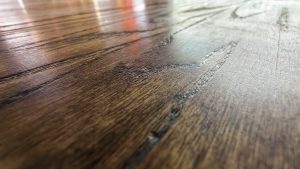
While ceramic tiles offer durability and style, hardwood floors bring a timeless elegance and warmth to kitchen spaces that few materials can match. If you’re considering hardwood for your kitchen, you’ll enjoy a classic look that integrates effortlessly with both modern and traditional designs.
Here’s why hardwood might be the perfect choice for your kitchen:
- Aesthetic Appeal: Hardwood floors come in a variety of grains and finishes, allowing you to tailor the look to suit your kitchen’s style. Whether you prefer oak’s rich texture or maple’s subtle charm, there’s an option that’ll elevate your space.
- Longevity: Properly maintained hardwood can last decades. Regular sealing and refinishing can keep it looking fresh and protect it from the wear and tear of a bustling kitchen.
- Comfort: Unlike tile, hardwood is softer underfoot, offering a more comfortable surface for long hours spent cooking or entertaining.
- Value Addition: Hardwood floors are a sought-after feature that can increase your home’s resale value, making it a smart investment.
Be mindful of moisture; verify spills are promptly wiped up to prevent damage.
With care, hardwood floors can transform your kitchen into a cosy and inviting hub.
Vinyl Choices
Plunge into the world of vinyl flooring, a versatile and resilient choice for any kitchen. When you’re looking for a balance between style and practicality, vinyl offers an impressive array of designs and finishes. It can mimic the look of wood, stone, or ceramic while providing durability that stands up to the rigours of a bustling kitchen.
Plus, with its water-resistant properties, vinyl is well-suited for the occasional spill or splash.
Here are four considerations to help you choose the perfect vinyl flooring:
- Variety of Styles: Vinyl comes in sheets, tiles, and planks. Each offers unique aesthetic possibilities, allowing you to match any kitchen theme effortlessly.
- Ease of Installation: With options like peel-and-stick tiles or click-lock planks, you can tackle the installation yourself. It’s a DIY-friendly option that saves time and money.
- Comfort Underfoot: Vinyl provides a softer, more cushioned feel compared to hard surfaces, making it comfortable for those long cooking sessions.
- Maintenance: It’s easy to maintain—just regular sweeping and occasional mopping will keep it looking fresh. Vinyl’s durability guarantees it withstands daily wear and tear.
Vinyl flooring combines style, comfort, and practicality, making it an ideal choice for your kitchen.
Natural Stone
Consider natural stone if you’re seeking flooring that offers timeless elegance to your kitchen.
While its beauty is unmatched, be prepared for regular maintenance to keep it looking its best and protect it from stains.
Keep in mind that natural stone can be a costly investment, but its durability and aesthetic appeal often justify the expense.
Timeless Elegance Option
Few materials can match the timeless elegance and durability of natural stone flooring in a kitchen. When you choose natural stone, you’re investing in a flooring option that not only stands the test of time but also adds unparalleled sophistication to your home.
With a range of colours, patterns, and textures, natural stone offers a unique aesthetic appeal that complements any kitchen style. Here’s why it might be the perfect choice for you:
- Variety of Options: From granite to marble to slate, each type of natural stone has its distinct look and feel. You can select a stone that aligns perfectly with your kitchen’s design.
- Durability: Natural stone is incredibly resilient, able to withstand heavy foot traffic and resist scratches and dents, ensuring your kitchen floor remains beautiful for years.
- Increased Home Value: Installing natural stone flooring can increase your home’s resale value. Its timeless appeal is a significant selling point that potential buyers will appreciate.
- Temperature Regulation: Stone floors can help regulate your kitchen’s temperature, staying cool in summer and warm in winter when paired with radiant heating.
Maintenance and Upkeep
Maintaining natural stone flooring in your kitchen demands a bit of diligence, but the results are well worth the effort. Natural stone, with its unique textures and colours, requires specific care to preserve its beauty.
First, seal your stone floor regularly. A high-quality sealant protects against stains from spills and the daily wear and tear of kitchen activities. Depending on the stone type, resealing might be necessary every 1-3 years.
When it comes to cleaning, use a pH-neutral cleaner specifically designed for natural stone. Avoid harsh chemicals as they can damage the surface. A soft mop or cloth is ideal for wiping away dirt and grime without scratching the stone.
It’s also important to clean up spills immediately to prevent staining, especially with acidic substances like lemon juice or wine.
To maintain the floor’s lustre, consider a routine of gentle sweeping or vacuuming with a soft brush attachment. This prevents abrasive dirt from scratching the surface.
Cost Considerations
Natural stone flooring, with its timeless elegance and unique character, can be a significant investment for your kitchen. When considering this option, it’s essential to evaluate the costs involved to make an informed decision.
Here’s what you should keep in mind:
- Material Costs: Natural stone types like marble, granite, and slate vary widely in price. Marble tends to be the most expensive, while slate can be more budget-friendly.
- Installation Expenses: Installing natural stone is labour-intensive and requires skilled professionals.
- Maintenance Costs: Natural stone requires regular sealing to maintain its appearance and durability. Factoring in the cost of sealant and professional services every few years is vital for budgeting.
- Long-Term Value: While the upfront costs are high, natural stone adds significant value to your home. Its durability and timeless appeal can enhance resale value, making it a wise long-term investment.
Balancing these cost considerations with the aesthetic benefits will help you decide if natural stone is the right choice for your kitchen.
Cork Flooring
Cork flooring’s unique blend of functionality and aesthetic appeal makes it an excellent choice for kitchens. As a sustainable option, cork offers a warm and inviting look that complements various kitchen styles, from modern to rustic.
Its natural resilience and cushioning underfoot provide comfort during long cooking sessions, reducing fatigue compared to harder surfaces. This eco-friendly material also boasts sound-dampening properties, making it ideal if you enjoy a quieter environment.
When considering cork flooring, think about its durability. Cork is naturally resistant to water, mould, and mildew, essential for the kitchen’s demanding environment.
However, it’s essential to seal it properly to enhance its moisture resistance. Regular maintenance is simple; just sweep and damp mop to keep it looking fresh.
For installation, you can choose between glue-down tiles or floating planks, both offering straightforward DIY potential.
It’s vital to recognise that cork can fade with prolonged sun exposure, so consider UV-protective finishes if your kitchen receives ample sunlight.
Bamboo Alternatives
When you’re considering a modern and sustainable kitchen floor, bamboo alternatives offer a compelling choice. They provide the beauty of natural materials with a responsible twist.
Thanks to innovative technology and increasing demand for eco-friendly options, you can enjoy both style and sustainability without compromise. Here are some options that might catch your eye:
- Cork Flooring: While not bamboo, cork shares a similar renewable appeal. It’s harvested from the bark of cork oak trees, allowing the tree to continue growing.
Cork is resilient, moisture-resistant, and provides a cushioned feel underfoot—perfect for those long cooking sessions.
- Reclaimed Wood: If you love the look of traditional wood but want an eco-friendly choice, consider reclaimed wood.
It’s sourced from old buildings or barns, bringing character and history into your kitchen while reducing waste.
- Engineered Hardwood: Made with a hardwood veneer on top of a sustainable core, this option offers the warmth of natural wood but with greater stability and moisture resistance—ideal for busy kitchens.
- Linoleum: Don’t confuse this with vinyl!
Linoleum is made from natural materials like linseed oil, cork dust, and wood flour, making it biodegradable and durable.
Its vibrant colour options can add a splash of personality to your space.
Frequently Asked Questions
What Are the Best Non-Slip Flooring Options for Kitchens?
You’re looking for non-slip kitchen flooring options that blend safety with style.
Consider textured ceramic tiles; they’re durable and provide excellent grip.
If you prefer something warmer, cork is a great choice, offering a comfortable, slip-resistant surface.
For a modern touch, luxury vinyl tiles can mimic wood or stone while ensuring safety.
Remember to focus on both aesthetics and functionality to create a kitchen space that’s stylish and secure.
How Do Different Kitchen Floorings Impact Home Resale Value?
Did you know that homes with hardwood floors can sell for up to 2.5% more?
When choosing kitchen flooring, consider how it impacts resale value. Buyers often prefer durable, stylish options like hardwood, tile, or luxury vinyl.
Make certain the flooring complements the home’s overall aesthetic. Avoid overly bold patterns or colours that mightn’t appeal to everyone.
Are There Eco-Friendly Kitchen Flooring Options Available?
You’re considering eco-friendly kitchen flooring options, and that’s a smart move for both the planet and your home’s aesthetic.
Bamboo flooring offers a sustainable choice with its rapid growth and durability.
Cork, another great option, provides comfort underfoot and insulates sound.
Reclaimed wood adds character and reduces waste.
These materials not only enhance your kitchen’s style but also align with eco-conscious values, making them a practical and attractive choice.
Which Kitchen Flooring Is Easiest to Maintain and Clean?
Isn’t it ironic that in a room where you spill the most, you crave the easiest clean-up?
Tile flooring is your best friend here. It’s like magic—resistant to stains, water, and scratches.
While it’s not the warmest underfoot, it offers low maintenance with a quick mop-up.
Choose glazed ceramic or porcelain tiles for an aesthetic that’s both practical and stylish.
You’ll thank yourself for picking this hassle-free option.
What Kitchen Flooring Options Are Ideal for Homes With Pets?
When you’re choosing kitchen flooring for a home with pets, consider scratch-resistant and easy-to-clean options.
Luxury vinyl and ceramic tiles are excellent choices. They withstand pet claws and are resistant to stains and odours. You’ll appreciate how easily spills and pet hair are cleaned.
Avoid porous materials like hardwood, as they can be easily damaged.
Prioritize durability and pet-friendly designs, ensuring your kitchen stays stylish and functional for everyone.
Conclusion
Imagine stepping into a bustling family kitchen where ceramic tiles withstand the chaos of daily life, resisting spills and scratches with ease. You can achieve this blend of durability and style by choosing the right flooring. Whether you opt for the warmth of hardwood or the versatility of vinyl, your kitchen’s foundation reflects your lifestyle. Consider your needs and aesthetics, and you’ll find the perfect flooring that marries practicality with beauty, enhancing both function and feel in your home.