

Eco-Friendly Flooring Options: Sustainable Choices for Your Home
When you’re considering new flooring for your home, eco-friendly options offer a way to combine style with sustainability. You’ve got choices like bamboo and cork that grow quickly and replenish easily, or reclaimed wood that carries a unique history and helps reduce waste. Even recycled tile and natural linoleum can enhance your space while improving air quality. With so many options, each with its own benefits, you might wonder which one fits your lifestyle and values best. What makes each material stand out, and how do they contribute to a greener home environment?
Key Takeaways
- Bamboo flooring matures quickly and is durable, making it an eco-friendly choice for high-traffic areas.
- Cork flooring offers comfort and insulation, sourced sustainably from regenerating cork oak bark.
- Reclaimed wood provides unique character and durability, reducing demand for new timber.
- Recycled tile is crafted from post-consumer materials, offering durability and design versatility.
- Natural linoleum uses renewable materials and is biodegradable, with a variety of style options.
Bamboo Flooring
When it comes to eco-friendly flooring, bamboo stands out as a sustainable and stylish option. You’re choosing a material that grows rapidly, reaching maturity in three to five years—much faster than traditional hardwoods, which can take decades. This rapid growth contributes to bamboo’s sustainability, making it a smart choice for environmentally conscious homeowners.
Bamboo flooring isn’t only sustainable but also durable. It can withstand heavy foot traffic, making it ideal for busy households. With proper care, your bamboo floors can last for decades, providing a long-term investment for your home.
Aesthetically, bamboo offers a clean, modern look that fits various design styles. You’ll find bamboo flooring in a range of colors and finishes, allowing you to tailor your choice to your personal taste. Additionally, it’s easy to maintain. Regular sweeping and occasional damp mopping will keep it looking pristine.
Furthermore, bamboo is naturally resistant to pests and moisture, reducing the need for chemical treatments. By opting for bamboo flooring, you’re promoting better indoor air quality by minimizing the presence of harmful chemicals found in some other flooring materials.
Embrace bamboo for a stylish, practical, and eco-friendly flooring solution in your home.
Cork Flooring
Cork flooring offers an eco-friendly alternative that combines sustainability with comfort and versatility. It’s a great choice if you’re looking to reduce your environmental footprint without sacrificing style or function.
Cork is harvested from the bark of the cork oak tree, which naturally regenerates, allowing the tree to continue growing and absorbing carbon dioxide. This makes cork a renewable resource that contributes positively to the environment.
You’ll appreciate cork flooring for its soft, cushiony feel underfoot, making it ideal for areas where you stand for long periods, like kitchens or playrooms. It’s naturally insulating, which means it helps maintain comfortable temperatures and reduces noise, providing a tranquil atmosphere at home.
Cork is also hypoallergenic and resistant to mold and mildew, making it a healthy choice for allergy sufferers.
Installation is straightforward; many options come in easy-to-install planks or tiles that can be placed over most existing floors. Maintenance is simple, requiring just regular sweeping and occasional damp mopping.
With a variety of colors and patterns available, cork flooring can complement any design aesthetic. By choosing cork flooring, you’re not just making a stylish decision—you’re making a responsible, sustainable one too.
Reclaimed Wood
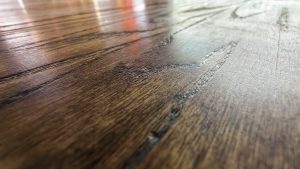
If you’re seeking a flooring option that combines environmental responsibility with unique character, search no more than reclaimed wood. By opting for reclaimed wood, you’re choosing a material that’s been salvaged from old buildings, barns, or even shipping pallets. This not only minimizes the demand for new timber, reducing deforestation, but also gives your home a distinct, storied look that new wood simply can’t replicate.
Reclaimed wood flooring offers a variety of wood types, each with its own history, color, and grain. Oak, pine, and walnut are popular choices, all bringing rich textures and warmth to your space.
Because it’s already aged and weathered, reclaimed wood is often more durable and stable, reducing the risk of warping. This makes it a practical choice for high-traffic areas in your home.
Moreover, reclaimed wood offers a sustainable alternative that helps reduce landfill waste. By reusing existing materials, you’re contributing to a circular economy.
Plus, each plank tells a story of its past life, adding unparalleled charm to your interiors. If you’re committed to sustainability, reclaimed wood is a smart, stylish option that reflects your eco-conscious values.
Recycled Tile
Recycled tile stands out as an eco-friendly flooring option that merges sustainability with style. By choosing recycled tile, you’re not only making a design statement but also contributing to environmental conservation.
These tiles are crafted from post-consumer materials, like glass or ceramic, that would otherwise end up in landfills. This process reduces waste and conserves natural resources, making it a smart choice for those looking to lessen their environmental impact.
You’ll find recycled tiles available in a wide range of colors and textures, allowing you to customize your space according to your aesthetic preferences. They’re versatile enough to fit any room, from kitchens to bathrooms, and can even be used in outdoor areas.
Plus, recycled tiles are known for their durability, resisting scratches and stains better than many conventional options.
Installation is similar to traditional tiles, so you won’t face additional complications. Maintenance is straightforward, often just requiring regular cleaning with mild detergents.
Natural Linoleum
Natural linoleum is a fantastic eco-friendly flooring option that combines sustainability with functionality. Made from renewable materials like linseed oil, wood flour, and jute, it offers a biodegradable alternative to synthetic flooring. When you choose natural linoleum, you’re opting for a product that reduces your carbon footprint and supports a healthier environment.
One of the standout features of natural linoleum is its durability. It can withstand heavy foot traffic and resist scratches, making it ideal for high-traffic areas in your home.
Plus, its maintenance is straightforward—simply sweep and mop regularly to keep it looking fresh and vibrant. You won’t need harsh chemicals for cleaning, which is another eco-friendly benefit.
Natural linoleum also boasts a wide range of colors and patterns, allowing you to express your style while staying sustainable.
Its anti-static properties repel dust and dirt, contributing to a cleaner indoor environment. Additionally, its hypoallergenic nature makes it a great choice if you have allergies.
Sustainable Carpeting
When it comes to choosing eco-friendly flooring, sustainable carpeting is an excellent option that combines comfort with environmental responsibility. Many carpets are now made from natural fibers like wool, sisal, or jute, which are renewable and biodegradable. These materials not only provide a soft, cozy feel underfoot but also reduce your carbon footprint. Wool, for instance, is naturally stain-resistant and durable, requiring fewer chemical treatments compared to synthetic carpets.
Consider the production process as well. Sustainable carpets often use non-toxic dyes and adhesives, reducing indoor air pollution and making your home healthier. Some manufacturers even use recycled materials, like plastic bottles or old carpets, to create new, stylish flooring options. By choosing such products, you’re supporting the recycling industry and decreasing landfill waste.
You also have options when it comes to installation. Look for carpets that can be installed with eco-friendly methods, such as using tack strips instead of glue. This makes future replacement easier and more sustainable.
Additionally, many brands offer take-back programs, ensuring old carpets are recycled rather than discarded. Choosing sustainable carpeting not only enhances your home but also contributes positively to the environment.
Frequently Asked Questions
What Are the Health Benefits of Choosing Eco-Friendly Flooring Options for My Home?
Choosing eco-friendly flooring offers numerous health benefits. You reduce exposure to harmful chemicals, as these floors often have low or no volatile organic compounds (VOCs). This means you’ll breathe cleaner air, reducing allergy and asthma risks.
Natural materials like cork and bamboo resist mold and mildew, promoting a healthier environment. Plus, sustainable options are often hypoallergenic, making them ideal for sensitive individuals.
Investing in eco-friendly flooring boosts your home’s overall well-being.
How Do I Determine the Carbon Footprint of Different Flooring Materials?
To determine the carbon footprint of flooring materials, you’ll need to research each material’s production process, transportation, and lifespan.
Look for life cycle assessments (LCAs) and certifications like LEED to guide you. Consider materials made from renewable resources or those that require minimal energy to produce.
Reclaimed or recycled materials often have lower carbon footprints. By choosing wisely, you’ll reduce environmental impact and promote a sustainable future for your home.
Are There Certifications I Should Look for When Selecting Sustainable Flooring?
When it comes to selecting sustainable flooring, think of certifications as your guiding star.
Look for labels like FSC (Forest Stewardship Council) or GREENGUARD to guarantee you’ve got eco-friendly options. These certifications verify that the materials are responsibly sourced and meet strict environmental standards.
What Is the Cost Comparison of Eco-Friendly Flooring Versus Traditional Options?
When comparing costs, eco-friendly flooring can vary widely, often aligning with or slightly exceeding traditional options.
Initially, you might find sustainable choices like bamboo or cork a bit pricier, but they offer long-term savings through durability and energy efficiency.
Consider lifecycle costs, as eco-friendly materials often reduce maintenance and replacement needs.
Plus, they boost your home’s value and align with environmental goals, making them a worthwhile investment.
How Can I Ensure the Longevity of My Eco-Friendly Flooring Investment?
To guarantee your eco-friendly flooring lasts, start by choosing quality materials known for durability.
Regular maintenance is key—sweep or vacuum to prevent scratches, and use a damp mop with mild cleaners tailored for your floor type.
Place mats at entrances to reduce dirt and moisture. Avoid dragging heavy furniture, and use felt pads under legs.
Consistent care and the right environment will protect your investment and maintain its beauty for years.
Conclusion
Choosing eco-friendly flooring options isn’t just about aesthetics or durability; it’s a commitment to sustainability. You might worry that these options are costly, but consider the long-term savings from reduced maintenance and enhanced air quality. Bamboo, cork, and reclaimed wood bring unique charm, while recycled tile and natural linoleum offer practicality. By opting for these materials, you’re not just updating your home—you’re making a responsible choice for the planet. Isn’t that worth the investment?