

Did you know that laminate flooring sales in the U.S. reached nearly $1 billion last year? This growing popularity isn’t just for living rooms and kitchens; many are now considering it for bathrooms too. You might be drawn to its water resistance and easy installation, but it’s important to weigh the potential downsides, like moisture vulnerability and slip resistance issues. Before you decide if laminate flooring is right for your bathroom, let’s explore both its advantages and its drawbacks so you can make an informed choice.
Key Takeaways
– Laminate flooring offers cost-effectiveness with a high-end look, making it a budget-friendly option for bathrooms.
– Water-resistant features like sealed edges and moisture barriers help protect laminate from bathroom water damage.
– Easy installation of interlocking planks simplifies bathroom renovations, reducing time and labour costs.
– Moisture vulnerability can lead to warping, swelling, and delamination, posing a significant risk in humid bathroom environments.
– Limited slip resistance of laminate flooring increases the risk of accidents, especially when surfaces are wet.
Water Resistance
When evaluating laminate flooring for bathrooms, water resistance is a critical factor. You need to verify the chosen laminate has high waterproof ratings. These ratings indicate the material’s ability to withstand exposure to water without warping, swelling, or deteriorating. Typically, manufacturers provide waterproof ratings based on standardised tests that simulate bathroom conditions. You’ll want to select laminate with a rating that certifies it can handle frequent water splashes and humidity.
Additionally, moisture barriers play a significant role in enhancing water resistance. A high-quality moisture barrier, installed beneath the laminate, prevents water from seeping into the subfloor. This barrier is essential in bathrooms, where water exposure is inevitable. Without adequate moisture barriers, even the best laminate can fail prematurely due to water damage.
When choosing laminate, look for products with integrated moisture-resistant cores. These cores are specifically designed to repel water, providing an extra layer of protection.
Furthermore, consider the edges and seams of the laminate. Opt for products with sealed or waxed edges to prevent water infiltration. By paying attention to these technical details, you can verify your bathroom laminate flooring will perform effectively in a moisture-rich environment.
Cost-Effectiveness
Although laminate flooring in bathrooms requires careful consideration, its cost-effectiveness is one of its most compelling advantages. When evaluating budget considerations, laminate flooring stands out due to its relatively low initial cost compared to alternative materials such as ceramic tiles or hardwood. You’ll find that the reduced upfront expenditure doesn’t compromise the aesthetic appeal, offering a variety of designs that mimic more expensive options.
From a long-term investment perspective, laminate flooring’s durability and ease of maintenance further amplify its cost-effectiveness. You won’t need to spend excessively on repairs or replacements, as high-quality laminate can withstand significant wear and tear. Furthermore, advancements in laminate technology have enhanced its resistance to moisture, reducing the risk of water damage—a critical factor in bathroom environments.
Additionally, the cost-effectiveness extends beyond just material expenses. Installation costs are generally lower for laminate flooring, and the simplified maintenance routines mean you’ll save both time and money over the years.
Fundamentally, laminate flooring offers a financially prudent solution without sacrificing quality or longevity, making it an attractive option for homeowners mindful of both budget considerations and long-term investment.
Ease of Installation
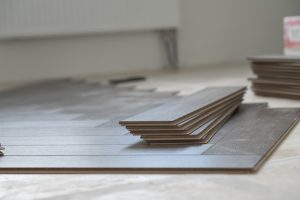
Ease of installation is another significant advantage of laminate flooring in bathrooms. You’ll appreciate how laminate’s design simplifies the process compared to other flooring options. Using straightforward installation techniques, you can achieve a professional look without the need for specialised skills. The interlocking planks snap together seamlessly, eliminating the need for adhesives or nails, which reduces the mess and speeds up the job.
When it comes to flooring tools, you won’t need an extensive toolkit. A basic set including a tape measure, a saw for cutting planks to fit around fixtures, and a tapping block for securing the joints will suffice. The lightweight nature of laminate planks also means you can handle and position them easily, reducing physical strain.
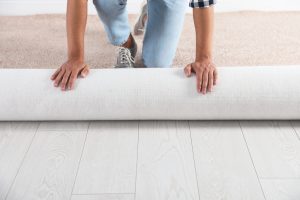
Additionally, the underlayment, which provides a moisture barrier and cushioning, is typically simple to roll out and cut to size. This layer guarantees that the floor remains stable and comfortable underfoot.
You’ll find that the precision and ease of laminate installation make it an appealing choice for bathroom renovations, allowing you to complete the project efficiently without compromising on quality.
Aesthetic Appeal
Aesthetic appeal is one of the standout features of laminate flooring in bathrooms. When you consider the myriad of colour options available, you’ll find it easy to match your bathroom’s existing decor.
Laminate flooring can mimic the look of natural materials like hardwood or stone, offering a high-end appearance without the associated cost. This versatility in design means you can achieve virtually any look you desire, from modern minimalism to rustic charm.
Texture variations also play an essential role in the aesthetic appeal of laminate flooring. Advanced manufacturing techniques allow laminate planks to emulate the tactile qualities of wood grain, stone, or even ceramic tiles.
These texture variations not only enhance the visual depth of your bathroom floor but also contribute to a more authentic and luxurious feel underfoot.
Furthermore, laminate flooring often features realistic surface patterns and embossed finishes, adding an extra layer of sophistication.
Whether you prefer a glossy, matte, or hand-scraped texture, the available options guarantee that you can create a personalised and stylish bathroom space.
Durability
Durability is a critical factor to evaluate when selecting laminate flooring for your bathroom. You need flooring that can withstand daily wear and tear, as well as potential moisture exposure.
Laminate flooring is engineered with several layers, including a high-density fiberboard core and a protective top layer that enhances its scratch resistance. This makes it an excellent option for areas with high foot traffic and potential for abrasive activities, such as moving bathroom furniture or handling grooming tools.
Additionally, laminate flooring boasts significant impact resistance. The wear layer on top provides a robust shield against dents and dings caused by dropped items like hairdryers or toiletries.
However, it’s crucial to verify that the laminate flooring you choose is rated for bathroom use, as not all laminate variants offer the same level of moisture resistance.
Furthermore, the interlocking design of laminate planks creates a tight seal, reducing the risk of water infiltration, which can compromise both durability and integrity.
While laminate flooring isn’t entirely impervious to water damage, its structural composition and surface treatments offer a reliable, durable solution for bathroom environments.
Maintenance Requirements
When considering laminate flooring for your bathroom, understanding the maintenance requirements is essential to guarantee long-term performance and aesthetic appeal. Laminate flooring, known for its durability and cost-effectiveness, necessitates specific cleaning techniques to maintain its integrity.
You’ll want to focus on a regular cleaning routine to prevent the buildup of dirt and grime, which can compromise the surface. Use a damp mop rather than a wet one, as excessive moisture can seep into the seams and cause swelling or warping.
For long-term care, promptly address any liquid spills to mitigate water damage. Utilise absorbent mats or rugs near sinks and bathtubs to catch splashes, protecting the laminate from prolonged exposure to moisture. Periodically check for any gaps or separation between planks and rectify these issues immediately to prevent potential water infiltration.
Additionally, avoid using abrasive cleaning agents or tools that could scratch the laminate surface. Opt for gentle, laminate-specific cleaners, and soft cloths for mops.
Regularly sweep or vacuum using a soft-brush attachment to remove debris that could scratch the floor. By following these meticulous cleaning techniques and long-term care strategies, you’ll ascertain your laminate flooring remains an attractive, resilient feature of your bathroom for years to come.
Potential Drawbacks
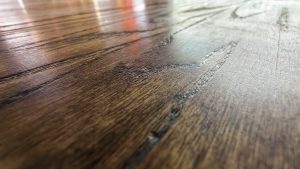
One significant drawback of laminate flooring in bathrooms is its susceptibility to moisture damage. Since bathrooms are inherently humid environments, water can easily seep into the seams and edges of laminate flooring, causing it to warp, swell, or even delaminate.
This vulnerability to water infiltration can’t only compromise the structural integrity of the flooring but also necessitate costly repairs or replacements.
Moreover, laminate flooring often lacks adequate slip resistance, increasing the risk of accidents in a space where safety is paramount. When the surface becomes wet, it can become dangerously slippery, posing a hazard especially to children and the elderly.
This lack of traction can be particularly concerning in a bathroom setting where water spills are almost inevitable.
Temperature sensitivity is another concern with laminate flooring. Bathrooms often experience fluctuating temperatures due to hot showers and baths.
These temperature changes can cause the laminate to expand and contract, potentially leading to gaps or buckling over time.
Potential Drawbacks Evoking Emotion:
- Moisture Damage: Warping, swelling, and delamination.
- Slip Hazards: Increased risk of accidents and injuries.
- Temperature Sensitivity: Gaps and buckling from expansion and contraction.
Frequently Asked Questions
Can Laminate Flooring Be Installed Over Existing Bathroom Tiles?
Yes, you can install laminate flooring over existing bathroom tiles, but be aware of installation challenges. Moisture concerns are significant; guarantee a proper moisture barrier is in place to prevent damage and warping due to humidity.
How Does Laminate Flooring Impact Bathroom Acoustics?
Imagine a whisper in a cavern. Laminate flooring’s sound absorption properties can be limited, leading to less effective noise reduction. In a bathroom, this means echoes and amplified sounds, impacting overall acoustics negatively.
Is Laminate Flooring Environmentally Friendly?
You’ll find that laminate flooring raises sustainability concerns primarily due to its manufacturing processes, which often involve non-renewable resources and chemicals. However, some brands are improving eco-friendliness through certified wood sources and reduced emissions.
Does Laminate Flooring Offer Slip Resistance in Wet Conditions?
Oh, you think laminate flooring is water-resistant and slip-resistant? Think again. While it offers some water resistance, it lacks sufficient slip resistance in wet conditions. Its maintenance requirements are minimal, but safety concerns in bathrooms can’t be ignored.
Are There Hypoallergenic Laminate Flooring Options for Bathrooms?
Yes, you can find hypoallergenic laminate flooring with waterproof options for bathrooms. These options minimise allergies due to easy maintenance requirements and resist moisture, ensuring a healthier environment with professional-grade durability and low upkeep.
Conclusion
In summary, while laminate flooring in bathrooms offers impressive water resistance, affordability, easy installation, and aesthetic appeal, it’s essential to weigh its drawbacks. Significantly, laminate can be up to 50% cheaper than hardwood, making it a cost-effective choice. However, consider its moisture vulnerability, slip risks, and limited lifespan compared to tile or stone. Balancing these factors can help guarantee a durable and safe bathroom environment for years to come.