
Vinyl flooring has experienced a remarkable surge in popularity over recent years, and it’s easy to see why. Modern vinyl bears little resemblance to the dated designs many people remember from decades past. Today’s options deliver impressive realism, genuine durability, and practical benefits that make vinyl a serious contender for almost any room.
But no flooring is perfect for every situation. Before committing to vinyl, it’s worth understanding both its strengths and limitations. This guide breaks down the key pros and cons to help you decide whether vinyl is the right choice for your home.
What Is Vinyl Flooring?
Before weighing the advantages and disadvantages, it helps to understand what vinyl actually is. At its core, vinyl flooring is a synthetic product made primarily from polyvinyl chloride (PVC). This base material gives vinyl its characteristic water resistance, flexibility, and durability.
Modern vinyl flooring comes in several formats. Sheet vinyl is rolled out in large continuous pieces, ideal for creating seamless floors in moisture-prone areas. Vinyl tiles offer a more traditional look and easier DIY installation. Luxury vinyl tile (LVT) and luxury vinyl plank (LVP) represent the premium end of the market, featuring thicker construction, enhanced realism, and superior durability.
The Advantages of Vinyl Flooring
Exceptional Water Resistance
Perhaps vinyl’s most celebrated benefit is its relationship with water. Unlike wood or laminate, vinyl handles moisture without complaint. Spills wipe away effortlessly, and the material won’t warp, swell, or suffer damage from humidity.
This makes vinyl an obvious choice for bathrooms, kitchens, utility rooms, and anywhere else moisture is a regular visitor. Luxury vinyl products often feature fully waterproof construction, meaning even standing water won’t cause problems if cleaned up within a reasonable timeframe.
Impressive Durability
Vinyl stands up remarkably well to the demands of everyday life. Heavy foot traffic, pets, children, and general household activity pose little threat to a quality vinyl floor. The protective wear layer resists scratches, scuffs, and stains, keeping the surface looking fresh for years.
When properly installed and maintained, vinyl flooring can last anywhere from 10 to 20 years, with premium luxury vinyl products often exceeding this. For busy households seeking flooring that can handle real life without showing every mark, vinyl delivers.
Comfort Underfoot
Unlike ceramic tiles, stone, or even hardwood, vinyl offers a softer, more forgiving surface to walk on. The layered construction, often including foam or felt backing, provides a slight cushioning effect that reduces fatigue when standing for extended periods.
This comfort factor proves particularly valuable in kitchens where you might spend considerable time on your feet. Vinyl also feels warmer underfoot than hard surfaces like tile or stone, a welcome quality on cold mornings.
Affordability
Cost-conscious homeowners appreciate vinyl’s attractive price point. Compared to hardwood, natural stone, or premium tiles, vinyl delivers significant savings without sacrificing style.
Sheet vinyl represents the most economical option, while luxury vinyl plank and tile sit higher on the price spectrum but still undercut most natural materials. When you factor in lower installation costs and minimal maintenance requirements, the long-term value becomes even more compelling.
Design Variety
Modern printing technology has transformed vinyl’s aesthetic possibilities. Today’s products convincingly replicate the appearance of natural wood, stone, ceramic, and concrete, offering homeowners access to high-end looks at accessible prices.
The variety extends beyond just appearance. Vinyl comes in countless colours, patterns, and formats, from wide planks mimicking rustic oak to tiles resembling Italian marble. Whatever your interior style, there’s almost certainly a vinyl option to complement it.
Easy Maintenance
Vinyl asks very little in terms of ongoing care. Regular sweeping or vacuuming removes dust and debris, while occasional mopping with a mild cleaning solution keeps the surface pristine. There’s no need for specialist treatments, sealing, waxing, or refinishing.
For households where time is precious, this low-maintenance quality proves invaluable. Unlike natural materials that demand periodic attention, vinyl simply needs basic cleaning to maintain its appearance.
Straightforward Installation
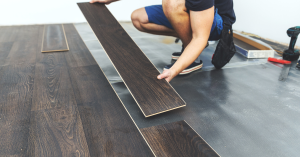
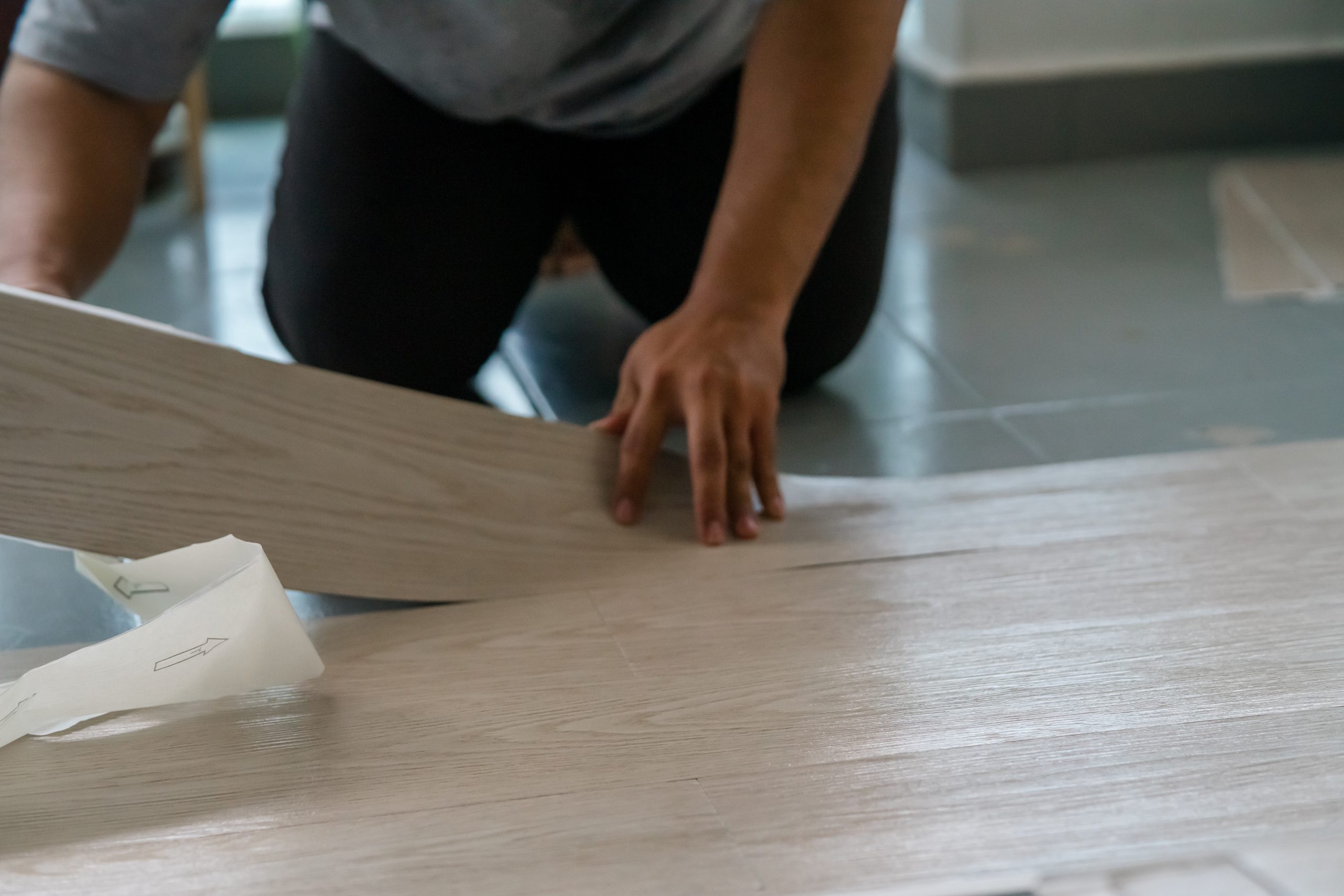
Many vinyl products, particularly click-lock luxury vinyl planks, are designed with DIY installation in mind. The interlocking system allows planks to snap together without adhesive, floating over the subfloor for a relatively simple installation process.
Even for those preferring professional installation, vinyl typically costs less to fit than harder materials requiring specialist cutting equipment or more complex preparation.
The Disadvantages of Vinyl Flooring
Environmental Concerns
Vinyl’s synthetic composition raises legitimate environmental questions. PVC is derived from petrochemicals and is not biodegradable. At the end of its life, vinyl flooring typically ends up in landfill rather than decomposing naturally or being easily recycled.
Some vinyl products can also emit volatile organic compounds (VOCs), particularly when newly installed. While many manufacturers now offer low-VOC options with certifications like FloorScore, this remains a consideration for environmentally conscious homeowners.
Cannot Be Refinished
Unlike solid wood flooring, which can be sanded and refinished multiple times throughout its lifespan, vinyl offers no such option. If the surface becomes severely worn, scratched, or damaged beyond simple repair, replacement is the only solution.
This means vinyl’s lifespan, while respectable, has a definitive end point. Hardwood floors can potentially last centuries with proper care and periodic refinishing; vinyl cannot match this longevity.
Subfloor Requirements
Vinyl’s relatively soft, flexible nature means it conforms to whatever lies beneath it. Any imperfections in the subfloor, whether bumps, dips, or debris, will eventually telegraph through to the surface.
Proper installation requires a smooth, flat, dry subfloor. If your existing floor doesn’t meet these standards, preparation work adds to both cost and complexity. Skipping this step leads to problems down the line.
Susceptibility to Sunlight
Extended exposure to direct sunlight can cause vinyl flooring to fade or discolour over time. In rooms with large windows or conservatories receiving intense sun, this gradual colour change may become noticeable.
Window treatments like blinds or UV-filtering film can mitigate this issue, but it’s worth considering if you’re planning vinyl for particularly sunny spaces. Wood-look tiles or porcelain alternatives might prove more suitable in such situations.
Vulnerability to Sharp Objects and Heavy Loads
While vinyl resists everyday scratches admirably, it can be damaged by sharp objects dropped on the surface or heavy furniture creating indentations over time. The material’s flexibility, while providing comfort, also means it lacks the resistance to point loading that harder surfaces offer.
Using furniture pads, avoiding dragging heavy items, and taking care with sharp objects helps preserve the surface. Rigid core vinyl products offer better resistance than standard options for those concerned about this.
Aesthetic Limitations
Despite significant advances in printing technology, vinyl still doesn’t perfectly replicate the look and feel of natural materials. Up close or in certain lighting, the difference between vinyl and genuine wood or stone remains apparent to a discerning eye.
For some homeowners, this distinction matters little. For others seeking authentic natural materials, vinyl may feel like a compromise regardless of how realistic the design appears.
Is Vinyl Flooring Right for You?
Vinyl flooring makes excellent sense for practical households wanting attractive, durable, water-resistant flooring without the cost or maintenance demands of natural materials. It excels in kitchens, bathrooms, hallways, and busy living spaces where life happens without pause for precious flooring.
However, if environmental credentials matter greatly to you, or you’re seeking flooring that can last generations, natural alternatives like sustainably sourced wood might better align with your values.
At Kent Flooring, we stock a wide range of vinyl options alongside alternative materials. Our team can help you weigh the pros and cons for your specific situation and find flooring that genuinely suits your home and lifestyle. Get in touch to discuss your project, or visit our showroom to see the options in person.