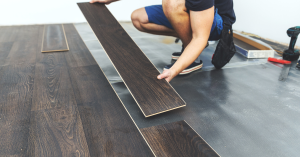


Proper room preparation is absolutely crucial for successful floor installation and long-term flooring performance. At Kent Flooring, we’ve seen countless projects where inadequate preparation has led to installation delays, additional costs, and compromised results. Whether you’re planning a DIY project or hiring professionals, understanding the preparation process ensures your new flooring achieves its full potential and provides years of reliable service.
The preparation phase often determines the success of the entire flooring project. Rushing through or skipping preparation steps can result in uneven floors, premature wear, installation failures, and voided warranties. Investing time and effort in proper preparation pays dividends through smoother installation and superior long-term performance.
Initial Planning and Assessment
Room Evaluation and Measurements
Before beginning physical preparation, conduct a thorough assessment of the space. Accurate measurements are essential not only for ordering the correct amount of flooring material but also for planning the installation layout. Professional installers typically add 10-15% extra material to account for cuts, waste, and future repairs.
Check for any structural issues such as sagging floors, significant level variations, or signs of moisture damage. These problems must be addressed before installation begins, as they can compromise the new flooring’s integrity and appearance.
Choosing the Right Time
Timing your flooring installation appropriately reduces complications and ensures optimal conditions. Avoid scheduling installation during periods of high humidity or extreme temperature variations, as these conditions can affect material behaviour during and after installation.
Consider your household or business schedule when planning preparation activities. Room preparation can be disruptive, so coordinate with family members or employees to minimise inconvenience.
Furniture and Fixture Removal
Complete Room Clearance
Remove all furniture, appliances, and moveable fixtures from the installation area. This includes items that might seem permanently placed, such as bookcases, entertainment centres, and large appliances. Attempting to work around furniture inevitably leads to installation complications and compromised results.
For particularly heavy items like pianos or large safes, consider hiring professional movers with appropriate equipment. Attempting to move these items without proper tools can cause injury or damage to both the items and existing floors.
Protecting Removed Items
Store removed furniture and belongings in a clean, dry area away from construction dust and debris. Cover items with protective sheeting to prevent damage during the installation process. This protection is particularly important if you’re removing old flooring, which can generate significant amounts of dust.
Plan storage locations that won’t interfere with material delivery or installer access. Professional installation teams need clear pathways for bringing in tools and materials throughout the project.
Existing Flooring Removal
Assessment Before Removal
Not all existing flooring requires complete removal. Some new flooring types can be installed over existing materials if they’re in good condition and properly prepared. Luxury vinyl, for instance, can often be installed over existing vinyl, ceramic tile, or properly prepared concrete.
However, damaged, loose, or uneven existing flooring must be removed to ensure proper installation of new materials. Consult with flooring professionals to determine whether your existing floor can remain in place.
Safe Removal Practices
When removal is necessary, follow appropriate safety procedures. Older homes may contain asbestos in vinyl tiles or lead in paint finishes, requiring specialised removal procedures. Professional assessment and removal may be necessary for these hazardous materials.
For standard flooring removal, use appropriate tools and techniques to minimise damage to the subfloor. Carpet removal involves cutting manageable sections and removing tack strips, whilst tile removal requires careful chiselling to avoid subfloor damage.
Subfloor Inspection and Preparation
Structural Integrity Assessment
Once existing flooring is removed, thoroughly inspect the subfloor for damage, squeaks, or structural problems. Look for loose boards, protruding nails, gaps between subfloor panels, and any signs of water damage or pest infestation.
Address any identified problems before proceeding with installation. Loose subfloor panels should be resecured, squeaks eliminated, and damaged sections replaced. This attention to detail prevents future problems and ensures a solid foundation for your new flooring.
Levelling and Smoothness
Most modern flooring materials require smooth, level subfloors for proper installation and performance. Use a long straightedge or specialised levelling tools to identify high and low spots that exceed manufacturer specifications.
High spots can often be sanded down, whilst low areas may require filling with appropriate levelling compounds. Allow adequate curing time for any applied compounds before proceeding with flooring installation.
Moisture Control
Moisture is one of the most significant threats to flooring performance, particularly for wood and laminate materials. Test concrete subfloors for moisture using appropriate testing methods, and address any moisture issues before installation begins.
In areas prone to moisture, consider installing moisture barriers or using moisture-resistant installation methods as recommended by flooring manufacturers.
Environmental Preparation
Temperature and Humidity Control
Maintain appropriate environmental conditions throughout the preparation and installation process. Most flooring materials perform best when installed in climate-controlled environments with stable temperature and humidity levels.
Allow flooring materials to acclimate in the installation environment for the period specified by the manufacturer, typically 24-72 hours. This acclimatisation prevents expansion and contraction issues after installation.
Dust Control and Cleanliness
Thoroughly clean the installation area after completing preparation work. Dust, debris, and construction residue can interfere with adhesive bonding and create imperfections in the finished installation.
Use appropriate cleaning methods for your specific subfloor type, ensuring all surfaces are clean and dry before installation begins. Pay particular attention to corners and edges where debris commonly accumulates.
Utility and Service Considerations
Electrical and Plumbing Preparations
Plan for any electrical or plumbing modifications before flooring installation begins. Moving outlets, adding underfloor heating, or relocating plumbing fixtures is much easier and less expensive before new flooring is installed.
Coordinate with qualified tradespeople to complete these modifications during the preparation phase, allowing time for any necessary inspections and approvals.
HVAC System Protection
Protect heating, ventilation, and air conditioning systems from construction dust and debris. Cover air vents and consider shutting down HVAC systems during dusty preparation activities to prevent contamination of ductwork and equipment.
Final Preparation Steps
Tool and Material Organisation
Organise all necessary tools and materials before installation begins. This preparation reduces installation time and minimises the risk of delays or complications during the project.
Verify that all materials are present, undamaged, and appropriate for your specific installation. Check adhesives, underlayments, transition strips, and finishing materials to ensure everything needed is available.
Access and Safety Considerations
Ensure clear access routes for installers and material delivery. Remove any obstacles from pathways and consider protection for adjacent areas that might be affected by construction traffic.
Establish appropriate safety measures, particularly if other areas of the home or business remain occupied during installation. This might include dust barriers, noise considerations, and safe storage of tools and materials.
Professional vs DIY Preparation
When to Hire Professionals
Complex preparation tasks such as subfloor repair, moisture remediation, or hazardous material removal often require professional expertise. The cost of professional preparation services is typically offset by avoiding installation problems and ensuring warranty compliance.
At Kent Flooring, we offer comprehensive preparation services that ensure your installation starts with the best possible foundation for long-term success.
DIY Preparation Guidelines
If undertaking preparation yourself, follow manufacturer guidelines carefully and don’t hesitate to consult professionals when uncertain about any aspect of the process. Proper preparation requires attention to detail and patience – rushing through preparation to begin installation sooner often creates more problems than it solves.
Conclusion
Thorough room preparation is an investment in your flooring’s performance, appearance, and longevity. Taking time to properly clear, clean, and prepare the installation area ensures optimal results and helps avoid costly problems down the road.
At Kent Flooring, we understand that proper preparation is the foundation of every successful flooring project. Our experienced team can guide you through the preparation process or handle it entirely, ensuring your new flooring installation starts with the best possible foundation for years of reliable performance and satisfaction.