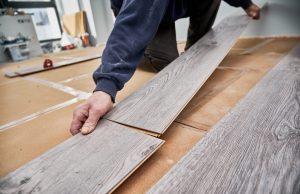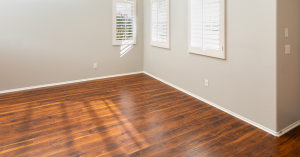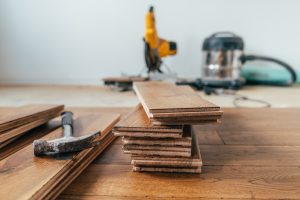

 Wooden floors look great, last for decades, and when they start to look tired, the idea of sanding them back to life is appealing. Hire a sander, spend a weekend on it, save yourself a few hundred pounds. But is it really that straightforward?
Here is an honest look at what DIY floor sanding can achieve, where it tends to go wrong, and when calling in the experts is the smarter choice.
What Hire Equipment Is Actually Available
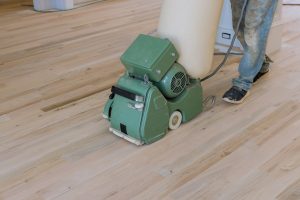
Most tool hire companies in Kent stock a drum sander for the main floor area and an edge sander for the borders. A drum sander can remove a millimetre of wood in a single pass if you are not careful. When you hire one, you will get a brief rundown from the hire shop, but that is rarely enough to prepare you for what the machine can do.
Hire costs typically run to around £60-£90 per day, plus sanding sheets, which you go through faster than most people expect. By the time you factor in two or three days of hire, consumables, finish, and protective equipment, a DIY job on a medium-sized room can easily cost £300-£500 before you have even lifted a brush.
What DIY Floor Sanding Can Do Well
DIY floor sanding is not always a bad idea. It can produce decent results on light surface scratches and scuffs on solid hardwood floors with enough thickness remaining, when refreshing a lightly worn finish on a floor that is generally in good condition, or in small rooms where the consequences of a mistake are limited. If you are patient and willing to start with the finest grit possible to test the machine, a reasonable result is achievable on a straightforward hardwood floor.
What DIY Floor Sanding Cannot Do
This is where most people come unstuck.
Over-sanding and thin boards. Solid wood floorboards can only be sanded a limited number of times before they become too thin. If your boards are already on the thin side, or you are dealing with engineered wood with a thin veneer, one aggressive pass with a drum sander can cause permanent damage. There is no way to undo it.
Uneven results and sanding lines. Stopping a drum sander while it is running, or not keeping it moving at a steady pace, leaves visible marks and dips in the wood. A professional uses a combination of machines and hand techniques to produce a consistent surface throughout.
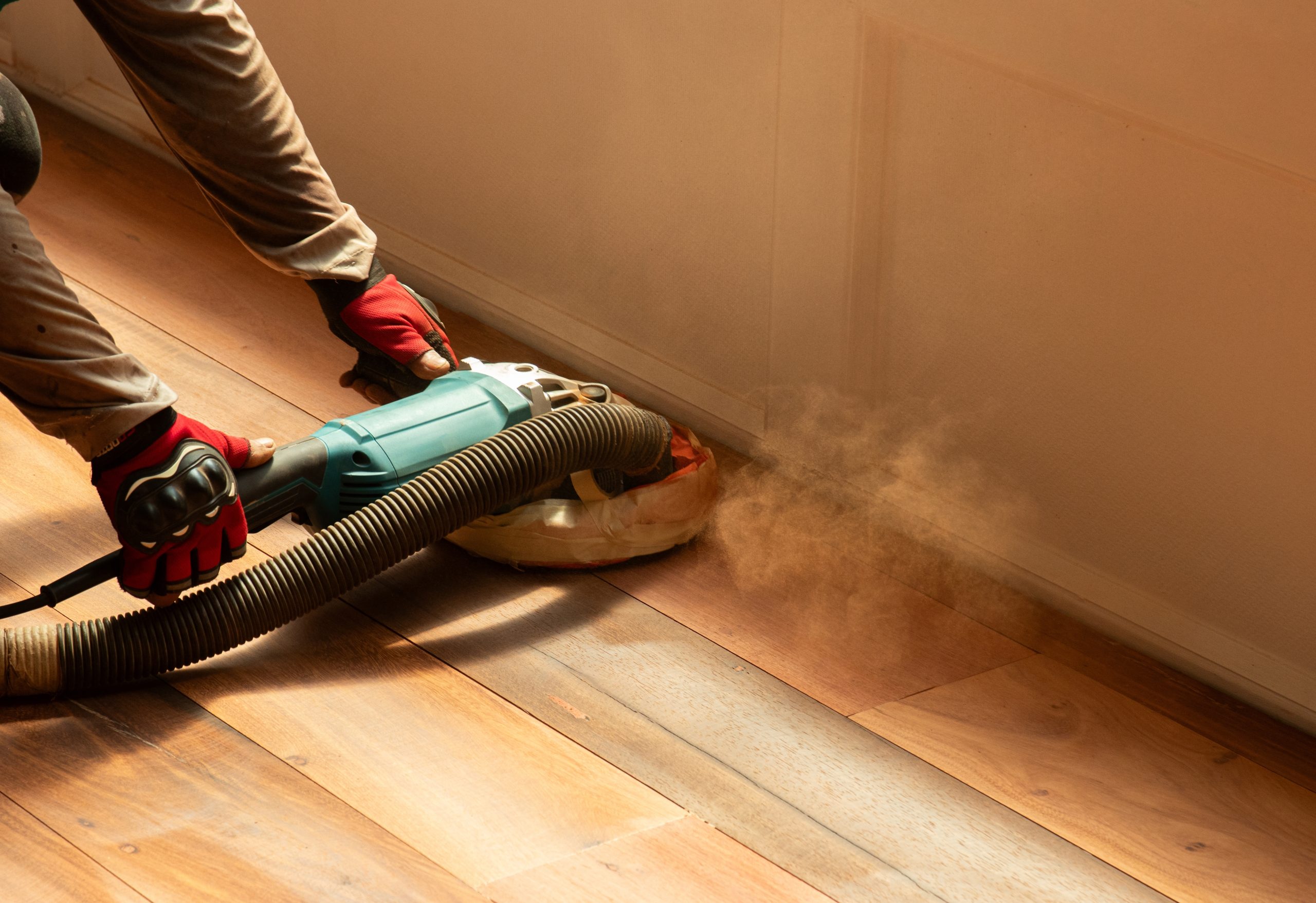
Corners and edges. Edge sanders are awkward to control and easy to over-sand in one spot. Uneven sanding around borders, alcoves, and radiator pipes is one of the most common signs of a DIY job.
Structural problems. Loose boards, raised nails, and gaps need to be assessed and fixed before sanding begins. Running a drum sander over a loose board can make things considerably worse.
The Health Risks of DIY Floor Sanding
Floor sanding produces very large quantities of fine wood dust. The Health and Safety Executive guidance on cutting and sanding wood makes clear that wood dust can cause occupational asthma and, in the case of hardwood dust, nasal cancer. A basic dust mask is not enough. You need a properly rated FFP3 respirator at a minimum, and the room must be properly sealed to stop dust spreading through your home. Professional teams use industrial dust extraction equipment attached directly to their machines, which dramatically reduces airborne dust.
DIY vs Professional Floor Sanding: A Direct Comparison
Factor |
DIY |
Professional |
|---|---|---|
Equipment |
Hired drum and edge sander |
Industrial multi-head machines |
Dust control |
Basic or limited |
Industrial extraction systems |
Edge and corner finish |
Often uneven |
Consistent throughout |
Risk of over-sanding |
High |
Very low |
Finish options |
Limited |
Oils, lacquers, and stains |
Structural assessment |
Not included |
Carried out before work begins |
Time (average room) |
2-3 days |
1-2 days |
Cost (medium room) |
£300-£500+ |
£400-£800+ |
When Professional Results Are the Only Sensible Option
Some floors should not be DIY-sanded. These include parquet and herringbone floors, where blocks run in different directions and require careful multi-directional sanding; pine floors, which are soft and easy to damage; period properties with original boards that are irreplaceable; large open-plan areas where a consistent finish across the whole floor is very hard to achieve; and any floor where the boards are already thin.
If your floor falls into any of these categories, the cost of getting it wrong far exceeds the cost of getting it done properly. You can see our restoration projects to get an idea of what is achievable with the right equipment and experience.
All of the common signs of a previous DIY sanding job, including dips and waves across the surface, visible sanding lines, thinned boards in the centre of the room, and uneven colour, can be addressed by professional floor sanding in Kent, though the more severe the damage, the more complex and costly the restoration.
The Honest Verdict
DIY floor sanding is possible, but it is genuinely difficult to do well. The equipment is powerful, the margin for error is small, and mistakes are hard to undo. For a simple solid hardwood floor in good condition, a careful DIY approach can produce a reasonable result. For anything more complex, professional floor sanding in Kent is likely to save you time, money, and frustration.
If you are unsure which category your floor falls into, the best first step is a professional assessment. To book a free floor survey with the Kent Flooring UK team, get in touch today. There is no obligation, and it will give you a clear picture of what your floor actually needs.