
 If you are planning to restore your wooden floors, one of the first things you will want to know is how long the whole process takes. Whether you need to arrange childcare, plan around a busy work week, or simply want to know when you can move your furniture back in, getting a clear timeline is important.
The honest answer is: it depends. But in this guide, we will walk you through realistic timescales for every stage of the process, from sanding and repairs right through to drying and curing.
What Does Floor Restoration Actually Involve?
Floor restoration is not just sanding. A full restoration project typically includes:
- Inspecting the floor for damage, loose boards, or protruding nails
- Carrying out any repairs needed before sanding begins
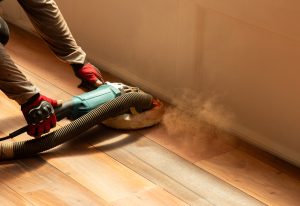
- Sanding the floor in multiple passes using different grades of sandpaper
- Applying a finish (oil, lacquer, or hardwax oil)
- Allowing the finish to dry and cure fully before the floor is back in use
Each stage takes time, and skipping or rushing any of them can cause problems later on. Our floor restoration services in Kent cover every step of this process from start to finish.
How Long Does Sanding Take?
The sanding stage is usually the quickest part. Here is a rough guide based on room size:
Room Size |
Approximate Sanding Time |
|---|---|
Small room (up to 15 sqm) |
Half a day |
Medium room (15 to 30 sqm) |
One full day |
Large room (30 to 50 sqm) |
One to two days |
Open-plan or multiple rooms |
Two to four days |
These timescales assume the floor is in reasonable condition. If the boards need significant repairs, or if old adhesive or a thick finish needs removing first, the sanding stage can take longer.
What About Repairs Before Sanding?
If damage is found during the initial inspection, repairs must be carried out before sanding can begin. Common issues include:
- Loose or squeaky boards that need re-securing
- Gaps between boards that need filling
- Cracked or broken planks that need replacing
- Protruding nails that need punching down
Minor repairs can often be done on the same day. However, if significant plank replacement is needed, or if hidden damage is found once the floor is lifted, this can add one to two extra days to the project.
This is why a proper assessment before work begins is so important. A professional will flag potential issues early so there are no surprises mid-job.
How Long Does the Finish Take to Dry?
Once sanding is complete, the floor needs a protective finish applied. The drying time varies depending on which finish is used. This is often the part of the project that takes the most time overall.
| Finish Type | Touch Dry | Light Foot Traffic | Full Cure |
|---|---|---|---|
| Water-based lacquer | 2 to 3 hours | 24 hours | 5 to 7 days |
| Oil-based lacquer | 4 to 6 hours | 48 hours | 7 to 14 days |
| Hardwax oil | 8 to 12 hours | 24 to 48 hours | 5 to 7 days |
| Pure oil finish | 12 to 24 hours | 48 to 72 hours | Up to 30 days |
Most finishes require two or three coats, with drying time needed between each one. This means the finishing stage alone can take two to three days before the floor is ready for light foot traffic.
It is worth noting that “touch dry” and “fully cured” are very different things. You may be able to walk on the floor after 24 hours, but placing heavy furniture back, or allowing pets and children to use the space freely, should wait until the finish has fully cured. Rushing this stage is one of the most common causes of a damaged finish.
For more detail on what the British Wood Flooring Association recommends for floor maintenance and sealing, their guidance is a useful read for homeowners.
How Long Does a Full Single-Room Restoration Take?
Putting it all together, here is what a typical single-room floor restoration looks like from start to finish:
- Day 1: Initial inspection and any minor repairs, first sanding pass
- Day 2: Further sanding passes and edge sanding, first coat of finish applied
- Day 3: Second coat of finish applied (after overnight drying)
- Day 4: Third coat applied if needed, final checks
- Days 5 to 7: Drying and curing before furniture is returned
In total, you are usually looking at three to five working days before the floor is ready for normal use, and up to seven to fourteen days before full curing is complete depending on the finish chosen.
What About Multi-Room Projects?
If you are restoring floors across several rooms or an entire floor of your home, the timeline increases. However, because work can move from room to room as finishes dry in others, a professional team can often manage multiple rooms more efficiently than you might expect.
A typical multi-room project (for example, a hallway, living room, and two bedrooms) might take four to seven working days for all the sanding and finishing work, followed by the usual curing period.
For larger properties or commercial spaces, timescales will vary significantly. It is always best to request a survey so a proper assessment can be made before any work begins.
Can You Stay in Your Home During Floor Restoration?
This is a very common question. In most cases, yes, you can remain at home, though you will need to plan around the rooms being worked on.
Modern sanding equipment is largely dust-free, which means disruption is kept to a minimum. However, you will need to:
- Clear all furniture from the rooms being worked on before the team arrives
- Keep children and pets away from freshly finished areas
- Avoid cooking strong-smelling food if solvent-based finishes are being used (water-based finishes have very little odour)
- Be prepared for some noise during the sanding stage
If your whole ground floor is being restored at the same time, you may find it easier to stay elsewhere for two to three days while the main sanding and first coats are completed.
Planning Around Your Floor Restoration
Here are a few practical tips to help the project run smoothly:
- Book your survey early. Demand for floor restoration in Kent is high, especially in spring and autumn.
- Clear the rooms yourself before the team arrives. This saves time and money.
- Plan for the curing period. Even if the floor looks and feels dry, avoid dragging furniture across it until the finish has fully cured.
- Ask about the finish being used. If you want the fastest return to normal use, a water-based lacquer is usually the quickest option.
If you are considering replacing rather than restoring, take a look at our range of wood flooring options to see what might suit your home.
Get a Realistic Timeline for Your Project
Every floor is different. The best way to get an accurate timescale is to have a professional assess the floor in person. We offer free, no-obligation surveys across Kent, Essex, and London so you know exactly what to expect before any work begins.
Ready to get started? Get a free quote today and one of our experienced team will be in touch to arrange a convenient time for your survey.