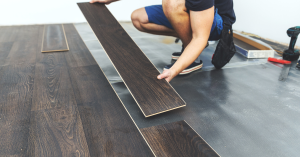


Choosing the right commercial flooring for your Kent business is one of the most important decisions you’ll make. The wrong choice can lead to safety issues, high maintenance costs, and unhappy customers. The right choice creates a safe, welcoming space that supports your business goals.
Whether you’re running a busy restaurant in Canterbury, a medical practice in Maidstone, or an office in Dartford, this guide will help you understand what you need to know about commercial flooring in Kent.
Why Commercial Flooring Matters More Than You Think
Your flooring isn’t just something people walk on. It’s a crucial part of your business that affects safety, hygiene, maintenance costs, and even how customers feel about your space.
In the UK, floors must be suitable for the type of work activity taking place and be in good condition and free from obstructions. This isn’t just a suggestion – it’s a legal requirement under the Workplace Health, Safety and Welfare Regulations 1992.
When your flooring fails, it can mean:
- Slip and fall accidents that hurt people and cost money
- Health and safety violations that can shut down your business
- Constant repairs that disrupt your operations
- Poor customer impressions that drive business away
Understanding Different Business Sectors and Their Flooring Needs
Retail Stores: Making the Right First Impression
Your shop floor needs to handle hundreds of footsteps every day, whilst looking great. Retail flooring must be tough enough for trolleys and heavy footfall, yet attractive enough to enhance your products.
Best options for retail:
- Luxury Vinyl Tile (LVT) for its durability and design flexibility
- Polished concrete for modern, industrial looks
- Safety vinyl in high-traffic areas
Your entrance area is especially important. It takes the worst weather damage and creates first impressions. Consider entrance matting systems to protect your main flooring and keep customers safe.
Office Spaces: Comfort Meets Productivity
Office workers spend long hours on their feet, so comfort matters. But you also need flooring that looks professional and handles daily wear from chairs, desks, and foot traffic.
Smart choices for offices:
- Carpet tiles in work areas for comfort and sound absorption
- LVT in corridors and meeting rooms for easy maintenance
- Rubber flooring in break rooms for durability
Remember that offices need good acoustics. Hard floors can create noise problems, especially in open-plan spaces. Carpet tiles offer the perfect balance of comfort, sound control, and easy replacement when damaged.
Hospitality: Creating Experiences That Last
Hotels, restaurants, and pubs need flooring that creates the right atmosphere whilst handling spills, heavy cleaning, and constant use. Each area has different needs.
Restaurant and pub considerations:
- Kitchen areas need slip-resistant safety flooring
- Dining areas require easy-clean surfaces that look welcoming
- Bar areas must handle spills and frequent mopping
Hotel requirements:
- Reception areas need impressive, durable surfaces
- Corridors require sound-absorbing, hard-wearing materials
- Bathrooms need waterproof, slip-resistant options
Healthcare: Safety and Hygiene First
Medical facilities have the strictest flooring requirements. Your floors must prevent infections, resist chemicals, and provide safety for patients and staff.
Healthcare flooring must be:
- Easy to clean and disinfect
- Slip-resistant, especially in wet areas
- Comfortable for staff who stand all day
- Quiet to reduce stress for patients
Healthcare facilities require seamless flooring in surgical areas and operating rooms to meet infection control requirements. Many healthcare spaces now choose LVT because it provides a homely feel that helps reduce patient anxiety whilst meeting all safety requirements.
Safety and Slip Resistance: What You Must Know
Slips and falls are the most common workplace accidents in the UK. Where a floor is likely to be subject to frequent contamination, people should still be able to walk on it without the risk of slipping.
Understanding Slip Resistance Ratings
The UK uses specific testing methods to measure how slip-resistant flooring is:
| Rating | Slip Risk | Recommended Use |
|---|---|---|
| R9 | Higher risk | Dry areas only |
| R10 | Moderate risk | General commercial use |
| R11 | Lower risk | Wet areas, kitchens |
| R12 | Very low risk | Industrial wet areas |
| R13 | Lowest risk | Extreme wet conditions |
For most commercial spaces, R10 is the minimum standard. Kitchens, bathrooms, and areas that get wet regularly need R11 or higher.
Pendulum Test Values (PTV)
The HSE also uses Pendulum Test Values to measure slip resistance:
| PTV Value | Slip Potential | Where to Use |
|---|---|---|
| 0-24 | High | Avoid in commercial spaces |
| 25-35 | Moderate | Dry areas only |
| 36+ | Low | Safe for most commercial use |
HSE recommends PTV 36 or higher in wet conditions for commercial spaces.
Special Considerations for Different Areas
Entrance Areas: These get wet from rain and snow. Use entrance matting systems and choose flooring with higher slip resistance near doors.
Kitchens and Food Prep: These areas need an R11 rating minimum. Oil and grease make surfaces especially dangerous.
Bathrooms and Wet Rooms: Choose materials specifically designed for wet areas with textured surfaces or built-in slip resistance.
Real Success Stories: How Kent Businesses Got It Right
Case Study 1: City of London Office Space
Kent Flooring completed a comprehensive office flooring project for Capex Office Interiors Ltd in Leadenhall Street, London, installing new carpet tiles, stair nosings, and entrance matting.
The Challenge:
- The busy City of London office needs a complete flooring renewal
- Existing carpet tiles requiring removal and disposal
- Staircase areas need special preparation and safety features
- Creating an attractive, professional environment
The Solution: Kent Flooring fitted Desso carpet tiles throughout the property and cut out a circular shape to form an attractive floor feature. For the stair nosings and entrance matting, they used high-quality Gradus products. The team also prepared the staircase with latex to ensure proper installation of the new stair nosings and carpet tiles.
The Results:
- Professional, attractive office environment in prestigious London location
- Custom design features, including circular carpet tile patterns
- Safe staircase with proper nosings for employee safety
- High-quality entrance matting to protect the main flooring
- Complete project delivered with minimal disruption to business operations
Case Study 2: Charles Darwin School, Biggin Hill
Kent Flooring supplied and fitted 330sqm of contract vinyl using Polyflor Polysafe FX Wood colour Silver Oak 3357 to the canteen area at Charles Darwin School in Biggin Hill.
The Challenge:
- Large school canteen requiring durable, safe flooring
- Heavy daily use by hundreds of students and staff
- The food service area needs easy-to-clean, hygienic surfaces
- Existing flooring removal and professional preparation are needed
The Solution: The team first uplifted and disposed of the existing flooring, then applied a Mapei NA latex screed to ensure there was a smooth, flat finish. This enabled them to apply the Uzin 2428 adhesive to finally fit the contract vinyl to the manufacturer’s recommendations. The chosen Polyflor Polysafe FX Wood in Silver Oak provided both safety and aesthetics.
The Results:
- Safe, slip-resistant flooring is perfect for a busy school environment
- Attractive wood-effect design that creates a welcoming dining space
- Easy-clean surface suitable for food service areas
- Professional installation following all manufacturer guidelines
- Durable flooring designed to withstand heavy daily use from students
Choosing the Right Commercial Flooring Partner in Kent
Not all flooring companies understand commercial requirements. Here’s what to look for:
Essential Qualifications and Experience
Your flooring installer should have:
- Experience with commercial projects similar to yours
- Understanding of health and safety regulations
- Knowledge of sector-specific requirements
- Proper insurance and certifications
Questions to Ask Potential Contractors
- Can you provide references from similar businesses?
- Do you understand the specific regulations for my sector?
- What’s your process for ensuring minimal business disruption?
- How do you handle emergency repairs?
- What warranties do you offer on materials and installation?
Working with Kent Flooring for Your Commercial Project
At Kent Flooring, we understand that every business is different. Our team brings over 20 years of experience installing commercial flooring across Kent, London, and the South East.
We work with leading commercial flooring brands, including:
- Polyflor for safety and healthcare applications
- Altro for specialist slip-resistant solutions
- Karndean for luxury commercial spaces
- Amtico for high-end installations
Our approach includes:
- Site survey and consultation to understand your specific needs
- Detailed recommendations based on your sector and usage patterns
- Professional installation with minimal disruption to your business
- Ongoing support for maintenance and future needs
Learn more about our commercial flooring services or contact us to discuss your specific requirements.
Planning Your Commercial Flooring Project
Timeline Considerations
Commercial flooring projects need careful planning:
Planning Phase (2-4 weeks):
- Site survey and needs assessment
- Material selection and quotation
- Planning permission is required
- Scheduling around business operations
Installation Phase (varies by size):
- Small offices: 1-3 days
- Retail spaces: 3-7 days
- Large commercial spaces: 1-3 weeks
- Healthcare facilities: Extended timeline for infection control
Post-Installation (1-2 weeks):
- Curing time for some materials
- Deep cleaning and preparation
- Staff training on maintenance
Budget Planning
Commercial flooring costs vary significantly based on:
| Factor | Impact on Cost |
|---|---|
| Material choice | 30-50% of total cost |
| Site preparation | 15-25% of total cost |
| Installation complexity | 10-20% of total cost |
| Business disruption minimisation | 5-15% of total cost |
Don’t just choose based on initial cost. Consider:
- Lifespan: How long will it last?
- Maintenance costs: How much upkeep is needed?
- Replacement costs: What happens when it wears out?
- Business impact: Will poor flooring cost you customers?
Maintenance and Long-term Care
Good maintenance extends flooring life and maintains safety:
Daily Care:
- Regular cleaning to prevent buildup
- Immediate spill cleanup
- Visual inspections for damage
Weekly Maintenance:
- Deep cleaning as appropriate
- Check for loose tiles or damage
- Entrance mat cleaning and maintenance
Monthly Reviews:
- Professional inspection for wear patterns
- Slip resistance testing in critical areas
- Documentation for warranty purposes
Making the Right Choice for Your Kent Business
Commercial flooring isn’t just about covering the floor – it’s about creating a safe, functional space that supports your business goals. The right choice protects your staff and customers, reduces maintenance costs, and enhances your professional image.
Whether you’re opening a new business or replacing existing flooring, take time to understand your specific needs. Consider your sector requirements, daily usage patterns, and long-term business plans.
Most importantly, work with experienced professionals who understand commercial flooring requirements and can guide you to the best solution for your situation.
Frequently Asked Questions
How long does commercial flooring typically last?
The lifespan depends on the material and usage:
- Carpet tiles: 5-10 years in high-traffic areas
- Luxury Vinyl Tile: 10-20 years with proper maintenance
- Safety vinyl: 15-25 years in most applications
- Polished concrete: 20+ years with proper care
Regular maintenance significantly extends these timeframes. Poor maintenance can halve the expected lifespan.
Do I need planning permission for commercial flooring changes?
Usually no, but there are exceptions:
- Listed buildings may require consent for any changes
- Structural changes affecting load-bearing capacity need approval
- Changes affecting disabled access must meet building regulations
- Fire safety requirements may apply in some buildings
Always check with your local council if you’re unsure.
How can I minimise business disruption during installation?
Several strategies help:
- Phased installation works section by section
- Out-of-hours work during evenings or weekends
- Temporary accommodation in other areas during installation
- Fast-cure materials that allow quicker return to normal use
Discuss your specific needs with your flooring contractor to find the best approach.
What’s the most cost-effective commercial flooring option?
This depends on your total cost of ownership, not just initial price:
- Short-term: Basic carpet tiles or standard vinyl
- Medium-term: Quality LVT or commercial carpet
- Long-term: Premium materials with excellent durability
Consider maintenance costs, replacement frequency, and business impact when calculating true cost-effectiveness.
Ready to discuss your commercial flooring project? Contact Kent Flooring today to book your free commercial site visit. Our experienced team will assess your needs and provide detailed recommendations tailored to your business requirements.
Call us or visit our website to schedule your consultation and take the first step towards safer, more attractive commercial flooring for your Kent business.