

Choosing the Perfect Flooring for Your Kent Home: A Complete Guide
When it comes to choosing the perfect flooring for your Kent home, you’re faced with a decision that balances style, durability, and practicality. The local climate plays a vital role, as humidity and temperature fluctuations can affect certain materials. Whether you’re drawn to the warmth of engineered hardwood or the resilience of tile, each option offers unique benefits and challenges. Eco-friendly choices like bamboo or cork might also catch your interest. But how do you guarantee your selection complements your home’s aesthetics and fits your budget? Let’s explore the key considerations that will guide your decision.
Key Takeaways
- Opt for moisture-resistant flooring like engineered hardwood or vinyl to combat Kent’s consistent humidity and prevent warping.
- Consider underfloor heating compatibility when selecting flooring materials for enhanced warmth and comfort in your Kent home.
- Choose durable options like ceramic tiles or nylon carpets for high-traffic areas to ensure longevity and wear resistance.
- Embrace eco-friendly materials such as bamboo or reclaimed wood for a sustainable flooring solution in your Kent home.
- Match flooring with your home’s architectural style, using rich hardwoods for Victorian homes or sleek tiles for modern minimalism.
Understanding Kent’s Climate
Kent’s climate plays an essential role in your flooring decisions, as it experiences a maritime climate characterised by relatively mild temperatures and consistent humidity levels. This specific environmental condition influences how different flooring materials perform and maintain their integrity over time.
The average annual temperature ranges from 5°C (41°F) during winter to 22°C (72°F) in summer. Humidity remains relatively stable, hovering around 75% throughout the year.
Choosing flooring that can withstand these conditions is vital. Moisture-resistant materials will help you avoid warping, swelling, or mould growth. Consider materials with dimensional stability, which refers to a material’s ability to maintain its original dimensions despite temperature and humidity fluctuations. This is particularly important in Kent, where sudden changes in weather can occur.
For instance, engineered wood or luxury vinyl tiles are known for their resilience in humid environments. Additionally, you should consider underfloor heating compatibility, as it’s a common feature in many Kent homes. This system can impact the performance of certain flooring types.
Hardwood Flooring Options
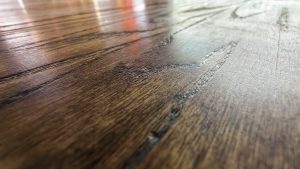
Given the climate considerations, hardwood flooring offers a blend of natural beauty and durability that can suit many homes in Kent. It’s important to choose the right type of hardwood to guarantee longevity and performance.
Solid hardwood is a classic choice, offering authenticity and warmth, but it may react to humidity changes. Engineered hardwood, with its layered construction, provides better stability, making it more suitable for Kent’s variable climate.
When selecting hardwood, consider species like oak, maple, or cherry, known for their hardness and resistance to wear. Oak, in particular, is highly popular due to its grain patterns and durability.
Confirm the wood is kiln-dried to minimise moisture issues, which can cause warping over time.
Pay attention to the finish options, as they play a significant role in maintenance and appearance. Prefinished hardwood comes with a durable coating that withstands abrasion and is ready to install, while site-finished hardwood allows for a seamless look and customised stain.
Proper installation is essential, whether you choose nail-down, glue-down, or floating methods. Engage professional installers to handle the acclimation and fitting process, making sure your hardwood floor functions effectively and retains its elegance.
Benefits of Laminate Floors
You’ll find laminate floors offer a cost-effective and durable solution for your home, ensuring long-lasting performance without breaking the bank.
Available in a wide variety of styles, they can mimic the appearance of natural wood or stone, giving you the aesthetic flexibility to match any interior design.
Additionally, laminate flooring requires minimal maintenance, allowing you to keep your floors looking pristine with simple cleaning techniques.
Exploring Carpet Choices
When considering carpet choices for your home, it’s important to focus on factors like material durability, texture, and comfort underfoot.
Wool carpets offer natural resilience and insulation, making them ideal for high-traffic areas and colder climates. They’re stain-resistant but require regular maintenance.
Nylon carpets are another strong contender, providing excellent durability and resistance to wear, making them perfect for busy households.
If you’re budget-conscious, consider polyester carpets, which offer a softer feel and vibrant colours but may not withstand heavy foot traffic as well as other materials.
Tile for Durability
Tile flooring stands as one of the most durable options you can choose for your home. It’s not just about aesthetics; it’s about practicality.
Tile flooring provides a robust solution that can withstand heavy foot traffic, moisture, and time. Due to its resilience, tile is ideal for areas like kitchens, bathrooms, and hallways where durability is vital. With proper installation and maintenance, it can last for decades, making it a cost-effective choice in the long run.
Vinyl as a Versatile Choice
When you’re considering vinyl flooring, you’ll appreciate its remarkable durability and minimal maintenance requirements, making it an ideal choice for busy households.
The extensive range of design and style options allows you to customise your flooring to match any décor while maintaining a sophisticated look.
Additionally, vinyl offers a cost-effective solution, providing the aesthetic appeal of more expensive materials without breaking the bank.
Considering Eco-Friendly Materials
When choosing flooring, prioritising eco-friendly materials can greatly reduce the environmental impact of your home. Opt for sustainable options like bamboo or cork, which are renewable resources.
Bamboo grows rapidly, requiring minimal fertilisers or pesticides. Cork, harvested from the bark of cork oak trees, regenerates every nine years without harming the tree. Both materials offer durability and a unique aesthetic, making them excellent choices for reducing your carbon footprint.
Consider reclaimed wood if you’re interested in a classic look. This option involves reusing wood from old structures, thereby conserving forests and minimising waste.
Similarly, linoleum, made from natural materials like linseed oil and jute, presents an eco-friendly alternative. It’s biodegradable and offers a variety of colours and patterns, providing both functionality and style.
Matching Flooring With Home Style
To effectively match flooring with your home’s style, consider the architectural elements and existing décor. Aligning these aspects guarantees cohesion and enhances your home’s overall aesthetic.
First, identify your home’s architectural style—whether it’s a traditional Victorian, modern minimalist, or rustic farmhouse. Each style has distinct characteristics that guide flooring choices.
- Victorian Elegance: Opt for rich hardwoods like mahogany or oak, which complement intricate mouldings and ornate details. These materials add warmth and sophistication, perfectly mirroring Victorian charm.
- Modern Minimalism: Choose sleek, glossy tiles or polished concrete. These options provide a clean, streamlined look that aligns with minimalistic design principles, focusing on simplicity and function.
- Rustic Farmhouse: Consider distressed wood or wide plank flooring. These choices emphasise natural textures and earthy tones, enhancing the cosy, welcoming feel typical of farmhouse interiors.
- Coastal Retreat: Light-coloured woods or bleached planks create an airy, beach-inspired atmosphere. These materials reflect light and evoke the tranquillity of seaside living.
Budgeting for Your Flooring Project
Budgeting for your flooring project involves accurately estimating the total cost, considering both the initial expenses and potential long-term benefits.
You’ll need to evaluate cost-effective material options that meet your needs without compromising quality.
Additionally, consider the long-term investment value, as certain materials can enhance your home’s resale potential and reduce future maintenance costs.
Estimating the Total Project Cost
Accurately estimating the total cost of your flooring project requires a thorough breakdown of various key factors.
Start by measuring your space with precision, as this directly influences material needs. Don’t forget to account for any additional areas that may require cuts or waste.
Next, reach out to several contractors for quotes to ensure competitive pricing for labor. This step is critical to avoid unexpected expenses and to choose a contractor who aligns with your budget and expectations.
Here are some areas to consider for a clearer financial picture:
- Material Costs: Select your desired flooring type and calculate the price per square foot. Keep in mind, different materials like hardwood, tile, and carpet have vastly different price points.
- Installation Fees: Labor costs vary depending on the complexity and length of the installation. Certain materials may require specialized skills, which will affect the overall cost.
- Subfloor Preparation: Check whether any subfloor repairs or leveling is necessary for a smooth installation. Ignoring this could lead to costly delays.
- Additional Items: Don’t forget about baseboards, underlayment, and changeover strips. Though small, these additions can quickly add up.
Cost-Effective Material Options
Once you’ve calculated the total costs, it’s time to select affordable materials that meet your budget.
Vinyl flooring is one of the most economical choices. It comes in a variety of styles, including options that mimic wood or stone, offering durability and water resistance, which is perfect for kitchens and bathrooms.
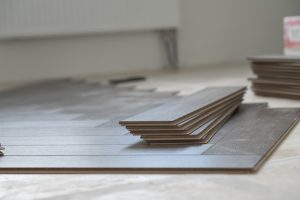
Laminate flooring is another budget-friendly pick. It resembles hardwood at a much lower cost, offering strength thanks to its high-density fiberboard core, and it resists scratches and stains.
Laminate also offers the benefit of simple installation, which can help save on labor costs if you’re taking a DIY approach.
Ceramic tiles are another cost-effective option, offering elegance at a lower price point. They’re easy to clean, durable, and come in many designs, although professional installation may be required, which could increase costs.
If you’re eco-conscious, bamboo or cork are great renewable alternatives. Bamboo resembles hardwood and is visually appealing, while cork is comfortable to walk on and provides excellent sound insulation.
Long-Term Investment Considerations
When planning your flooring project, think beyond the initial cost and consider the long-term investment. A well-rounded budget includes both the initial outlay and future maintenance and durability costs.
Choosing wisely can save you money and increase your home’s value. Here’s how:
- Durability: Opt for materials known for their longevity, like hardwood, engineered wood, and high-end vinyl, which resist wear and tear, ensuring your floors last for years.
- Maintenance: Evaluate the maintenance required for each type of flooring. Stone and tile might need sealing, while carpets require regular cleaning. Choose materials that align with your desired upkeep level.
- Resale Value: Certain materials, such as hardwood, can significantly increase your home’s resale value. Consider how your flooring choice will influence future buyers and your return on investment.
- Warranty and Lifespan: Check manufacturer warranties and the expected lifespan of your flooring. A longer warranty often reflects the product’s quality, giving you peace of mind and potentially saving money in the long run.
Maintenance and Care
Taking care of your floors is crucial for maintaining their appearance and longevity.
For hardwood, regularly sweep or vacuum to remove dirt and debris, which can scratch the surface. When mopping, use a damp cloth with a wood-safe cleaner, but avoid excessive moisture.
Tile floors should be cleaned regularly, and grout lines should be scrubbed with a soft brush and mild detergent. Annual sealing of grout can help protect against discoloration and mildew.
Laminate floors need special care. Avoid traditional wet mopping and instead use a dry microfiber mop. If spills occur, wipe them up immediately to prevent swelling.
Carpeted areas should be vacuumed often to prevent dirt buildup. Professional cleaning is advised once or twice a year. For spot cleaning, always use a carpet-safe cleaner.
In all cases, place protective pads under heavy furniture to prevent indentations, and consider using rugs in high-traffic areas to minimize wear.
Frequently Asked Questions
How Does Flooring Installation Impact Home Resale Value in Kent?
Quality flooring can significantly raise your Kent home’s resale value.
Buyers often favor high-end materials like hardwood or natural stone, as they signify durability and luxury. Proper installation ensures longevity, avoiding potential issues that could deter buyers.
A modern, cohesive flooring style can make spaces appear larger and more inviting.
In Kent’s competitive housing market, investing in quality flooring is a smart decision that increases appeal and can justify a higher asking price.
What Are the Current Flooring Trends Popular in Kent Homes?
Sustainability is a top priority for many Kent homeowners, with 80% preferring eco-friendly flooring options.
Bamboo and cork are popular choices, as they’re stylish and environmentally responsible.
Luxury vinyl planks are also in demand, with their water-resistant properties making them perfect for busy families.
Consider these materials for their durability, aesthetic value, and environmental benefits.
How Can I Ensure My Flooring Is Installed Correctly?
To ensure your flooring is installed correctly, hire an experienced professional. Verify their credentials and check their references.
Ensure the subfloor is clean, dry, and level before installation begins, and choose the appropriate underlayment for your flooring type.
During installation, supervise to ensure the manufacturer’s specifications are followed.
After installation, inspect for any gaps or misalignments. Address any issues right away to ensure a flawless finish.
What Are the Best Flooring Options for Homes With Pets?
Pet-friendly flooring is a must, and the most durable options include luxury vinyl, laminate, and tile.
Luxury vinyl is water-resistant, easy on pets’ paws, and simple to clean. Laminate resists scratches and stains, while tile is extremely durable.
These materials will withstand the wear and tear of your pet’s playful activities and keep your floors looking great for years.
How Do I Choose a Professional Flooring Installer in Kent?
To choose a skilled flooring installer in Kent, start by researching local companies with strong reputations.
Look for online reviews and ask for recommendations from family or friends.
Verify the installer’s credentials, such as licenses and insurance, and ensure they meet industry standards.
Request detailed quotes from multiple installers to compare pricing and services.
Don’t hesitate to ask for references and check past project portfolios.
Trust your instincts and choose an installer who communicates professionally and confidently.
Conclusion
You’ve mastered the flooring project journey—carefully matching materials to Kent’s climate and your budget. Whether you chose durable hardwood or sustainable bamboo, your decisions will enhance your home’s beauty and longevity. You’re now equipped to manage costs, select materials, and maintain your floors with confidence. Your flooring choices will not only provide comfort and style but also increase the value of your home for years to come. Well done!