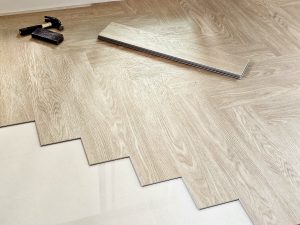


Picking the right flooring for your home can feel overwhelming when you’re faced with so many options. Should you go for the warmth of carpet, the practicality of vinyl, or the stylish look of laminate? Each flooring type has its own strengths and works better in different rooms around your Kent home.
At Kent Flooring UK, we’ve been helping homeowners across Kent, London, and the South East make these decisions for over 20 years. This straightforward guide will help you understand the differences between carpet, vinyl, and laminate flooring, so you can choose the best option for every room in your home.
Understanding Your Three Main Options
Before diving into the details, let’s look at what each flooring type actually is and what makes it different.
Carpet Flooring
Carpet is a soft textile floor covering made from natural or synthetic fibres. Modern carpets come in various materials including wool, nylon, polyester, and polypropylene. They offer comfort underfoot and excellent sound insulation, making them popular choices for bedrooms and living areas.
Vinyl Flooring
Vinyl is a synthetic flooring material made primarily from polyvinyl chloride (PVC). Today’s vinyl flooring options, particularly luxury vinyl tiles (LVT), can convincingly replicate the look of wood, stone, or ceramic tiles whilst being completely waterproof. Vinyl works brilliantly in kitchens, bathrooms, and high-traffic areas.
Laminate Flooring
Laminate consists of multiple layers pressed together, with a photographic image of wood or stone on top and a protective wear layer above that. Modern laminate flooring uses advanced printing technology to create realistic wood-grain patterns. It’s a cost-effective alternative to real wood that handles daily wear exceptionally well.
Flooring Comparison: The Key Differences
Feature |
Carpet |
Vinyl |
Laminate |
Water Resistance |
Poor – unsuitable for wet areas
|
Excellent – fully waterproof options available
|
Moderate – water-resistant but not waterproof
|
Durability |
Moderate – shows wear in high-traffic areas
|
Excellent – scratch and stain resistant
|
Very good – scratch resistant but can chip
|
Comfort |
Excellent – soft and warm underfoot
|
Good – warmer than tiles but firmer than carpet
|
Moderate – harder surface but can use underlay
|
Maintenance |
Regular vacuuming and occasional deep cleaning
|
Easy – sweep and mop
|
Very easy – sweep and damp mop
|
Installation |
Professional fitting recommended
|
DIY-friendly with click systems
|
DIY-friendly with click-lock systems
|
Lifespan |
5-15 years depending on quality
|
10-20 years
|
10-20 years
|
Cost |
£15-£50+ per square metre
|
£20-£60+ per square metre
|
£15-£40+ per square metre
|
Best Rooms |
Bedrooms, living rooms, stairs
|
Kitchens, bathrooms, hallways
|
Living rooms, bedrooms, dining rooms
|
Room-by-Room Recommendations
Different rooms have different requirements. Here’s what works best in each space.
Bedrooms
Best choice: Carpet or laminate
Bedrooms benefit from the warmth and comfort that carpet provides. There’s nothing quite like stepping onto soft carpet first thing in the morning. However, laminate works well if you prefer easier maintenance or suffer from allergies, as it doesn’t trap dust and allergens like carpet can.
Living Rooms
Best choice: All three options work well
Your living room choice depends on your lifestyle. Carpet creates a cosy, comfortable space perfect for families. Vinyl offers durability if you have pets or young children. Laminate provides a modern, stylish look that’s easy to keep clean.
Kitchens
Best choice: Vinyl
Kitchens need flooring that can handle spills, splashes, and heavy foot traffic. Vinyl is the clear winner here. It’s completely waterproof, easy to clean, and stands up well to dropped utensils and appliances. Carpet simply isn’t practical in kitchens, whilst laminate can be damaged by water if spills aren’t cleaned immediately.
Bathrooms
Best choice: Vinyl
Like kitchens, bathrooms need waterproof flooring. Vinyl is ideal because it won’t be damaged by shower splashes or bath overflows. Many vinyl products also offer slip-resistant surfaces for added safety. Carpet is unsuitable for bathrooms, and laminate risks swelling if water seeps between the planks.
Hallways and Stairs
Best choice: Carpet or vinyl
High-traffic areas like hallways need durable flooring. Carpet with a low pile and high-quality underlay works well and provides sound insulation. Vinyl offers excellent durability and is easier to clean. Laminate can work but may show wear more quickly in these busy areas.
Maintenance Requirements
How much time do you want to spend looking after your floors?
Carpet Care
Carpets need regular vacuuming, ideally twice a week in high-traffic areas. Spills must be dealt with immediately to prevent staining. Professional deep cleaning every 12-18 months keeps carpets looking their best and extends their lifespan. Some carpet fibres, like nylon, are more stain-resistant than others.
Vinyl Maintenance
Vinyl is incredibly low-maintenance. Regular sweeping or vacuuming removes dirt and grit. Occasional damp mopping with a mild cleaner keeps vinyl looking fresh. The protective wear layer resists scratches and stains, making vinyl perfect for busy households.
Laminate Upkeep
Laminate requires minimal effort to maintain. Sweep or vacuum regularly to prevent grit from scratching the surface. Wipe up spills promptly to prevent water damage. Use a barely damp mop for deeper cleaning, but avoid excessive water. Unlike real wood, laminate cannot be sanded and refinished when it shows wear.
Cost Considerations
Budget plays a big role in flooring decisions, but remember to consider long-term value as well as initial costs.
Initial Investment
Carpet and laminate typically have similar upfront costs, ranging from £15-£50 per square metre depending on quality. Vinyl can be slightly more expensive, especially luxury vinyl tiles from premium brands like Karndean or Amtico, which can cost £40-£80 per square metre.
Installation Costs
Professional carpet fitting usually costs £3-£7 per square metre. Vinyl and laminate installation tends to be slightly cheaper at £2-£5 per square metre, or you can save money by installing these yourself thanks to their click-lock systems.
Long-Term Value
Whilst vinyl and laminate may cost more initially, they often last longer than carpet and require less maintenance. Carpet might need replacing after 10 years in high-traffic areas, whilst quality vinyl or laminate can last 15-20 years or more.
Building Regulations and Standards
When installing flooring, it’s important to ensure your choice meets UK building standards. Ground floors need adequate damp proofing and thermal insulation, whilst upper floors in flats or semi-detached homes must meet sound insulation requirements to prevent noise transmission between properties.
The Planning Portal provides detailed guidance on flooring building regulations, covering structural support, moisture resistance, and heat loss prevention. Professional carpet fitters and flooring installers like those at Kent Flooring UK understand these requirements and ensure all installations comply with current regulations.
Making Your Final Decision
The best flooring choice depends on your specific needs and circumstances. Consider these questions:
How much foot traffic will the room get? High-traffic areas need durable options like vinyl or quality laminate.
Is water exposure a concern? Bathrooms and kitchens need waterproof vinyl flooring.
What’s your budget? All three options offer choices at different price points, but remember to factor in longevity.
Do you have pets or young children? Vinyl handles accidents and spills better than carpet or laminate.
How important is comfort underfoot? Carpet wins for softness and warmth.
Are allergies an issue? Hard surfaces like vinyl and laminate are easier to keep allergen-free than carpet.
Get Expert Advice for Your Kent Home
Choosing the right flooring doesn’t have to be complicated. At Kent Flooring UK, our experienced team has been helping homeowners across Kent, London, and the South East select and install the perfect flooring for over 20 years.