

Choosing the right flooring for your home can feel overwhelming. With so many options available, it’s important to understand what works best for your lifestyle and budget. At Kent Flooring, we help homeowners across Kent, London, and the South East make the perfect choice for their homes.
Today, we’re looking at two of the most popular flooring options: carpets and vinyl flooring. Both have their strengths, and the right choice depends on your specific needs, room usage, and personal preferences.
Understanding Your Options
What Is Carpet?
Carpet is a soft, textile floor covering that adds warmth and comfort to any room. Modern carpets come in various materials, including wool, nylon, and synthetic fibres. They’re available in countless colours, patterns, and textures to match any home’s style.
What Is Vinyl Flooring?
Vinyl flooring is a synthetic material made from polyvinyl chloride (PVC). Today’s luxury vinyl tiles and planks look remarkably like real wood, stone, or ceramic tiles. They’re designed to be durable, waterproof, and easy to maintain.
Side-by-Side Comparison
Let’s examine how carpets and vinyl flooring compare across the most important factors:
| Factor | Carpet | Vinyl Flooring |
|---|---|---|
| Comfort | Soft and warm underfoot, excellent for bare feet | Firm surface, but can be made softer with underlay |
| Initial Cost | £15-60 per square metre | £20-80 per square metre |
| Durability | 5-15 years, depending on quality | 10-25 years with proper care |
| Water Resistance | Poor – can develop mould if wet | Excellent – completely waterproof |
| Maintenance | Regular vacuuming, professional cleaning are needed | Simple sweeping and mopping |
| Noise Reduction | Excellent sound absorption | Can increase noise without an underlay |
| Allergen Control | Can trap allergens but also filter air | Easy to clean, doesn’t harbour allergens |
Comfort and Feel
Carpet wins hands-down for comfort. There’s nothing quite like the soft, cushioned feeling of carpet under your feet, especially on cold mornings. Carpet also provides excellent insulation, keeping rooms warmer in winter.
Vinyl flooring feels firmer underfoot, similar to wood or tile. However, modern luxury vinyl planks can be installed with padded underlayment to improve comfort. While not as soft as carpet, vinyl doesn’t feel cold to the touch like some hard flooring materials.
Price Considerations
Initial Costs: Carpet usually costs less to install initially, ranging from £2-8 per square foot (roughly £22-86 per square metre), whilst vinyl flooring costs £4-16 per square foot (approximately £43-172 per square metre) installed.
Long-term Value: Whilst carpet might seem cheaper upfront, vinyl often proves more cost-effective over time. Vinyl flooring typically outlasts carpet, which may require replacement every 10 to 15 years, or even sooner in high-traffic areas.
Maintenance Costs: Carpet requires regular professional cleaning, which can cost £100-300 annually for an average home. Vinyl flooring needs only basic cleaning supplies – perhaps £20-50 per year.
Durability and Longevity
Although both types of flooring are durable enough to last for years, vinyl flooring comes out on top. Though there is a risk of tearing or denting, it is more resistant to wear, staining, and water damage.
Carpet can show wear patterns in high-traffic areas and is susceptible to staining. Quality carpets with stain-resistant treatments perform better, but they still can’t match vinyl’s durability.
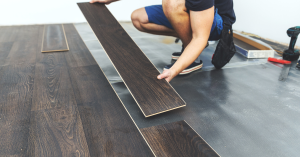
Vinyl flooring handles heavy foot traffic exceptionally well. Vinyl planks and tiles are among the easiest types of flooring to install yourself and can convincingly create the look of wood when laid tightly together.
Room-by-Room Guide
Best Rooms for Carpet
Bedrooms: Carpet’s soft, warm surface makes it ideal for bedrooms. You’ll appreciate the comfort when getting out of bed on cold mornings.
Living Rooms: Perfect for family time, the carpet provides a cosy atmosphere and helps reduce noise between floors.
Home Offices: Carpet helps absorb sound, creating a quieter workspace for calls and concentration.
Stairs: Carpet on stairs provides a better grip and reduces noise for the whole family.
Best Rooms for Vinyl Flooring
Kitchens: Vinyl’s waterproof nature makes it perfect for areas prone to spills and splashes.
Bathrooms: Complete water resistance prevents mould and mildew issues common with other flooring types.
Utility Rooms: Easy to clean and maintain, vinyl handles the mess from muddy boots and pet accidents.
Conservatories: UV-resistant vinyl won’t fade in sunny rooms like some other materials might.
Hallways: High durability makes vinyl perfect for these heavy-traffic areas.
Quality Brands We Stock
Carpet Brands at Kent Flooring
We’re proud to stock Cormar Carpets, a British manufacturer known for quality and durability. Cormar offers excellent stain resistance and comes in beautiful colours and textures. We also carry other premium brands, including:
- Abingdons
- Westex
- Manx Tompkinson
- Ulster
- Cavalier Carpets
- Victoria Carpets
Vinyl Flooring Brands
Our vinyl flooring selection includes top-quality luxury vinyl tiles from:
- Amtico – Premium luxury vinyl with realistic wood and stone designs
- Karndean – High-end designer vinyl flooring with superior wear layers
- Moduleo – Belgian-made luxury vinyl with excellent durability
Health and Environmental Considerations
Allergies and Air Quality
Vinyl plank is a great choice for people with allergies. This bare floor option doesn’t hold dirt, dust, and dander, and it’s resistant to mould and mildew.
Carpet can trap allergens, but it also filters them from the air. Regular vacuuming and professional cleaning help maintain good air quality.
Chemical Concerns
Modern vinyl flooring with FloorScore certification emits low levels of volatile organic compounds (VOCs). According to Consumer Reports’ flooring buying guide, vinyl floors bearing the flooring industry’s FloorScore certification emit relatively low levels of volatile organic compounds. Quality manufacturers like those we stock prioritise safety in their products.
A carpet made from natural fibres like wool is an excellent choice for those who prefer natural materials.
Installation and Maintenance
Carpet Installation and Care
Professional carpet installation ensures proper fitting and longevity. Carpet requires:
- Daily vacuuming in high-traffic areas
- Weekly vacuuming throughout the home
- Professional deep cleaning every 12-18 months
- Immediate attention to spills and stains
Vinyl Installation and Care
Many vinyl floors can be installed as “floating floors” without adhesive, making them DIY-friendly. Maintenance involves:
- Daily sweeping or vacuuming
- Weekly mopping with mild detergent
- Immediate cleanup of spills (though damage is unlikely)
- Using furniture pads to prevent scratches
Making Your Decision
Consider these questions when choosing between carpet and vinyl:
- How much traffic will the room get? High-traffic areas benefit from vinyl’s durability.
- Are water spills likely? Kitchens, bathrooms, and children’s play areas suit vinyl better.
- Do you prioritise comfort? Bedrooms and living areas feel cosier with carpet.
- What’s your maintenance preference? Vinyl requires less ongoing care than carpet.
- Do family members have allergies? Both can work, but vinyl is easier to keep allergen-free.
- What’s your budget? Consider both initial costs and long-term expenses.
The Verdict
There’s no universal “best” choice between carpet and vinyl flooring. The right decision depends on your specific needs, lifestyle, and preferences.
Choose carpet if you want:
- Maximum comfort and warmth
- Sound absorption
- A cosy, homely atmosphere
- Lower initial costs
Choose vinyl if you want:
- Easy maintenance
- Water resistance
- Long-term durability
- Modern, versatile styling
Many families choose a combination of vinyl in high-traffic and wet areas, and carpet in bedrooms and living spaces.
Visit Our Showroom
Ready to see the difference quality flooring can make? Visit our Kent showroom to experience our full range of carpets and vinyl flooring options firsthand.
Our experienced team will help you explore textures, colours, and styles that perfectly match your home and lifestyle. We’ll provide honest advice about what works best for your specific situation and budget.
Book your showroom visit today and take the first step towards beautiful, practical flooring that you’ll love for years to come.
Frequently Asked Questions
Q: Which flooring type adds more value to my home?
A: Both quality carpet and vinyl flooring can add value, but it depends on the room and your target market. Vinyl often appeals to buyers looking for low-maintenance options, whilst good carpet creates a premium feel in bedrooms and living areas. Quality installation and appropriate room selection matter more than the material type.
Q: Can I install vinyl flooring over existing carpet?
A: It’s not recommended to install vinyl directly over carpet. The uneven surface can cause problems with the vinyl installation. It’s better to remove the carpet first and ensure you have a clean, level subfloor for the best results.
Q: How do I know if I’m choosing the right quality level?
A: Consider your household’s needs. For high-traffic areas, invest in higher-quality options with better wear layers (for vinyl) or higher twist rates (for carpet). For low-traffic guest bedrooms, mid-range options often provide excellent value. Our team can help you match quality to usage.
Q: What about pets – which flooring works better?
A: Vinyl flooring is generally easier for pet owners. It’s waterproof, scratch-resistant, and doesn’t hold odours. However, quality stain-resistant carpet with good padding can work well too, especially if you prefer the comfort factor. Consider your pet’s size, activity level, and any accident-prone behaviours when deciding.