

You’ve likely heard the theory that vinyl floors offers a unique blend of durability and style. But how much truth does this claim hold?
As you explore the options for your next home renovation project, it’s essential to weigh the benefits of vinyl flooring. Vinyl’s resilience, cost-effectiveness, and ease of installation are all factors to consider. Not to mention, its low maintenance needs and design versatility make it an attractive choice for any room.
However, to fully appreciate why vinyl flooring might just be the solution you’re looking for, let’s examine these advantages more closely. By uncovering the aspects that aren’t as widely discussed, you can make an informed decision that aligns with your specific needs and preferences.
Key Takeaways
– Vinyl flooring offers durability and resilience, making it ideal for high-traffic areas and areas prone to drops and impact.
– Vinyl flooring is cost-effective, providing long-term savings through its affordable initial investment, low maintenance costs, and potential energy efficiency.
– Vinyl flooring is easy to install, with minimal preparation required and the option for click-and-lock systems that eliminate the need for adhesives.
– Vinyl flooring requires low maintenance, with regular sweeping and occasional mopping being sufficient, thanks to its exceptional stain resistance.
Durability and Resilience
One of the standout features of vinyl flooring is its remarkable durability and resilience, ensuring it can withstand heavy foot traffic and resist wear and tear over time. You’ll find that impact resistance is a key advantage, making vinyl floors an ideal choice for areas in your home or business where items might be dropped frequently. This resilience means your flooring won’t easily dent or scratch, maintaining its appearance and functionality for years.
Moreover, water resistance is another critical aspect of vinyl flooring’s durability. Unlike some other flooring types, vinyl doesn’t swell or warp when exposed to moisture. This makes it perfect for kitchens, bathrooms, and basements where spills and humidity are common. You won’t have to worry about the occasional spill ruining your floor, as vinyl can handle it beautifully.
In essence, vinyl flooring offers you peace of mind with its robustness against daily challenges. Its impact and water resistance ensure that not only does it look great when installed, but it continues to perform and appear as good as new with minimal maintenance. Investing in vinyl means investing in a durable, resilient solution that stands the test of time.
Cost-Effectiveness
In addition to its durability and resistance, vinyl flooring stands out as a cost-effective option, offering significant savings over time without compromising on style or quality. When you’re considering flooring options, it’s essential to look at the long-term picture.
Vinyl floors not only provide an affordable initial investment but also contribute to lower maintenance and replacement costs. This is because they’re incredibly resilient and easy to clean, meaning you won’t have to spend a fortune keeping them in top condition or replacing them due to damage.
Moreover, vinyl flooring enhances energy efficiency in your home. Its insulating properties can help keep your space warmer during the winter and cooler in the summer, potentially saving you a considerable amount on heating and cooling bills.
This aspect, combined with its acoustic properties, which can significantly reduce noise levels, makes vinyl flooring an economically and environmentally smart choice.
Easy Installation
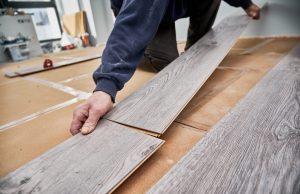
While considering the economic benefits of vinyl flooring, it’s also worth noting that their ease of installation further adds to their overall value. You’ll find that with the right installation tools and a clear understanding of the preparation steps, you can undertake this project with confidence, even as a DIY enthusiast.
To begin, the preparation steps involve ensuring your subfloor is clean, dry, and level. It’s crucial to address any irregularities in the subfloor to prevent issues after installation. Vinyl flooring often requires minimal preparation compared to other flooring types, which can significantly reduce the time and effort needed.
When it comes to installation tools, you’ll need a utility knife, a tape measure, and a straight edge for most vinyl flooring types. These tools are relatively inexpensive and easy to use, making the installation process accessible to many homeowners. Additionally, certain vinyl flooring options feature a click-and-lock system, eliminating the need for adhesives and further simplifying the installation process.
This ease of installation not only saves you time but can also reduce the overall cost of your flooring project. By following the straightforward preparation steps and utilising basic installation tools, you can achieve a professional-looking finish without the need for specialised skills.
Low Maintenance
Vinyl flooring’s low maintenance requirements make it an ideal choice for busy households and high-traffic areas, offering a hassle-free solution to keep your floors looking their best. Its cleaning ease is one of the most appreciated features, allowing you to maintain a spotless appearance with minimal effort. Regular sweeping and occasional mopping with mild detergents are all it takes to keep your vinyl floors in pristine condition. This straightforward cleaning routine saves you time and energy, ensuring that your living spaces remain inviting and hygienic without the need for harsh chemicals or labour-intensive scrubbing.
Moreover, vinyl flooring boasts exceptional stain resistance, further simplifying maintenance. Spills and splashes can be quickly wiped away without leaving behind any permanent marks, preserving the floor’s aesthetic appeal for years to come. This resistance to staining is especially beneficial in kitchens, bathrooms, and dining areas where spills are more common. You won’t have to worry about immediate clean-up to prevent damage, providing peace of mind for homeowners who lead busy lives or have young children.
Design Versatility
One of the most compelling advantages of vinyl flooring lies in its remarkable design versatility, allowing you to mimic a wide array of textures and patterns to complement any interior decor theme. This flexibility is a game-changer for homeowners and designers alike, offering an impressive palette to work with.
Consider these aspects of vinyl flooring’s design versatility:
- Color Variety: Vinyl floors come in an extensive range of colours, from soft pastels to vibrant hues. This colour variety ensures that no matter your room’s colour scheme, you’ll find a matching or complementary shade in vinyl.
- Texture Options: Beyond colour, the texture is where vinyl flooring truly shines. Options include smooth finishes that mimic polished concrete, embossed textures that replicate the feel of natural wood, and everything in between.
- Pattern Diversity: From geometric patterns to realistic stone and wood designs, vinyl flooring offers an array of choices. This diversity allows for creative installations and unique room themes.
- Customization Potential: Some vinyl flooring options offer customization, enabling you to create a truly unique space.
Through these features, vinyl flooring provides an unparalleled opportunity to bring your design vision to life.
Frequently Asked Questions
How Do Vinyl Floors Impact Indoor Air Quality and Are They Safe for Homes With Pets and Children?
Vinyl floors can significantly improve indoor air quality by reducing allergens. They’re safe for homes with pets and children, thanks to low chemical emissions. You’ll find they offer a healthier living environment for your family.
Can Vinyl Flooring Be Used in Outdoor Spaces or in Rooms With High Moisture, Like Bathrooms and Kitchens?
Yes, you can use vinyl flooring in outdoor spaces and moisture-rich areas like bathrooms and kitchens. Its moisture resistance and outdoor durability make it a reliable choice, ensuring your floors remain shipshape.
Are There Any Recycling or Environmentally Friendly Disposal Methods for Vinyl Flooring at the End of Its Life Cycle?
Yes, you’ll find recycling challenges with vinyl flooring, but there are green alternatives for disposal. Many companies now accept old vinyl for recycling, turning it into new products and reducing environmental impact.
How Does the Underlayment Material Affect the Performance and Comfort of Vinyl Flooring?
The underlayment you choose directly impacts your vinyl flooring’s performance and comfort, tackling installation challenges and enhancing acoustic benefits. It’s a crucial layer that ensures durability and noise reduction, elevating your space’s overall feel.
Can Vinyl Floors Be Repaired if They Are Damaged, or Do They Need to Be Completely Replaced?
You can repair damaged vinyl floors instead of replacing them. Explore repair techniques like patching options, which effectively address issues, maintaining your floor’s appearance and functionality without the need for a complete overhaul.
Conclusion
In conclusion, opting for vinyl flooring isn’t just a choice; it’s an investment in durability, cost-efficiency, and design flexibility.
Remarkably, studies show that vinyl floors can last up to 20 years with minimal maintenance, underscoring their resilience and value.
This, combined with their simple installation and vast design options, makes them an unbeatable choice for both residential and commercial spaces.
Embrace vinyl flooring for its unparalleled blend of style, longevity, and affordability.