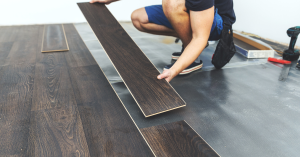


Choosing the right flooring for your home can feel overwhelming. With so many options available, vinyl flooring has become one of the most popular choices for homeowners across Kent and beyond. Whether you’re renovating your kitchen, updating your bathroom, or looking for a durable solution for high-traffic areas, understanding the different types of vinyl flooring will help you make the best decision for your space.
Vinyl flooring offers an excellent balance of affordability, durability, and style. It’s water-resistant, easy to maintain, and comes in designs that can mimic everything from natural wood to luxury stone. But not all vinyl flooring is the same. Let’s explore the three main types and help you choose the perfect option for your home.
What Is Vinyl Flooring?
Vinyl flooring is a synthetic flooring material made primarily from polyvinyl chloride (PVC). It’s designed to be resilient, which means it can bounce back from pressure and wear. This makes it perfect for busy family homes where durability matters just as much as appearance.
Modern vinyl flooring has come a long way from the basic patterns of decades past. Today’s options offer realistic textures and high-definition prints that can fool even the keenest eye. The best part? You get the look of expensive materials like hardwood or natural stone at a fraction of the cost.
The Three Main Types of Vinyl Flooring
Sheet Vinyl Flooring
Sheet vinyl, also known as vinyl roll flooring, comes in large continuous rolls, typically 6 or 12 feet wide. This means fewer seams in your room, creating a smooth, uninterrupted surface.
Key Features:
- Comes in wide rolls for minimal seaming
- Soft and comfortable underfoot
- Excellent water resistance due to fewer joints
- Budget-friendly option
Best for:
- Bathrooms and wet rooms
- Kitchens and utility areas
- Laundry rooms
- Any space where moisture is a concern
Sheet vinyl is particularly popular in areas where water resistance is crucial. Since there are fewer seams, there’s less chance for water to seep underneath and cause damage. However, if part of the floor gets damaged, you typically need to replace the entire sheet.
Vinyl Tiles (VCT and LVT)
Vinyl tiles come in individual square pieces that are installed one by one. There are two main types: Vinyl Composition Tiles (VCT) and Luxury Vinyl Tiles (LVT).
Vinyl Composition Tiles (VCT):
- Made with a small amount of vinyl mixed with limestone and clay
- Very durable and cost-effective
- Requires regular maintenance and waxing
- Popular in commercial settings
Luxury Vinyl Tiles (LVT):
- Made entirely from vinyl
- Superior design quality with realistic textures
- Low maintenance requirements
- Perfect for both residential and commercial use
Key Features:
- Easy to replace individual tiles if damaged
- Wide variety of designs and patterns
- Can create custom layouts and designs
- Good for DIY installation
Best for:
- Living rooms and bedrooms
- Hallways and corridors
- Areas where design flexibility is important
- Spaces that need easy repair options
Vinyl Planks (LVP)
Vinyl planks, or Luxury Vinyl Planks (LVP), are long, narrow strips designed to look like real hardwood flooring. They’re typically thicker than other vinyl options, making them more durable and realistic.
Key Features:
- Authentic wood appearance with texture
- Thicker construction for better durability
- Click-lock installation system
- Available in various core types (WPC, SPC)
Types of Vinyl Plank Cores:
- WPC (Wood Plastic Composite): Softer underfoot, good sound absorption
- SPC (Stone Plastic Composite): More rigid and durable, better for heavy traffic
Best for:
- Main living areas
- Bedrooms
- Home offices
- Areas where you want the warmth of wood without the maintenance
Room-by-Room Guide: Which Vinyl Works Where
| Room Type | Best Vinyl Option | Why It Works |
|---|---|---|
| Bathroom | Sheet Vinyl | Excellent water resistance, fewer seams |
| Kitchen | Sheet Vinyl or LVP | Easy to clean, handles spills well |
| Living Room | LVP or LVT | Attractive appearance, comfortable underfoot |
| Bedroom | LVP | Warm wood look, quieter than tiles |
| Hallway | LVT or LVP | Durable for high traffic, easy to maintain |
| Utility Room | Sheet Vinyl | Water-resistant, budget-friendly |
| Basement | LVP with waterproof core | Moisture resistance, comfortable temperature |
Budget vs Luxury Vinyl Options
Understanding the differences between budget and luxury vinyl options helps you make an informed choice that fits your needs and wallet.
Budget Vinyl Options
Price Range: £10-25 per square metre
Features:
- Thinner construction (2-4mm)
- Basic print quality
- Limited texture variation
- Glue-down installation
- Shorter warranties (5-10 years)
Best for:
- Rental properties
- Temporary solutions
- Low-traffic areas
- Tight budgets
Luxury Vinyl Options
Price Range: £25-60+ per square metre
Features:
- Thicker construction (5-12mm)
- High-definition printing
- Realistic textures and embossing
- Click-lock installation
- Extended warranties (15-25 years)
- Better sound absorption
- Enhanced durability
Best for:
- Family homes
- High-traffic areas
- Long-term investments
- Areas where appearance matters most
Understanding Lino Flooring vs Vinyl Flooring
Many people confuse linoleum (lino) with vinyl flooring, but they’re quite different materials.
Linoleum:
- Made from natural materials (linseed oil, cork, wood flour)
- Biodegradable and eco-friendly
- Can be more comfortable underfoot
- Requires more maintenance
- Generally more expensive
Vinyl:
- Synthetic material (PVC-based)
- More water-resistant
- Easier to maintain
- More design options
- Better value for money
For most homeowners, vinyl flooring offers better practical benefits, especially in moisture-prone areas like kitchens and bathrooms.
Installation Considerations
Professional vs DIY Installation
DIY-Friendly Options:
- Click-lock vinyl planks and tiles
- Self-adhesive vinyl tiles
- Loose-lay vinyl planks
Professional Installation Recommended:
- Sheet vinyl (requires precise cutting)
- Glue-down options
- Areas requiring complex patterns
- Rooms with lots of fixtures
Subfloor Requirements
All vinyl flooring needs a clean, level, and dry subfloor. Any imperfections will show through, especially with thinner products. Professional vinyl flooring fitters ensure proper subfloor preparation for the best results.
UK building regulations require that floors are suitable for their intended use and meet safety standards. For detailed information about flooring standards and regulations, see the UK Government’s building regulations guidance.
Maintenance and Care
One of vinyl flooring’s biggest advantages is how easy it is to maintain:
Daily Care:
- Sweep or vacuum regularly
- Wipe up spills immediately
- Use doormats to reduce dirt
Weekly Cleaning:
- Damp mop with mild cleaner
- Avoid harsh chemicals
- Don’t flood the floor with water
Long-term Maintenance:
- Some budget options may need periodic waxing
- Luxury vinyl typically needs no special treatments
- Address the damage quickly to prevent the spread
Choosing the Right Kent Vinyl Flooring Fitters
Professional installation makes a significant difference in how your vinyl flooring looks and performs. When choosing vinyl flooring fitters in Kent, consider:
- Experience with your specific vinyl type
- Proper subfloor preparation methods
- Warranties on installation work
- Local references and reviews
- Comprehensive quotes including materials and labour
At Kent Flooring, our experienced team has been installing vinyl flooring across Kent, London, and the South East for over 20 years. We work with all major vinyl flooring brands, including Amtico, Karndean, and Moduleo for domestic projects, plus commercial-grade options from Polyflor, Altro, and Tarkett for business clients.
Making Your Final Decision
When choosing between vinyl tiles, sheets, and planks, consider these key factors:
- Room function: Wet areas favour sheet vinyl, while living spaces benefit from planks or tiles
- Budget: Sheet vinyl is most economical, luxury planks cost more but offer better appearance
- Installation: DIY-friendly options include click-lock planks and self-adhesive tiles
- Longevity: Invest in thicker, higher-quality options for long-term satisfaction
- Style preferences: Planks for wood looks, tiles for stone/ceramic appearance, sheets for solid colours
Frequently Asked Questions
How long does vinyl flooring last?
Quality vinyl flooring typically lasts 10-20 years with proper care. Luxury options with thicker wear layers can last even longer. The key factors affecting lifespan include the quality of the product, installation, and maintenance. Budget options may need replacement sooner, whilst premium luxury vinyl can last 25+ years in residential settings.
Can vinyl flooring be installed over existing floors?
In many cases, yes. Vinyl can often be installed over existing vinyl, tiles, or even some hardwood floors, provided the surface is level, clean, and structurally sound. However, sheet vinyl typically requires a new subfloor for best results. Professional assessment ensures proper installation over existing surfaces.
Is vinyl flooring suitable for underfloor heating?
Most modern vinyl flooring is compatible with underfloor heating systems. However, it’s important to check manufacturer specifications and ensure the system doesn’t exceed recommended temperatures (usually around 27°C). Luxury vinyl planks and tiles generally perform better with underfloor heating than sheet vinyl.
What’s the difference between water-resistant and waterproof vinyl?
Water-resistant vinyl can handle spills and moisture, but isn’t completely impervious to water penetration over time. Waterproof vinyl has enhanced core construction that prevents water from penetrating through to the subfloor. For bathrooms and areas with frequent water exposure, choose waterproof options for complete peace of mind.
Get Expert Advice for Your Vinyl Flooring Project
Choosing the right vinyl flooring doesn’t have to be complicated. With the right information and professional guidance, you can find the perfect solution for your space and budget.
For expert advice on vinyl flooring options and professional installation across Kent, contact our team today. We’ll help you explore the full range of vinyl flooring solutions and provide a comprehensive quote tailored to your specific needs.
Our vinyl flooring services include the supply and installation of all types of vinyl flooring, from budget-friendly sheet options to luxury designer planks and tiles. With over 20 years of experience serving customers across Kent, Essex, and London, we’re here to help you make the right choice for your home.