
 Whether you are moving into a brand new build or giving an older home a fresh start, choosing the right flooring is one of the biggest decisions you will make. Get it right and your floors will look great, last for years, and suit the way your family actually lives. Get it wrong and you could be replacing them sooner than you expected.
This guide breaks it all down room by room, so you can make smart choices for your Kent home without the confusion.
New Build or Renovation: Is There a Difference?
The short answer is yes, there can be.
In a new build, the subfloor is typically fresh concrete screed or timber. This gives you a blank canvas, but it also means the screed needs to dry fully before some flooring types can go down. This can take longer than people expect.
In a renovation, you may be working on top of existing floors, dealing with uneven surfaces, or trying to match flooring in adjoining rooms. Each situation calls for slightly different thinking.
Either way, the choices available to you are broadly the same. It comes down to which room you are flooring, your budget, and how you use your home.
Room-by-Room Flooring Guide
Bedrooms
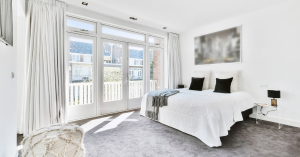
Bedrooms are where carpet really shines. It is warm underfoot, quieter to walk on, and gives a room a cosy, comfortable feel. For a new build or a freshly renovated bedroom, a good quality wool or synthetic carpet adds a sense of luxury at a reasonable price.
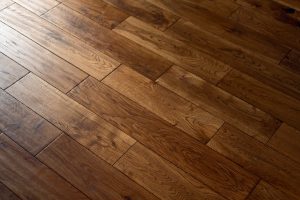
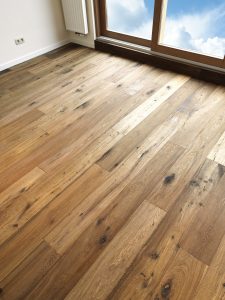
If you prefer a hard floor in your bedroom, engineered wood flooring is an excellent option. It looks beautiful, adds real value to your home, and handles the lower traffic levels of a bedroom very well. Pair it with a rug for warmth.
Best choices: Carpet, engineered wood
Living Rooms and Lounges
Your living room does a lot of work. It handles children, pets, muddy shoes, and family life on a daily basis.
Carpets in Kent homes have always been a popular choice for lounges because they are comfortable, absorb sound well, and come in an enormous range of styles and colours. If you go for carpet here, choose a fibre that suits your lifestyle. Nylon and polypropylene are more hardwearing and easier to clean. Wool is luxurious and natural but costs more.
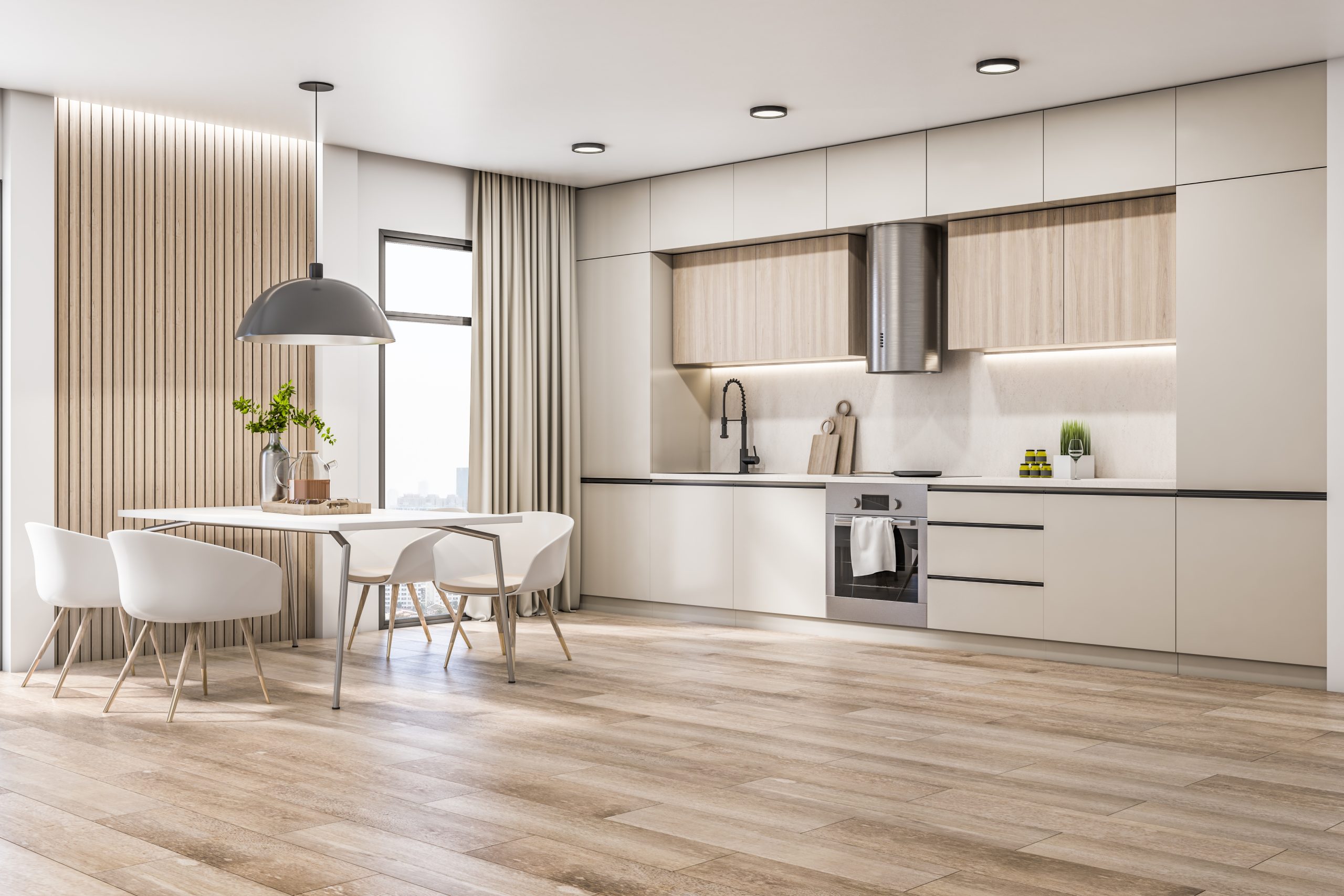
For open-plan living areas that flow into a kitchen or dining space, a hard floor makes more sense. Luxury vinyl tile (LVT) works brilliantly across these multi-use zones because it is waterproof, durable, and looks great.
Best choices: Carpet (lounges), LVT or engineered wood (open-plan spaces)
Kitchens
Kitchens are tough on floors. Spills, dropped pans, steam, and heavy foot traffic are all part of daily life, so you need something that can take it.
Luxury vinyl flooring is the most popular choice for kitchens in Kent right now, and it is easy to see why. Modern LVT is completely waterproof, warm and comfortable to stand on, and comes in designs that look just like real wood or stone. Brands like Amtico, Karndean, and Moduleo offer stunning finishes that are hard to tell apart from the real thing.
Ceramic tiles are another reliable option, particularly in large farmhouse-style kitchens. They are hard-wearing and easy to clean, though they can feel cold and hard underfoot.
Best choices: LVT, ceramic tiles
Bathrooms and Wet Rooms
Water and moisture mean you need to be very careful with your flooring choice here. Real wood and standard laminate are not suitable for bathrooms.
LVT is again the standout option. It is fully waterproof, non-slip when textured properly, and comes in tile and plank formats that look great in a modern bathroom. Ceramic and porcelain tiles are the other proven choice, especially in wet rooms and around shower areas.
Best choices: LVT, ceramic or porcelain tiles
Hallways and Stairs
Your hallway is the most heavily used floor in the house. It needs to handle daily traffic, muddy boots, and everything in between.
Hard-wearing options like LVT, ceramic tiles, or engineered wood all work well here. If you prefer a softer look, a flat-woven carpet or stair runner on stairs adds warmth without sacrificing too much durability.
For stairs specifically, carpet remains the most practical and safe choice. It provides grip, cushions falls, and reduces noise.
Best choices: LVT, engineered wood, carpet (stairs)
Utility Rooms and Home Offices
These spaces tend to be practical rather than decorative. Vinyl sheet flooring or LVT work well in utility rooms where washing machines and water pipes mean moisture is a risk. For home offices, comfort underfoot matters more.
Best choices: LVT or vinyl (utility rooms), carpet (home offices)
Quick Comparison Table
Room |
Best Flooring |
Why |
|---|---|---|
Bedroom |
Carpet, engineered wood |
Comfort and warmth underfoot |
Living room |
Carpet, LVT, engineered wood |
Comfort, looks, and durability |
Kitchen |
LVT, ceramic tiles |
Waterproof and easy to clean |
Bathroom |
LVT, ceramic/porcelain tiles |
Fully waterproof |
Hallway |
LVT, engineered wood, carpet |
High traffic durability |
Stairs |
Carpet |
Grip and safety |
Open-plan living |
LVT, engineered wood |
Consistent look across zones |
Utility room |
LVT, vinyl |
Moisture resistance |
Home office |
Carpet |
Comfort and practicality |
Does Flooring Need to Meet Building Regulations?
For most domestic flooring choices, building regulations do not apply to the floor covering itself. However, if you are undertaking a new build or extension, the subfloor structure, insulation, and damp proofing must meet building standards. You can find detailed guidance on what is required for floor construction in new builds and extensions on the Planning Portal’s Building Regulations: Flooring page for extensions, which covers everything from damp proof membranes to thermal insulation requirements.
Your flooring installer should also ensure the subfloor is properly prepared before any new floor covering goes down. A poorly prepared subfloor can cause expensive problems later on.
Tips for Getting It Right
Think whole-home, not room by room. Before you start, consider how each room connects to the next. Matching or complementary flooring across open spaces looks more intentional and adds to the value of your home.
Set a realistic budget. Flooring costs vary significantly. LVT and laminate offer great value. Engineered wood and carpet from premium brands will cost more but can last for decades with proper care.
Do not forget the underlay. Underlay matters. The right underlay for your chosen floor type improves comfort, reduces noise, and extends the life of your floor.
Use a professional installer. Even the best flooring can let you down if it is not fitted correctly. Professional fitting ensures your floor looks its best and lasts as long as it should.
Ready to Choose Your Flooring in Kent?
Kent Flooring UK has been helping homeowners across Kent, Essex, London, and the South East for over 20 years. Whether you are fitting out a brand new build from scratch or renovating room by room, our team will help you find the right floor for every space.
Get in touch today to arrange a free, no-obligation survey and quotation.