

While some flooring options offer style at the expense of practicality, vinyl flooring provides a harmonious blend of both. You might wonder how a material can be both durable and aesthetically versatile. With its impressive resistance to water and scratches, vinyl’s durability is a given. But what about the other benefits that might sway your decision, like cost-effectiveness and eco-friendliness? A quick installation process and noise reduction capabilities add even more layers to its appeal. Could this be the flooring solution you’ve been searching for? Let’s explore the intriguing advantages of vinyl flooring.
Key Takeaways
– Vinyl flooring is highly durable with scratch and impact resistance, offering a long lifespan.
– It provides excellent water resistance, making it ideal for moisture-prone areas.
– Easy maintenance with simple cleaning routines keeps vinyl flooring looking new.
– Cost-effective installation and long-term savings make vinyl a budget-friendly option.
– A wide range of styles and textures allows vinyl to match various aesthetic preferences.
Durability and Longevity
When considering the intrinsic resilience of vinyl flooring, its durability and longevity stand out as significant advantages. As a flooring expert, you recognize that vinyl’s engineering involves layers specifically designed for scratch resistance and impact resistance.
The wear layer, often made from polyurethane, acts as a shield, protecting the surface against abrasions and scuffs. This layer’s thickness is vital; a thicker wear layer translates into higher scratch resistance and an extended lifespan.
Vinyl flooring’s impact resistance is equally impressive. The core layer, typically constructed from high-density fiberboard or solid PVC, absorbs heavy foot traffic and accidental drops without compromising the surface integrity.
This structural robustness means you’re less likely to encounter issues like dents or cracks, even in high-traffic areas. Understanding the technical specifications, like the wear layer’s thickness and core material density, allows you to select vinyl flooring that meets the demands of your environment.
Moreover, the advanced manufacturing processes guarantee a consistent, uniform surface that maintains its appearance and functionality over time.
Water Resistance
Water resistance is one of vinyl flooring’s standout features, making it an ideal choice for moisture-prone areas. Vinyl flooring is engineered with a robust moisture barrier, effectively preventing water penetration. This characteristic is essential in areas like kitchens, bathrooms, and basements, where moisture exposure is a constant concern.
The layered construction of vinyl flooring includes a wear layer that shields against water, ensuring the subfloor remains dry and intact. This water-impermeable quality prevents warping and swelling, common issues with other flooring types when exposed to moisture.
Vinyl’s slip resistance is another significant factor, especially in spaces where water spills are frequent. The surface texture of vinyl can be designed to enhance traction, reducing the risk of slips and falls. This slip-resistant feature is invaluable in households with children or elderly individuals, providing an additional layer of safety.
In addition, the seamless installation of vinyl planks or tiles minimises gaps where water could seep through, reinforcing its water-resistant properties.
Easy Maintenance
In addition to its impressive water resistance, vinyl flooring offers the distinct advantage of easy maintenance, a feature that appeals to both homeowners and facility managers. This flooring solution requires minimal effort to keep it looking pristine. Understanding the appropriate cleaning techniques and maintenance tips guarantees longevity and continued aesthetic appeal.
First, regular sweeping or vacuuming eliminates dust and debris that could potentially cause abrasions. Use a soft-bristle broom or a vacuum with a hard floor setting to avoid scratches.
Second, periodic damp mopping with a manufacturer-approved cleaning solution is recommended. This technique effectively removes dirt without damaging the wear layer. Avoid harsh chemicals or abrasive scrubbers, which can compromise the floor’s integrity.
Third, for spot cleaning, address spills promptly with a microfiber cloth. Vinyl’s non-porous surface prevents absorption, making it easy to wipe away liquids before they cause stains or discoloration.
Cost-Effectiveness
Vinyl flooring stands out as a remarkably cost-effective solution, making it a preferred choice for budget-conscious consumers and large-scale commercial projects alike. Its affordability derives from both initial purchase price and reduced lifecycle costs, rendering it a viable option for those seeking budget friendly options without compromising quality.
Unlike natural stone or hardwood, vinyl’s material costs are considerably lower, providing an attractive alternative for those mindful of their expenditures.
When considering installation, vinyl offers a distinct advantage. The installation process is streamlined, often requiring minimal labour compared to other flooring materials. This efficiency translates directly into lower installation costs, an appealing factor for any project manager or homeowner.
In addition, many vinyl products are designed for easy DIY installation, reducing the need for professional intervention and further driving down expenses.
In terms of durability, vinyl’s resilience contributes to its long-term cost-effectiveness. Its resistance to wear and tear minimises the need for frequent replacements, which would otherwise inflate costs over time.
Additionally, vinyl’s compatibility with existing subfloors can eliminate the need for costly underlayment modifications. By choosing vinyl, you’re investing in a flooring solution that balances initial affordability with sustained economic benefits.
Aesthetic Versatility
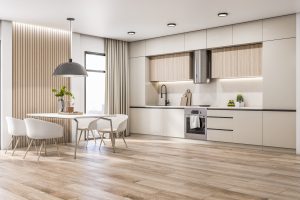
Beyond its cost-effectiveness, vinyl flooring offers unmatched aesthetic versatility, making it a top choice for those seeking style without compromising functionality. The dynamic range of colour options available today allows you to tailor your flooring to any design trend, whether you’re aiming for a sleek contemporary look or a rustic, vintage vibe.
Vinyl’s advanced manufacturing techniques have elevated its appearance to mimic materials like hardwood, stone, and ceramic tiles with striking realism.
Consider how vinyl flooring aligns with current design trends:
– Colour Options: From neutral palettes to bold hues, vinyl’s expansive colour spectrum lets you customise your space with precision.
– Pattern Diversity: Whether you’re looking for classic herringbone, modern geometric patterns, or even intricate mosaic designs, vinyl can achieve it effortlessly.
– Texture Variety: With options that replicate the tactile feel of wood grain or polished stone, the texture of vinyl can enhance your room’s ambiance.
The aesthetic flexibility of vinyl flooring doesn’t end at appearance. Its ability to integrate seamlessly with various interior styles guarantees that it complements your existing décor while allowing for future transformations.
When you choose vinyl, you’re not merely selecting a floor—you’re designing a cohesive, stylish environment.
Comfort and Safety
When it comes to comfort and safety, vinyl flooring excels with its resilient surface and built-in cushioning. You’ll find that its layered construction, often comprising a foam or felt backing, provides a softer underfoot experience, which is particularly beneficial in residential settings where prolonged standing occurs.
This attribute not only enhances comfort but also contributes to slip resistance by offering more traction compared to harder surfaces like tile or hardwood.
In addition, vinyl’s inherent thermal insulation properties guarantee a consistent and comfortable temperature throughout the year. This is especially advantageous in cooler climates where cold flooring can lead to discomfort.
Vinyl’s insulating capabilities help maintain a warm and inviting environment, reducing the need for additional heating solutions.
From a safety standpoint, the slip resistance of vinyl flooring is a critical feature. Many vinyl products come with textured surfaces or are treated with a slip-resistant top layer, reducing the likelihood of accidents in high-traffic areas or wet environments like kitchens and bathrooms.
Furthermore, vinyl’s cushioned nature can also minimise the impact of falls, offering an added layer of protection, particularly for households with children or elderly individuals.
Prioritising comfort and safety doesn’t mean compromising on durability or style with vinyl flooring.
Quick and Simple Installation
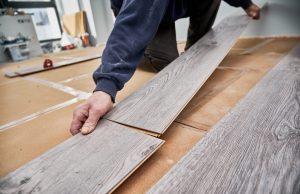
While vinyl flooring guarantees comfort and safety, it also offers an installation process that professionals and DIY enthusiasts find remarkably straightforward. You’ll appreciate how quickly and easily you can transform a space without sacrificing quality.
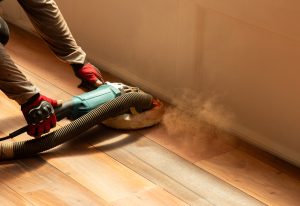
Success hinges on meticulous subfloor preparation, guaranteeing a smooth, clean surface that enhances adhesion and longevity. This step eliminates imperfections and provides an even base, critical for preventing future issues like warping or bubbling.
Before you plunge into the task, gather essential installation tools to streamline the process. A tape measure, utility knife, and straight edge will suffice for precision cuts, while a rubber mallet or roller ensures each piece adheres firmly.
The simplicity of a click-lock or peel-and-stick system means you won’t need specialised skills or equipment, making it accessible for any skill level.
– Versatility: Vinyl can be installed over most existing floors, minimising prep work.
– Efficiency: Reduced installation time means less disruption to your space.
– Adaptability: Suitable for a variety of environments, from kitchens to basements.
Eco-Friendly Options
In today’s market, a multitude of eco-friendly vinyl flooring options are available, catering to consumers’ increasing demand for sustainable choices without compromising on durability or aesthetic appeal. You can select from products that incorporate sustainable materials, guaranteeing a reduced environmental impact.
Manufacturers are increasingly incorporating biobased plasticizers, derived from renewable resources, to enhance the eco-friendliness of their vinyl offerings. These innovations not only reduce reliance on petrochemicals but also guarantee that the flooring maintains its structural integrity and visual allure.
Recycling processes play an essential role in the eco-friendly nature of modern vinyl flooring. Through advanced recycling technologies, post-consumer and post-industrial vinyl waste is transformed into new flooring products. This closed-loop system minimises waste and reduces the need for virgin materials, effectively contributing to a more sustainable lifecycle.
Additionally, some manufacturers have implemented take-back programs, allowing you to return old flooring for recycling, further supporting environmental stewardship.
When considering vinyl flooring, you should explore products certified by reputable environmental standards, such as FloorScore or GreenGuard, which attest to low VOC emissions and sustainable production practices.
Noise Reduction
Noise reduction is a critical consideration in the domain of vinyl flooring, especially for residential spaces and commercial environments where sound control enhances comfort and functionality.
When selecting vinyl flooring, sound absorption and acoustic insulation are paramount. Vinyl inherently possesses sound-dampening properties, making it an ideal choice for high-traffic areas. Its multi-layered structure efficiently absorbs impact noise, reducing both airborne and impact sound transmission.
To maximise noise reduction, consider:
– Underlayment: Integrate high-performance underlayments designed for additional acoustic insulation. These materials further diminish sound transfer between floors.
– Thickness: Opt for thicker vinyl planks or tiles, as they typically offer superior sound absorption characteristics, leading to quieter environments.
– Installation method: Utilise floating installation techniques, which can enhance sound insulation by introducing an additional layer that interrupts sound pathways.
Incorporating these strategies not only enhances the auditory comfort of a space but also contributes to energy efficiency by providing thermal insulation.
Vinyl flooring’s versatility allows you to achieve a balance of aesthetic appeal and functional sound control. By understanding the technical aspects of sound absorption and acoustic insulation, you can make informed decisions to optimise the acoustic performance of your flooring solutions.
Frequently Asked Questions
Can Vinyl Flooring Be Used in Commercial Spaces With Heavy Foot Traffic?
You can confidently install vinyl flooring in commercial spaces with heavy foot traffic. Conduct a durability assessment to guarantee it’s suitable. Its low maintenance requirements and resilience make it an ideal choice, minimising operational disruptions and upkeep costs.
How Does Vinyl Flooring Perform in Extreme Temperature Conditions?
When considering extreme temperature conditions, you’ll notice vinyl flooring’s thermal expansion can cause slight movement. However, its superior insulation properties guarantee minimal heat transfer, maintaining comfort. Proper installation and acclimation mitigate potential issues effectively in fluctuating environments.
Is Vinyl Flooring Suitable for Homes With Pets?
Vinyl flooring excels in pet-friendly features and durability, essential for households with furry companions. Its scratch resistance contrasts with traditional wood’s vulnerability. For longevity, implement maintenance tips like regular cleaning and using pet nails caps to minimise damage.
What Are the Options for Repairing Damaged Vinyl Flooring?
For damaged vinyl flooring, you’ve got patching techniques like adhesive patches or seam sealer. Guarantee long-term durability by matching patterns and using heat welding. These methods maintain aesthetics and performance, guaranteeing your floor’s longevity and seamless appearance.
Can Vinyl Flooring Be Installed Over Existing Floors Without Removal?
You’ve got a seamless solution with vinyl flooring installation. It’s compatible with most existing floors, given proper subfloor conditions. Ascertain the surface is level and clean for ideal adherence, preventing telegraphing or uneven wear in your final result.
Conclusion
You’ve explored the myriad virtues of vinyl flooring, and it’s clear that this resilient surface offers a harmonious blend of functionality and style. With its robust wear layer, moisture resilience, and low upkeep, it’s a discerning choice for savvy homeowners. The cost-effectiveness and design diversity cater to both aesthetic and practical sensibilities. Installation is a breeze, and eco-friendly options abound. Vinyl flooring provides a quiet elegance that whispers sophistication beneath your feet.