
When you’re considering laminate flooring for your kitchen or bathroom, you might wonder about its durability in these high-traffic, moisture-prone areas. Laminate flooring boasts a protective wear layer that can resist scratches and dents from daily activities. However, its ability to withstand water exposure is a different story, requiring prompt attention to spills and the use of moisture barriers. Regular maintenance, like sweeping and damp mopping, is essential to keeping it in good shape. But is this enough to make laminate a truly viable option for your home? Let’s explore the details.
Key Takeaways
– Laminate flooring with high-quality underlayment and sealants offers good moisture resistance, crucial for kitchens and bathrooms.
– Scratch-resistant and impact-durable wear layers in laminate flooring handle frequent foot traffic and daily activities.
– Regular maintenance, including prompt spill management and routine cleaning, extends the durability of laminate flooring.
– Economical initial costs and low maintenance needs make laminate flooring a cost-effective option for high-traffic areas.
– Diverse design options and realistic textures enable laminate flooring to complement various kitchen and bathroom aesthetics.
Water Resistance
When evaluating the water resistance of laminate flooring for kitchens and bathrooms, it’s vital to understand that while these floors can handle minor spills, they aren’t entirely impervious to water damage.
Moisture barriers play a significant role in enhancing the water resistance of laminate flooring. By installing a high-quality underlayment with moisture-blocking properties, you can greatly reduce the risk of water seeping through the seams and causing damage to the subfloor.
Sealing options are another important aspect to take into account. Applying a sealant specifically designed for laminate flooring can provide an additional layer of protection against moisture. This process involves sealing the edges and joints to prevent water from penetrating the core of the laminate planks. It’s important to verify that the sealant used is compatible with your specific flooring type to avoid any adverse reactions that could weaken the structure.
In high-moisture areas like kitchens and bathrooms, combining moisture barriers with effective sealing options can extend the lifespan of your laminate flooring.
However, regular maintenance and prompt attention to spills are vital to maintaining its water resistance and overall durability.
Wear and Tear
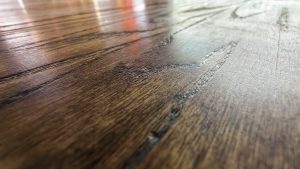
Over time, laminate flooring in kitchens and bathrooms can experience significant wear and tear due to frequent foot traffic and the presence of abrasive particles. This wear and tear can lead to visible scratches, dents, and general degradation of the flooring surface.
However, high-quality laminate flooring is designed with scratch resistance and impact durability to combat these issues effectively.
Laminate flooring typically includes a wear layer that helps protect against scratches and minor impacts. This layer is essential in maintaining the flooring’s appearance and functionality over time.
Consider the following benefits of laminate flooring in high-traffic areas:
– Scratch Resistance: The top layer is engineered to resist scratches from daily activities, such as moving chairs and dropping utensils.
– Impact Durability: Laminate flooring can withstand the impact of heavy objects, reducing the likelihood of dents and chips.
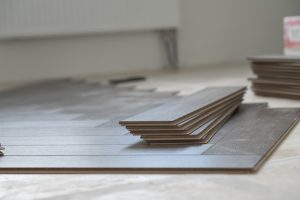
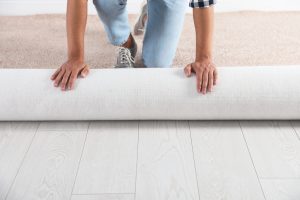
– Ease of Installation: It’s designed for straightforward installation, which can be a cost-effective and time-efficient solution for busy households.
– Variety of Styles: You can choose from a wide range of styles and finishes, ensuring that the flooring complements your kitchen or bathroom decor.
Maintenance Needs
To maintain the durability and appearance of laminate flooring in kitchens and bathrooms, regular cleaning and proper care are essential.
Start by establishing a maintenance schedule that includes both daily and weekly tasks. Daily, you should sweep or vacuum the floor to remove dirt and debris that could cause scratches. Use a vacuum with a soft-bristle brush attachment to avoid any potential damage.
When it comes to cleaning techniques, avoid using excessive water, as laminate flooring is susceptible to moisture damage. Instead, employ a damp microfiber mop with a laminate-specific cleaner. Make sure to wring out the mop thoroughly before use. For tougher stains, use a cloth dampened with a mild detergent, but avoid abrasive scrubbing pads that can scratch the surface.
Weekly, inspect the seams and edges for any signs of water infiltration. Promptly address any issues to prevent long-term damage. Additionally, consider placing mats at entry points to reduce the amount of dirt and moisture tracked onto the floor.
Cost-Effectiveness
Evaluating the cost-effectiveness of laminate flooring in kitchens and bathrooms requires a detailed analysis of both initial installation expenses and long-term maintenance savings.
When you’re considering budget considerations, laminate flooring often emerges as an economically viable choice. Here’s why:
– Initial Costs: Laminate flooring is generally less expensive to purchase and install compared to other flooring options like hardwood or ceramic tiles. You’ll find that the price per square foot can be quite affordable.
– Installation: The installation process for laminate flooring is straightforward, often allowing for quicker and cheaper labour costs. Some homeowners even opt for DIY installation, further reducing expenses.
– Durability: Laminate flooring is designed to withstand high-traffic areas and is resistant to scratches and stains. This reduces the frequency and cost of repairs.
– Maintenance: The low maintenance requirements of laminate flooring translate to long-term savings. Regular sweeping and occasional mopping are typically all that’s needed to keep the floor looking new.
Design Versatility
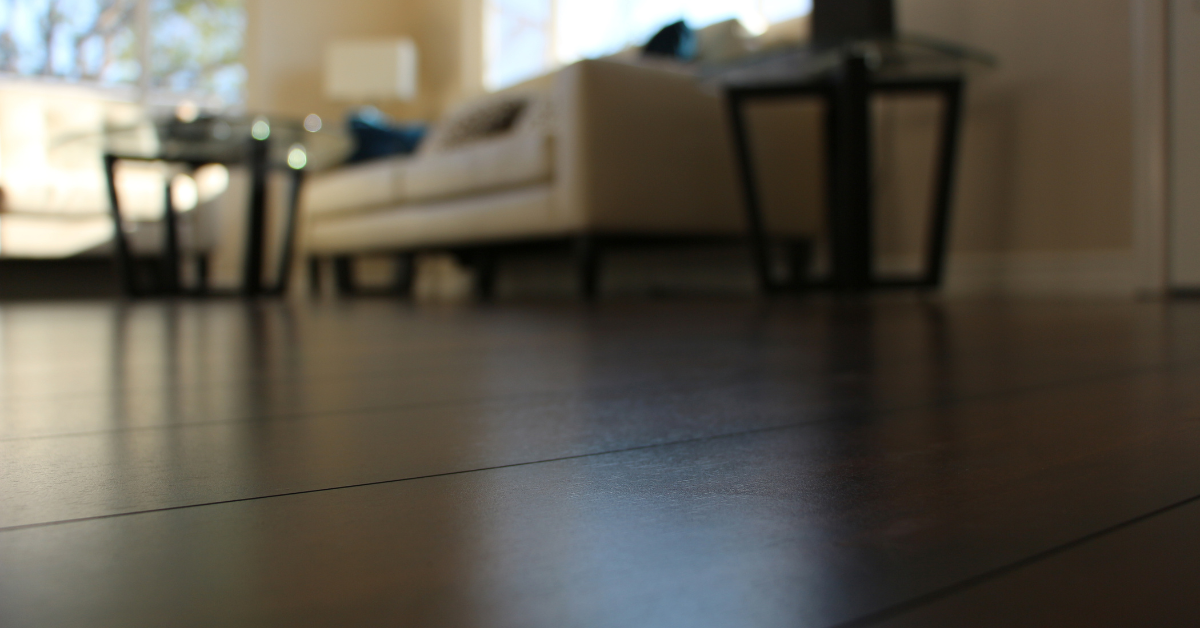
You’ll find that laminate flooring offers remarkable design versatility, making it an ideal choice for both kitchens and bathrooms. This versatility stems from the extensive range of colour options available. Whether you prefer the look of rich mahogany, elegant maple, or even a contemporary grey, laminate flooring can mimic almost any wood species.
Additionally, you’re not limited to wood; laminate can replicate stone, ceramic, and other materials, providing a wealth of design possibilities.
Moreover, laminate flooring excels in texture styles, adding another layer of customisation. Advanced manufacturing techniques allow for textures that not only look but also feel like real wood or stone.
Embossed or hand-scraped textures are popular choices, offering an authentic, tactile experience. These textures enhance both the aesthetic and functional aspects, making your kitchen or bathroom floor slip-resistant and more comfortable underfoot.
Frequently Asked Questions
How Does Laminate Flooring Affect Indoor Air Quality?
Laminate flooring can affect indoor air quality due to formaldehyde emissions from the adhesives used. However, its moisture resistance helps prevent mould growth, which can also impact air quality. Choose low-emission products for better results.
Can Laminate Flooring Be Installed Over Radiant Heating Systems?
Imagine your cosy home with evenly distributed warmth. Yes, you can install laminate flooring over radiant heating systems. Key installation considerations include proper underlayment and ensuring efficient heat distribution for ideal performance and comfort.
Is Laminate Flooring Eco-Friendly and Made From Sustainable Materials?
When considering if laminate flooring is eco-friendly, you’ll find that its sustainable sourcing and low environmental impact make it a green choice. Manufacturers often use recycled materials and adhere to eco-friendly production standards.
How Does Laminate Flooring Compare to Vinyl Flooring in Terms of Comfort?
Laminate flooring offers 30% more cushioning than vinyl, enhancing comfort underfoot. However, you’ll find vinyl’s flexibility allows it to better adapt to subfloor imperfections, providing a smoother walking surface. Choose based on your specific needs and preferences.
Can Laminate Flooring Be Easily Repaired if Damaged?
Yes, you can repair laminate flooring easily with specific repair techniques. Damage prevention is critical; use protective pads and avoid excessive moisture. For minor scratches, use a repair kit. For larger damage, replace the affected planks.
Conclusion
To summarise, laminate flooring can be a great choice for kitchens and bathrooms if you manage water exposure promptly.
Did you know that high-quality laminate can withstand over 1,000 pounds per square inch of pressure?
Regular maintenance like sweeping and damp mopping guarantees its durability.
Laminate’s cost-effectiveness, paired with its design versatility, offers a stylish yet practical solution for high-traffic areas.
Just remember to invest in a good underlayment with moisture barriers.