
You’ve probably wondered if laminate flooring can truly replicate the rich, authentic look of real wood. With advancements in digital printing and embossing techniques, today’s laminate options have become impressively realistic. You might be surprised to learn how high-resolution imaging and engineered textures can closely mimic the intricate grain patterns and feel of various wood species. But how does it stack up regarding durability, cost, and maintenance compared to hardwood? Let’s explore the key factors that might make laminate flooring a strong contender for your home renovation project.
Key Takeaways
– Laminate flooring uses high-definition photographic layers to replicate the intricate details and colour variations of real wood.
– Advanced embossing techniques create textures that mimic the tactile feel of genuine wood grain.
– Digital printing technology produces high-resolution images that ensure unique and realistic wood grain patterns.
– ‘Embossed in register’ aligns embossed textures with printed designs for a highly authentic look and feel.
– Modern laminate flooring captures the organic inconsistencies and natural appearance of various wood species.
Understanding Laminate Flooring
Why is laminate flooring an increasingly popular choice for homeowners seeking both aesthetics and durability? You’ll find that laminate benefits from being both visually appealing and highly resilient.
This type of flooring is designed to mimic the look of real wood, offering a wide range of styles and finishes that can easily align with current flooring trends. The upper layer of laminate flooring, called the wear layer, is a tough, transparent coating that resists scratches, stains, and moisture. This makes it ideal for high-traffic areas and households with pets or children.
You don’t have to worry about the wear and tear that typically affects natural wood. Laminate flooring is constructed from multiple layers, including a high-density fiberboard core that provides stability and strength. Below that, a backing layer guarantees additional moisture resistance, preventing warping and other damage. The aesthetic appeal is maintained with a high-definition photographic layer that gives a realistic wood-like appearance.
With laminate flooring, you also get straightforward installation. Many products feature click-and-lock systems, allowing you to install them without adhesives or nails. The combination of these laminate benefits and adapting flooring trends makes it a highly appealing option for modern homes.
Advances in Laminate Technology
Recent advances in laminate technology have greatly enhanced the realism, durability, and ease of installation, making it an even more attractive option for homeowners.
One of the most significant breakthroughs is digital printing. This technology allows manufacturers to create highly detailed and realistic wood grain patterns that closely mimic the appearance of genuine hardwood. High-resolution images are printed directly onto the laminate surface, capturing the intricate details and variations found in natural wood.
In addition to digital printing, surface treatments have also evolved to improve the tactile experience of laminate flooring. Advanced embossing techniques now replicate the texture of real wood, including knots, grains, and even saw marks. These surface treatments provide not only visual authenticity but also a more convincing touch sensation.
Durability has been another area of improvement. Contemporary laminate flooring boasts enhanced wear layers, making it more resistant to scratches, dents, and moisture. This makes laminate a practical choice for high-traffic areas and households with pets or children.
Installation has also become more user-friendly with innovations like click-lock systems, which allow for quicker, glue-free assembly.
Altogether, these advancements make laminate a compelling alternative to traditional hardwood.
Visual Comparison to Hardwood
When comparing laminate flooring to traditional hardwood, you’ll find that modern laminate captures the intricate details and rich textures of wood so convincingly that it’s often challenging to distinguish between the two.
Manufacturers have perfected the art of replicating the nuanced colour variations found in natural wood. These variations include the subtle shifts from light to dark shades, creating a depth that mimics the organic inconsistencies in genuine hardwood.
In addition to colour variations, the design patterns on laminate flooring have become highly sophisticated. High-resolution imaging techniques are employed to replicate the unique grain patterns of different wood species, such as oak, maple, and walnut. Each plank can feature distinct knots, whorls, and striations that contribute to a realistic, natural appearance.
The precision in the design patterns guarantees that even under close inspection, the laminate can maintain an authentic wood look. Advanced printing technology allows for a wide array of styles, enabling you to choose from rustic, distressed finishes to sleek, contemporary looks.
This versatility makes laminate an ideal choice for achieving a high-end, wood-like aesthetic without the complexities and costs associated with natural hardwood.
Texture and Feel
Often, laminate flooring’s texture and feel are engineered to closely replicate the tactile experience of walking on natural wood, thanks to advancements in embossing techniques and surface finishes.
When you walk on laminate flooring, you’re likely to notice the intricate surface texture that mimics the grain patterns and knots found in real wood. This is achieved through a process called ’embossed in register’ (EIR), where the embossing aligns precisely with the printed design on the laminate layer.
The tactile experience is further enhanced by the use of high-quality surface finishes. These finishes not only protect the laminate but also provide a realistic feel underfoot. For instance, some laminates come with a hand-scraped finish, imitating the irregularities and unique touch of handcrafted wood planks.
Additionally, textures like wire-brush and distressed can add to the authenticity, giving you a floor that doesn’t just look like wood but feels like it too.
With these advancements, you don’t have to sacrifice the sensation of walking on wood when opting for laminate. The precise surface texture and carefully crafted finishes guarantee that you can enjoy both the look and feel of natural wood, making laminate flooring an impressive alternative.
Durability and Longevity
In addition to its impressive texture and feel, laminate flooring is renowned for its exceptional durability and longevity, making it an ideal choice for high-traffic areas in your home.
One of the standout features of laminate flooring is its wear resistance. The top layer, known as the wear layer, is designed to withstand daily use and abuse, protecting your floor from scratches, dents, and stains. This makes it perfect for homes with pets, children, or heavy foot traffic.
Here are some key points to evaluate regarding its durability and lifespan expectations:
– Scratch-Resistant Surface: The wear layer is engineered to resist scratches from pets and furniture, ensuring your floor looks new for years.
– Stain Resistance: Laminate flooring is highly resistant to stains, making it easy to clean and maintain.
– UV Protection: Many laminate floors come with UV-resistant coatings, preventing fading from sunlight exposure.
– Impact Resistance: The dense core layer provides excellent resilience against heavy objects being dropped.
– Moisture Resistance: Some laminate options feature water-resistant properties, ideal for kitchens and bathrooms.
Cost Comparison
Comparing the cost of laminate flooring to traditional hardwood, you’ll find that laminate offers a more budget-friendly option without sacrificing the aesthetic appeal of natural wood.
When you look at price differences, laminate flooring typically ranges from $1 to $4 per square foot. In contrast, traditional hardwood can set you back anywhere from $5 to $15 per square foot, depending on the type of wood and finish. This significant gap in cost makes laminate an attractive choice, especially for those with tight budget considerations.
Laminate flooring achieves its cost-effectiveness through advanced manufacturing processes that replicate the look of real wood using high-resolution images and durable materials. This means you can enjoy a variety of styles that mimic oak, maple, or even exotic woods without the hefty price tag.
Additionally, laminate’s resistance to scratches and moisture adds long-term value, reducing the likelihood of costly repairs or replacements.
For budget-conscious homeowners, the lower upfront costs and minimal maintenance expenses of laminate flooring make it an excellent alternative to hardwood. It provides an affordable way to achieve a high-end look, allowing you to allocate your budget to other important home improvement projects.
Installation Process
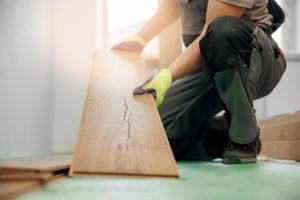
Installing laminate flooring is a straightforward process that can be completed with a few essential tools and some basic DIY skills. Before you start, verify your subfloor is clean, dry, and level. One of the key installation tips is to let the laminate acclimate to your room’s temperature for 48 hours to prevent expansion issues later.
Here’s what you’ll need:
– Measuring Tape: Accurate measurements are vital.
– Utility Knife: For precise cuts on underlayment.
– Tapping Block and Pull Bar: To snugly fit the planks without damaging them.
– Rubber Mallet: Guarantees tight joints between planks.
– Spacers: Maintain the necessary expansion gap around the room’s perimeter.
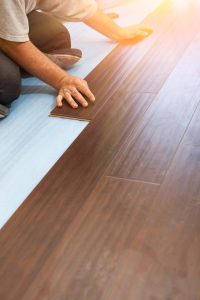
Begin by laying out the underlayment, which acts as a moisture barrier and provides cushioning.
Start placing the laminate planks from one corner, making sure you stagger the seams like a brick pattern to add strength and visual appeal. Use spacers to keep a consistent gap between the planks and the wall, allowing room for expansion.
As you reach the edges, cut the planks to fit, using your tapping block and pull bar to secure the pieces together snugly.
Maintenance Requirements
Regular maintenance of laminate flooring is essential to preserving its appearance and longevity. To keep your laminate looking like real wood, you’ll want to follow a few key cleaning tips.
First, use a microfiber mop or cloth to remove dust and debris daily. Unlike traditional mops, microfiber options won’t scratch the surface. Avoid excessive water, as laminate isn’t waterproof; instead, use a damp cloth for spot cleaning.
Applying protective coatings can further safeguard your flooring. These coatings create a barrier that resists stains and spills, making routine maintenance easier. It’s important to choose a coating compatible with laminate to guarantee it adheres properly and doesn’t cause damage.
For deeper cleaning, opt for a laminate-specific cleaner. General household cleaners can be too harsh and may strip away the protective layer. Make sure to follow the manufacturer’s instructions to avoid voiding any warranties.
Additionally, place felt pads under furniture legs to prevent scratches and dents. Regularly inspect high-traffic areas for signs of wear and tear, and address them promptly to maintain the floor’s aesthetic appeal.
With these strategies, your laminate flooring can continue to mimic the look of real wood beautifully.
Making Your Decision
After understanding the maintenance requirements, it’s important to take into account several factors to guarantee you choose the right laminate flooring that meets both your aesthetic and practical needs.
You need to evaluate how the flooring will align with your aesthetic preferences and lifestyle considerations. Here’s a detailed guide to help you make an informed decision:
– Durability: Assess the wear and tear your flooring will endure. High-traffic areas require more durable laminate with a higher AC rating.
– Aesthetic Match: Think about the overall design of your home. Choose styles and colours that complement your existing decor.
– Water Resistance: Reflect on how often your floors might get wet. For areas like kitchens or bathrooms, opt for water-resistant laminate.
– Installation: Evaluate whether you’ll do a DIY installation or hire professionals. Some laminate options are easier to install than others.
– Budget: Factor in the cost, not just for the flooring itself but also for underlayment, installation, and any additional materials.
Frequently Asked Questions
Can Laminate Flooring Be Used in Bathrooms or Other High-Moisture Areas?
You can use laminate flooring in bathrooms if you choose one with high moisture resistance. For installation tips, verify all seams are tightly sealed and use a vapour barrier to prevent water damage.
How Environmentally Friendly Is Laminate Flooring Compared to Real Wood?
You should consider that laminate flooring’s sustainability concerns mainly stem from its manufacturing processes. While it’s often made from recycled materials, it also involves high energy consumption and synthetic resins, making it less eco-friendly than real wood.
Is Laminate Flooring Safe for Pets and Children?
Imagine a fortress protecting your loved ones; that’s laminate flooring for pets and children. Durability concerns are minimal with proper upkeep. Regular sweeping and occasional damp mopping are key maintenance tips to guarantee safety and longevity.
Can Laminate Flooring Be Refinished Like Real Wood?
You can’t refinish laminate flooring like real wood because it lacks the solid wood layer. Despite its laminate durability, refinishing options are limited to replacing damaged planks rather than sanding or staining the surface.
Does Laminate Flooring Add Value to My Home?
Think laminate flooring will skyrocket your home resale? Buyers might laugh harder than at a comedy show. It’s a decent flooring investment, but it’s not the golden ticket. Real wood usually reigns supreme in value.
Conclusion
Imagine walking barefoot on a floor that feels like strolling through a forest, each step revealing the intricate grain patterns and rich textures of wood.
Laminate flooring captures this essence with advanced technology, offering durability and low maintenance.
It’s not just a budget-friendly option; it’s a practical, beautiful choice that mirrors the elegance of hardwood.
With laminate, you get the look and feel of real wood without the hefty price tag.