
In the age of digital wonders, you might find it curious that we’re discussing something as seemingly timeless as wood floors. Yet, here you are, pondering how long those planks underfoot should last.
You’ve probably heard tales of century-old homes with original flooring still in pristine condition, but let’s be realistic—not all wood floors are created equal. From the type of wood to the wear and tear of daily life, numerous factors play into their longevity.
So, if you’re keen to ensure your floors stand the test of time, stick around. There’s more to this story that might just save you from premature renovations.
Key Takeaways
– Wood floors can last several decades with proper maintenance and care.
– The durability of wood floors depends on the type of wood and traffic levels.
– Professional installation and climate acclimatisation are crucial for longevity.
– Regular cleaning, immediate spill management, and protective coatings extend wood floor life.
Types of Wood Flooring
When exploring wood flooring options, it’s crucial to understand the variety available, each with its own set of benefits and considerations. The choice of wood species plays a significant role in determining the look, feel, and longevity of your floors.
Hardwoods, such as oak, maple, and cherry, are renowned for their durability and resistance to wear. These species can withstand the rigours of daily life, making them ideal for high-traffic areas. On the other hand, softer woods like pine offer a rustic charm but may be more prone to dents and scratches.
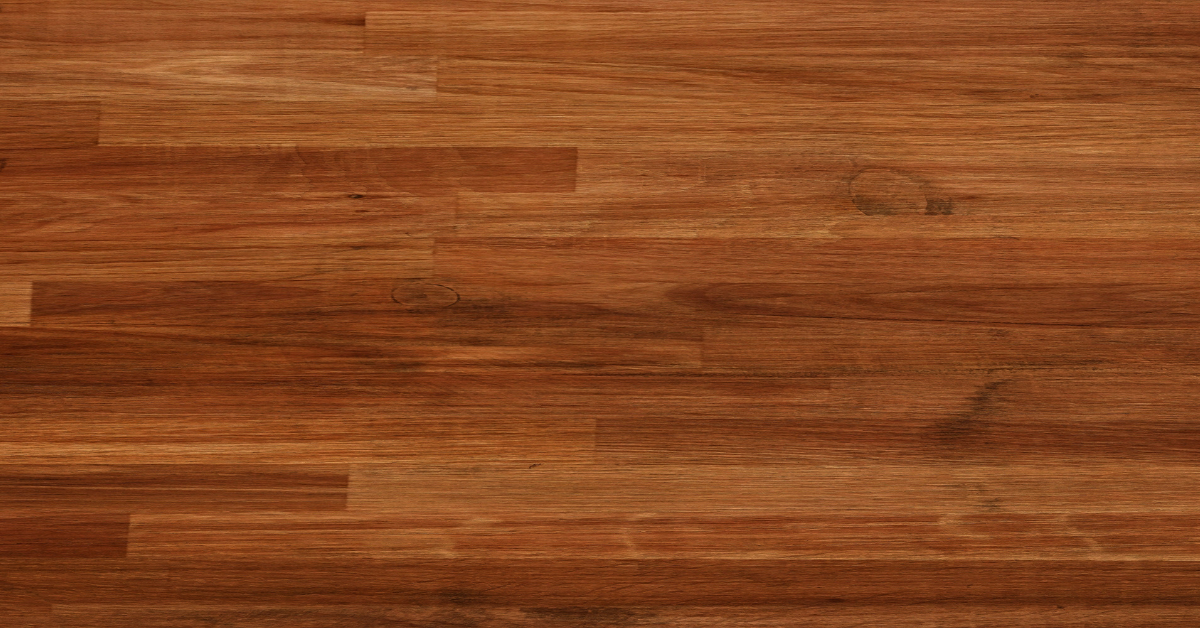
Colour variety is another critical aspect to consider. Wood flooring can range from light, airy hues to deep, rich tones, allowing you to customise your space’s ambiance. Lighter woods can make a room feel more spacious and are excellent at hiding dust, while darker woods add warmth and sophistication but may require more upkeep to look their best.
Factors Influencing Durability
Several factors significantly influence the durability and lifespan of your wood flooring, including traffic levels, maintenance routines, and environmental conditions. When you consider foot traffic, it’s clear that areas with high activity wear down faster than less trafficked parts of your home. This wear and tear can manifest as scratches, dents, and even discoloration over time. Therefore, understanding the flow of movement in your space helps you predict where the most durable options are needed.
Moreover, the climate impact can’t be overlooked. Wood is a natural material that reacts to its environment. High humidity levels can cause wood to expand, while dry conditions may lead to contraction and cracking. This means that in regions with significant seasonal changes, your floors might undergo stress, affecting their overall longevity. To combat this, controlling your home’s climate and ensuring proper acclimatisation of the wood before installation are crucial steps.
Lastly, your maintenance routines play a pivotal role. Regular cleaning using the right products, immediate attention to spills, and the occasional refinishing job can preserve the beauty and integrity of your wood floors for decades. Remember, the longevity of your flooring isn’t just about the wood’s quality but also how well you care for it.
Proper Installation Techniques
To ensure your wood floors reach their maximum lifespan, it’s essential to apply proper installation techniques from the outset. You’ll need to factor in both installation costs and climate considerations to make sure your investment stands the test of time.
Firstly, don’t skimp on professional installation costs. While it might be tempting to cut corners, improperly installed floors can lead to significant issues down the line, from gaps and buckling to more severe structural damage. An expert will ensure that your floors are laid correctly, taking into account the unique conditions of your home.
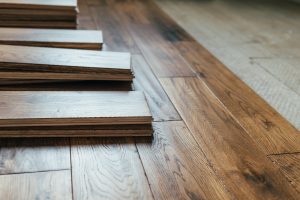
Climate considerations are also crucial. Wood expands and contracts with changes in humidity and temperature, so it’s vital to acclimate your flooring to your home’s environment before installation. This process involves storing the wood in the room where it will be installed for a period, typically ranging from a few days to a couple of weeks. Skipping this step can lead to warping or gaps between planks as the wood adjusts post-installation.
Maintenance and Care Tips
Maintaining your wood floors requires a consistent care routine to prevent damage and ensure they remain beautiful for years to come. A solid maintenance plan includes understanding the right cleaning frequency and applying protective coatings to guard the wood against wear and tear. Here are four crucial tips to help you care for your wood floors effectively:
- Determine the Right Cleaning Frequency: It’s essential to clean your wood floors regularly, but overdoing it can cause damage. Aim for a gentle cleaning once a week and a deeper clean once a month to remove grime and dirt without harming the wood.
- Use the Correct Cleaning Products: Not all cleaners are suitable for wood floors. Choose products specifically designed for wood to avoid stripping the finish or causing damage.
- Apply Protective Coatings: Every few years, consider applying a new coat of finish to your wood floors. This acts as a barrier against scratches, dents, and moisture, extending the life of your floors.
- Avoid Water and Moisture: Water is wood’s worst enemy. Clean up spills immediately and use mats in high-moisture areas like kitchens and bathrooms to prevent water damage.
Signs of Aging and Damage
As wood floors age, you’ll start to notice signs of wear and tear that signal the need for attention or repair. One of the most obvious indicators is colour fading. Over time, direct sunlight can cause the rich hues of your wood floors to lighten, altering their original beauty and character. This fading can be uneven, with areas under rugs or furniture retaining their colour, leading to a patchy appearance. To mitigate this, you might consider rearranging your furniture periodically or using UV-resistant finishes.
Pest infestations are another critical sign of ageing and damage. Termites and wood borers can compromise the structural integrity of your floors from the inside out, often without noticeable signs until significant damage has occurred. You may hear hollow sounds when you walk across the floor or notice powdery residue along the edges. At the first sign of pest damage, it’s crucial to call in professionals to assess and treat the problem to prevent further destruction.
Understanding these signs of ageing and damage, such as colour fading and pest infestations, empowers you to take timely action in maintaining the longevity and beauty of your wood floors.
Frequently Asked Questions
Can the Climate or Region I Live in Affect the Lifespan of My Wood Floors?
Yes, the climate and region you live in can significantly impact your wood floors’ lifespan. High humidity levels and geographic location affect wood expansion and contraction, potentially shortening their durability and appearance over time.
How Does the Choice of Wood Finish Impact the Longevity of Wood Floors?
Just as a sturdy shield protects a knight, your wood floor’s longevity greatly depends on its finish. Finish types and application methods are crucial—selecting wisely can significantly enhance durability and appearance over time.
Are There Any Innovative Treatments or Technologies Available to Extend the Lifespan of Wood Floors?
Yes, innovative treatments like floor recoating and moisture barriers can significantly extend your wood floors’ lifespan. These technologies protect against wear and moisture, ensuring your floors remain durable and visually appealing for years to come.
How Do Lifestyle Factors, Such as Having Pets or Children, Influence the Durability and Lifespan of Wood Floors?
Your lifestyle, including pets and children, heavily impacts your wood floors’ durability. Regular cleaning and strategic furniture placement reduce wear. Without careful attention, scratches and damage can shorten your floors’ lifespan significantly.
Can the Original Quality or Source of the Wood Flooring Material Affect Its Expected Lifespan, Even With Optimal Care and Maintenance?
Absolutely, the original quality and source of your wood flooring can shape its lifespan. Proper installation techniques and grain orientation play key roles. Even with diligent care, these factors heavily influence durability and longevity.
Conclusion
In conclusion, treating your wood floors right is like nurturing a precious garden; it flourishes under care.
With the right installation, diligent maintenance, and an eye for early damage signs, your wood floors can surpass the standard decades of life.
Remember, the longevity of your floors isn’t just about the wood’s resilience but also about the love and attention you invest.
So, cherish them, and they’ll reward you with enduring beauty and robustness, becoming the foundation of countless memories in your home.