
Vinyl flooring has become increasingly popular in recent years due to its durability, affordability, and versatility. As more homeowners and businesses opt for this type of flooring, a variety of questions regarding vinyl flooring installations have arisen. In this comprehensive guide, we will address some of the most common questions to help you make informed decisions about your vinyl flooring project.
1. Types of Vinyl Flooring
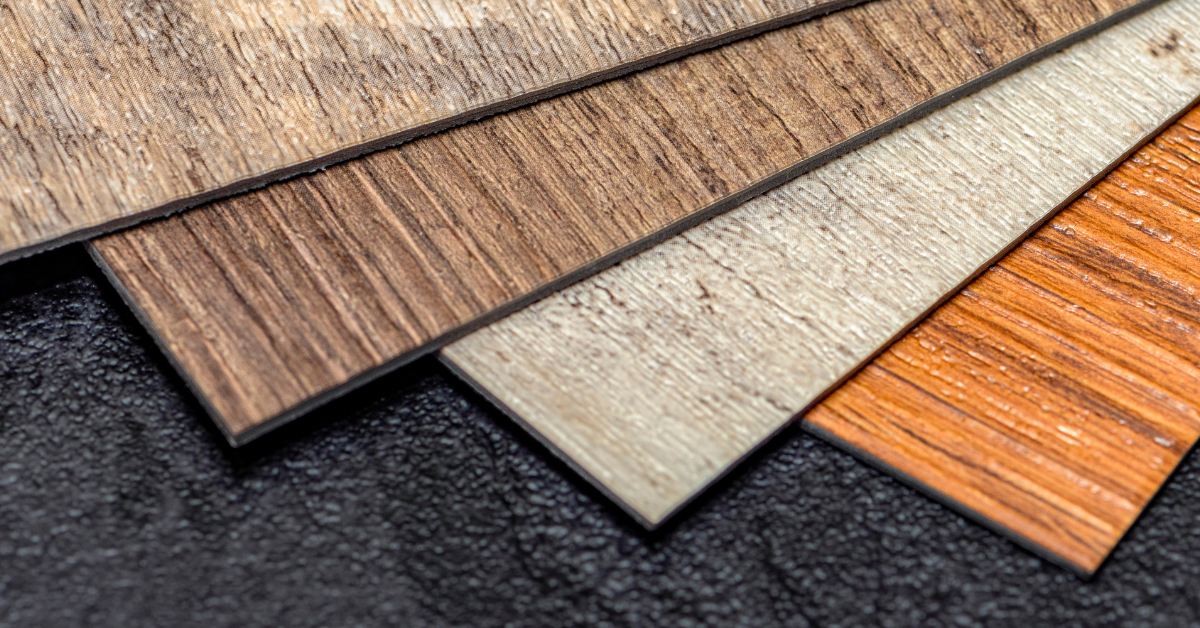
There are three main types of vinyl flooring available on the market:
- Vinyl Sheet: Available in large rolls, it is ideal for large rooms and provides a seamless appearance.
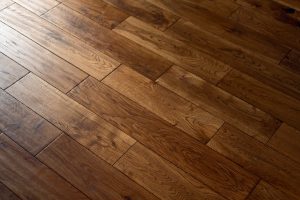
- Vinyl Plank: Designed to mimic the look of hardwood planks, it is perfect for those who want a natural wood appearance without the maintenance.
- Vinyl Tile: Available in various sizes and styles, it offers the look of ceramic or stone tiles without the cost and labor-intensive installation.
2. Benefits of Vinyl Flooring
Vinyl flooring offers several benefits, including:
- Durability: It is resistant to scratches, stains, and dents, making it suitable for high-traffic areas.
- Affordability: Compared to other flooring materials, vinyl is relatively inexpensive.
- Versatility: With a wide range of designs and styles, it can complement any décor.
- Easy Maintenance: Vinyl flooring is easy to clean and requires minimal upkeep.
- Water Resistance: Most types of vinyl flooring are water-resistant, making them suitable for damp environments like kitchens and bathrooms.
3. Longevity of Vinyl Flooring
With proper installation and maintenance, vinyl flooring can last between 10 and 20 years. The lifespan depends on factors such as the quality of the material, the amount of foot traffic, and how well it is maintained.
4. Waterproof vs. Water-Resistant Vinyl Flooring
While many vinyl flooring options are water-resistant, some are specifically designed to be waterproof. Waterproof vinyl flooring has a watertight core and can be installed in areas with high moisture levels, such as bathrooms and basements.
5. Installing Vinyl Flooring Over Existing Floors
In many cases, vinyl flooring can be installed over existing floor coverings, including tile, hardwood, and laminate. However, the subfloor must be clean, level, and free of any damage before installation.
6. Best Underlay for Vinyl Flooring
Vinyl-specific underlay or plywood underlay are the best options for vinyl flooring. These provide a smooth, even surface that prevents imperfections in the subfloor from affecting the appearance and performance of the vinyl.
7. Vinyl Flooring in High Humidity Rooms
Vinyl flooring is suitable for rooms with high humidity levels, such as bathrooms and kitchens, due to its water-resistant properties.
8. Preparing the Subfloor
Proper subfloor preparation is crucial for a successful vinyl flooring installation. The subfloor should be clean, dry, level, and free of any damage or irregularities.
9. Vinyl Flooring and Radiant Heating Systems
Most vinyl flooring options can be installed over radiant heating systems, but it is essential to confirm compatibility with the manufacturer’s guidelines.
10. Tools and Materials for Vinyl Flooring Installation
Some common tools and materials required for vinyl flooring installation include:
- Utility knife
- Straight edge or T-square
- Tape measure
- Spacers
- Adhesive (if applicable)
- Underlay
- Floor roller (for sheet vinyl)
11. Cutting and Trimming Vinyl Flooring
A utility knife and a straight edge are typically used to cut and trim vinyl flooring during installation. Always measure carefully and follow the manufacturer’s guidelines for cutting and trimming.
12. Expansion Gap for Vinyl Flooring
An expansion gap of 1/4 inch to 3/8 inch should be left around the perimeter of the room to allow for expansion and contraction due to temperature changes.
13. Maintaining and Cleaning Vinyl Flooring
Regular sweeping or vacuuming, along with occasional damp mopping using a gentle cleaning solution, is recommended for maintaining and cleaning vinyl flooring. Avoid abrasive cleaners and excessive water, as they can damage the floor.
14. Repairing Damaged Vinyl Flooring
Minor damage to vinyl flooring can sometimes be repaired using a vinyl repair kit. However, in cases of extensive damage, it may be necessary to replace the affected plank or tile.
15. Removing Old Vinyl Flooring
Old vinyl flooring can typically be removed using a scraper, utility knife, and heat gun. Always follow safety precautions and dispose of the old flooring responsibly.
16. Commercial Vinyl Flooring Installations
Vinyl flooring is suitable for commercial installations due to its durability, low maintenance, and wide range of design options.
17. Installing Vinyl Flooring on Stairs
Vinyl flooring can be installed on stairs using stair nosing and adhesive. It is essential to ensure that the stairs are clean, level, and free of any damage before installation.
18. Acclimating Vinyl Flooring
Vinyl flooring should be acclimated to the room’s temperature and humidity levels for at least 48 hours before installation. This helps prevent issues related to expansion and contraction.
19. Cost of Vinyl Flooring
The cost of vinyl flooring varies depending on the type, quality, and design.
20. Recommended Vinyl Flooring Brands
Some reputable vinyl flooring brands include:
- Karndean
- Armstrong Flooring
- Amtico
- Tarkett
- Colonia
By addressing these common questions, you can ensure a successful vinyl flooring installation that meets your needs and expectations. Knowledge is key when it comes to making the right decision for your home or business, so take the time to research and consult with professionals before embarking on your vinyl flooring project.